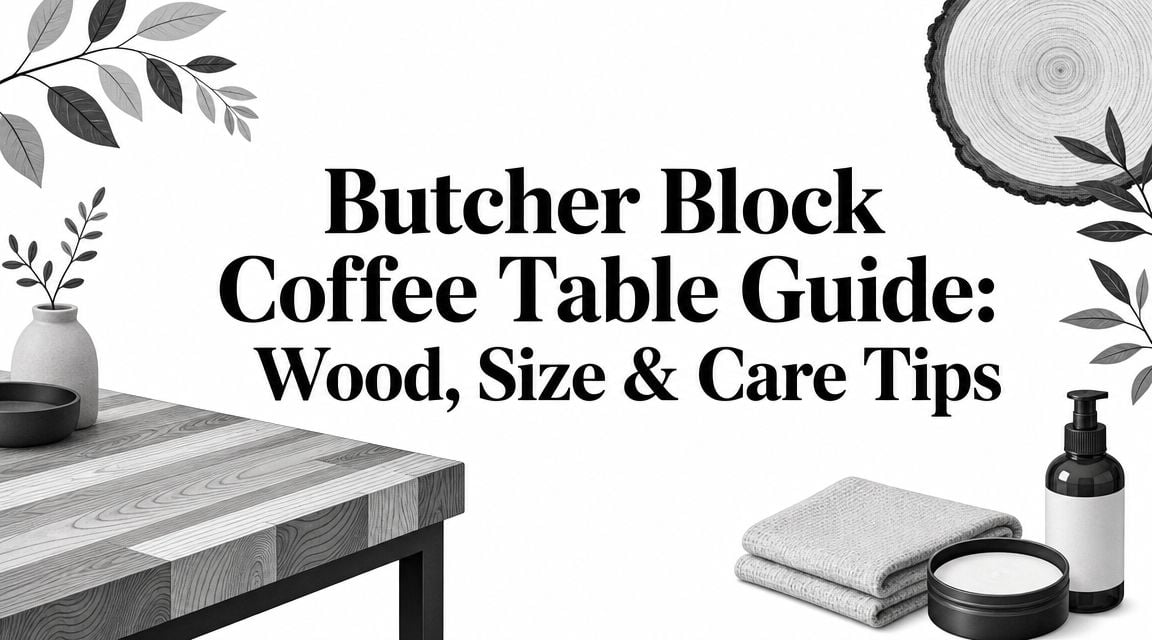
Butcher Block Coffee Table Guide: Wood, Size & Care Tips

A lot of homeowners around Albany, Schenectady, Troy, and Greene County start the same way. They want a coffee table that looks warm and substantial, but they also need it to survive real life. That means mugs set down in a hurry, game-night clutter, remote controls, snack bowls, and the occasional homework spread across the living room.
A butcher block coffee table often lands in that sweet spot. It has the visual weight of solid wood furniture, the everyday usefulness families want, and a style that can lean rustic, industrial, farmhouse, or surprisingly clean and modern. In four-season Upstate New York homes, that balance matters. Furniture has to feel good, work hard, and still look right through winter gatherings, spring mud season, and busy summer weekends.
For readers thinking about the room as a whole, Lewis and Sheron's Atlanta design tips offer a helpful reminder that timeless living rooms are built from durable anchor pieces, layered texture, and sensible scale. That same thinking applies to a butcher block coffee table. It isn't just a surface. It's often the piece that visually grounds the seating area.
Anyone comparing options may also find this helpful guide on styling a coffee table beautifully and simply useful before making a final choice.
Table of Contents
- Your Guide to the Perfect Living Room Centerpiece
- The Art of Butcher Block Construction Explained
- Is a Butcher Block Coffee Table Right for Your Home
- How to Select the Right Butcher Block Table
- Protecting Your Investment with Proper Finishes and Maintenance
- Styling and Customizing Your Table with Tip Top
- Your Local Furniture Destination in the Albany Region
Your Guide to the Perfect Living Room Centerpiece
The appeal of a butcher block coffee table starts with presence. It doesn't look flimsy or temporary. It looks settled, useful, and ready for daily life.
That matters in a living room. Sofas and chairs frame the space, but the coffee table is usually where the room functions. Drinks land there. Books pile there. Guests gather around it. In many Capital Region homes, it's the piece that gets touched more than almost anything else in the room.
Why this style keeps showing up in well-lived homes
A butcher block top gives a room natural texture without feeling precious. The layered wood construction adds character, and the thickness gives the table visual confidence. Even in rooms with upholstery, rugs, and painted walls, the wood tends to make the whole space feel warmer.
It also fits a wide range of decorating styles:
- Farmhouse rooms pair it with slipcovered seating, woven baskets, and soft neutral textiles.
- Industrial spaces often use a thick wood top with a steel base.
- Traditional homes can soften it with classic lamps, books, and upholstered ottomans.
- Modern interiors benefit from the clean geometry and visible grain.
A good coffee table doesn't just fill the center of the room. It gives the room a purpose.
Why shoppers in Upstate New York ask more detailed questions
Homes in Freehold and across the Albany region often deal with changing indoor conditions through the year. Heat runs in winter. Windows open in summer. People want solid wood, but they also want to know how that wood is built and whether it will stay dependable over time.
That is exactly where butcher block earns its reputation. The construction method matters as much as the wood species. Once buyers understand how the top is made, the category gets much easier to shop.
The Art of Butcher Block Construction Explained
What butcher block actually means
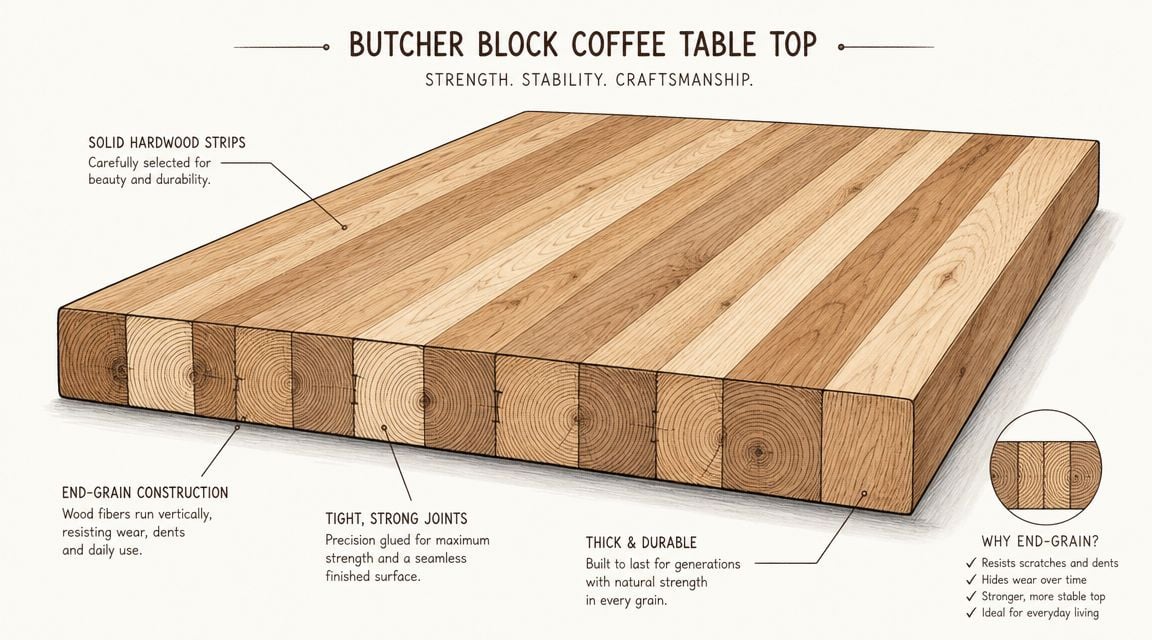
A lot of shoppers hear "butcher block" and think only of kitchen counters or cutting boards. In furniture, the term refers to a top made from many pieces of wood glued together into one thick panel, rather than one wide slab.
That method has a long track record. The butcher block furniture tradition uses glued wood strips for strength and durability, and surviving examples from the 1890s crafted from solid oak show just how long the style can last, as noted in this historical butcher block furniture example. Documented modern builds also show how the method works in practice, including one project that used 12 pine pieces measuring 2 in x 2 in x 4 ft for a single top in that same source.
For homeowners, the big idea is simple. Narrower pieces, joined carefully, tend to behave more predictably than one very wide board.
Edge grain and end grain made simple
Most butcher block coffee tables fall into one of two visual categories.
Edge grain shows long strips of wood running side by side. It looks orderly and linear. The easiest way to picture it is a stack of books lined up neatly on a shelf, with the long edges facing up.
End grain shows the wood fibers facing upward in a block-like pattern. It often creates the classic checkerboard look. A simple comparison is a bundle of straws cut short so the open ends face up.
The difference affects both look and behavior:
- Edge grain usually feels cleaner and calmer visually.
- End grain looks more graphic and textured.
- End grain can require more careful finishing because the exposed fibers tend to raise more aggressively after stain or the first finish coat, as described in this woodworking explanation of end-grain construction.
- Both types depend on accurate milling, glue-up, sanding, and sturdy fastening to the base.
For readers who enjoy comparing wood construction more broadly, this overview of solid and engineered wood floors can help clarify how wood assembly changes performance and appearance in different home products.
Practical rule: A butcher block top should look intentional from every angle. Even spacing, clean glue lines, and a flat surface matter more than flashy grain.
Anyone curious about how this same laminated-wood idea works in another room can see it applied in a butcher block bathroom vanity, where moisture, finish, and wood movement also matter.
Is a Butcher Block Coffee Table Right for Your Home
A winter afternoon in Upstate New York puts a living room to work. Boots come off by the door. Heat runs steadily. Windows dry the air out one week, then a damp thaw rolls in the next. In a house that lives through all four seasons, a coffee table has to do more than look good for a photo. It has to feel steady, useful, and comfortable to live with every day.
That is one reason butcher block appeals to so many households. It brings real wood warmth into the center of the room, but it is not fussy. The top is built from multiple wood pieces joined together, which works a bit like a well-built wood floor. The parts support each other, helping the surface stay more predictable than one very wide board can in a changing home environment.
For families, the biggest benefit is often simple. A butcher block coffee table usually handles real life well. If the surface picks up light marks from mugs, remotes, board games, or kids doing homework on the couch, many of those signs of use can be improved with the right care because you are working with solid wood, not a thin printed layer.
Style is the other reason shoppers keep coming back to it. The same butcher block top can read relaxed and rustic with a heavier base, or more refined with clean lines and quieter room styling. That flexibility makes it a comfortable fit in farmhouse, transitional, industrial, and mixed-style homes without feeling like a short-term trend.
Still, it is not the right answer for every room.
A thick solid wood top has real weight. Many homeowners love that because the table feels planted and dependable, especially in homes with kids, pets, or frequent guests. If you rearrange furniture every month, though, that same heft can become a chore.
Wood also asks for reasonable care. It does not need constant attention, but it does reward good habits. Coasters help. Wiping up spills quickly helps. A well-finished top is forgiving, yet it is still wood, not plastic.
Construction quality matters just as much as the species or stain color. In our showroom conversations, many shoppers need the clearest guidance on this. A good butcher block top should look flat, feel solid, and show clean joinery instead of obvious glue lines or uneven board edges. The base should also support the top in a way that respects seasonal wood movement, which matters in Upstate New York homes where indoor humidity can swing from dry furnace heat to sticky summer air.
For that reason, many local homeowners feel more comfortable with butcher block than with delicate veneers or overly precious finishes. It offers substance. It can age gracefully. And if you want something made for your room instead of forcing your room to fit a standard size, Tip Top's custom Amish options and in-store design help can be especially useful for dialing in width, wood tone, and overall presence.
The question usually is not whether butcher block is attractive. It is whether your home will appreciate a table that feels grounded, repairable, and made to be used. In many Albany-area and broader Upstate NY homes, the answer is yes.
If you are still weighing proportions, room flow, and how a table should relate to your seating, our guide on how to choose a coffee table for your space can help you sort out the layout first.
How to Select the Right Butcher Block Table
You walk into your living room on a January afternoon in Upstate New York, the heat is running, boots are by the door, and the coffee table has to do real work. It has to look right with the sofa, hold up to daily use, and feel proportionate in a room that changes with the seasons. That is the lens to use when choosing a butcher block table.
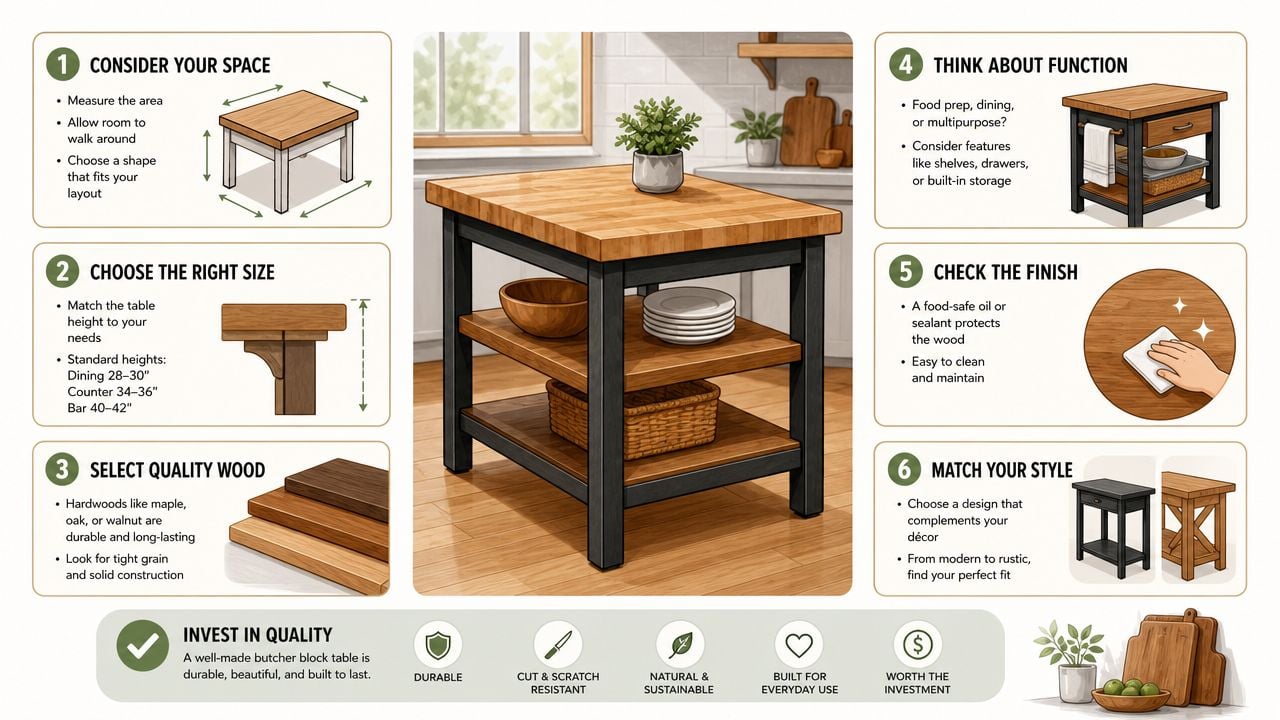
Three decisions usually matter most. Pick the wood species. Confirm the size and height. Then choose a base that suits both the room and the weight of the top.
Choose the wood species first
The wood sets the tone before anyone notices the shape. Some species show bold grain and natural movement. Others read quieter and cleaner from across the room.
Common Wood Species for Butcher Block Tables
| Wood Type | Hardness | Grain & Color | Best For |
|---|---|---|---|
| Oak | Hard and durable | Noticeable grain, warm traditional tones | Busy family rooms, farmhouse spaces |
| Maple | Hard and smooth-looking | Finer grain, lighter appearance | Clean casual rooms, transitional spaces |
| Walnut | Moderately hard | Rich darker tone, elegant grain | Refined living rooms, moody interiors |
| Cherry | Moderately hard | Warm reddish tone that deepens over time | Traditional settings, classic wood furnishings |
The goal is not to find a universally "better" wood. It is to match the personality of the species to the way your room feels. Oak and maple often make sense in active homes because they read sturdy and grounded. Walnut and cherry bring more warmth and depth, which can be beautiful in formal or layered spaces with richer fabrics and darker accents.
If you want a broader look at species, grain, and day-to-day practicality, this guide to the best wood for tables is a useful companion.
Get the size and height right
This is the step that saves shoppers from regret.
A butcher block coffee table can be beautifully made and still feel wrong if the proportions are off. In a smaller room, a thick top with a heavy base can crowd the seating area. In a wider, open-concept room, a table that is too slight can look like it drifted into the space by accident.
For height, many well-built coffee tables land in the range of 18 to 20 inches, and a solid butcher block design often uses a top around 50 mm thick, as shown in this butcher block build guide. Those measurements tend to work well because they keep the surface close enough to reach comfortably from a sofa without making the table feel oversized.
A practical reference point from a commercially sold butcher-block-style table is 36 x 24 x 19 inches, based on the dimensions listed by the product maker. That footprint is not a rule. It is a helpful visual starting point for shoppers trying to picture a table in the room.
A few sizing cues make the choice easier:
- For compact rooms, keep enough walking space around the table so the room still feels open and easy to move through.
- For larger seating areas, a thicker top or broader footprint helps the table hold its own visually.
- For four-season homes in the Albany region and across Upstate NY, think about daily use as much as appearance. A table often becomes a landing place for mugs, books, remote controls, and the extra layers that come with cold-weather living.
Match the base to the room
The base does two jobs at once. It shapes the style, and it carries the weight of the top.
A steel base usually fits cleaner, more industrial rooms. A solid wood base feels at home in farmhouse, traditional, and Amish-made settings. A simple geometric form can help butcher block feel current rather than overly rustic.
Proportion matters here. A thick top needs support that looks intentional, not spindly or undersized. In the showroom, this is often the moment when shoppers realize why two tables with similar tops can feel completely different. One feels settled and balanced. The other feels top-heavy.
If you are ordering a custom piece for a specific room, finish and repairability should stay in the conversation too. Guidance from Arsh Art Cabinet Refinishing expertise offers a helpful plain-language way to think about how coated wood surfaces wear, age, and get touched up over time.
For many local homeowners, the best choice is the one that fits the room, the traffic pattern, and the way the house lives from February through August. That is why custom sizing and base options can make so much sense for butcher block.
Protecting Your Investment with Proper Finishes and Maintenance
Solid wood scares some shoppers because they assume it will be fussy. Usually, it isn't. It just asks for a little consistency.
Understanding the finish on the wood
Two broad finish approaches are common.
An oil-style penetrating finish soaks into the wood and keeps a natural look. Many people like it because light wear can often be refreshed without refinishing the whole piece. The tradeoff is that it needs occasional attention.
A surface-sealed finish, such as a varnish or similar clear protective coat, creates more of a barrier on top of the wood. That tends to offer stronger resistance to water marks and day-to-day spills, but spot repairs can be more noticeable if damage breaks through the film.
For anyone trying to understand repair-friendly wood finishes in plain language, the finishing perspective shared through Arsh Art Cabinet Refinishing expertise gives a helpful way to think about coating choice, touch-ups, and long-term upkeep.
A simple care routine that works
The best maintenance plan is boring. That is good news.
- Dust gently: Use a soft dry or slightly damp cloth rather than anything abrasive.
- Catch spills quickly: Water rings and sticky spots are easier to prevent than remove.
- Use a tray or coaster cluster: This keeps hot mugs, cold glasses, and candles from concentrating wear in one small zone.
- Watch the room conditions: Extreme dryness or repeated moisture exposure is harder on wood than normal daily use.
Minor scratches don't always require panic. On many solid wood tables, the right touch-up depends on the finish. A small surface mark may only need cleaning and a finish-safe refresher. A deeper mark may need light sanding and reapplication by someone who knows the product.
Care note: The goal isn't to keep a wood table untouched. The goal is to keep wear from becoming damage.
Homeowners who want a fuller routine can review these practical tips on how to care for wood furniture. The principles are straightforward and work well for most solid wood pieces.
Styling and Customizing Your Table with Tip Top
On a January afternoon in Upstate New York, the living room often does double duty. It is where boots come off, mugs get set down, kids spread out a game, and guests gather when the weather keeps everyone inside. In that kind of home, a butcher block coffee table should do more than match the sofa. It should feel grounded, useful, and built for real life.
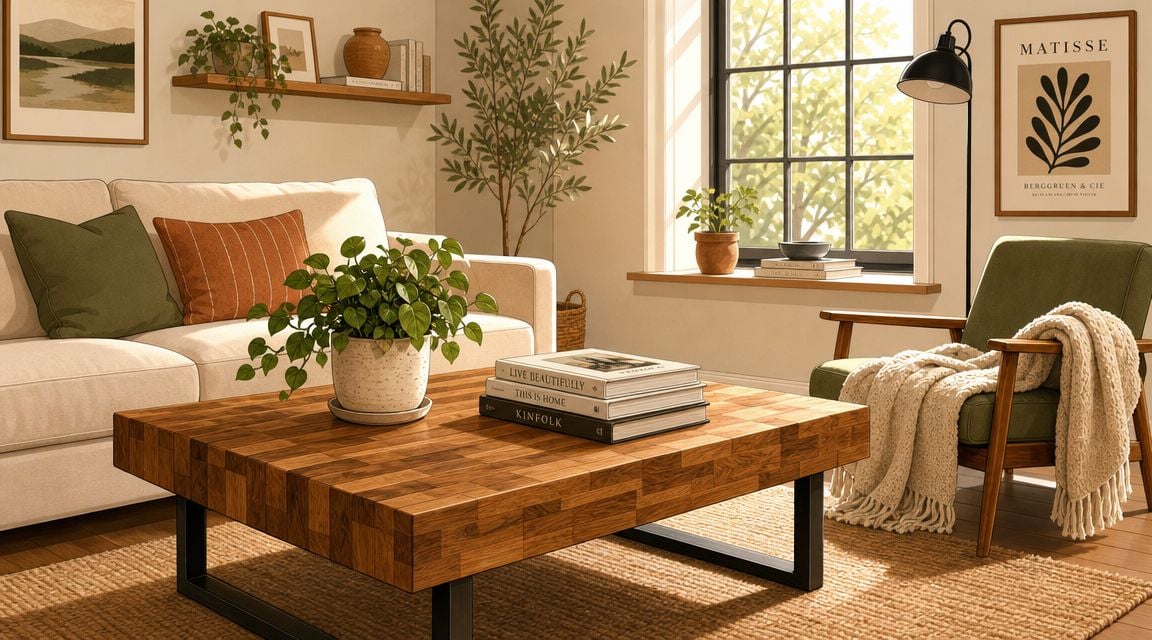
Styling starts with that idea. A butcher block top already brings pattern, warmth, and visual weight into the room, much like a well-made wood floor anchors everything around it. The decor on and around it should support that character, not hide it. Leaving part of the surface open lets the grain and joinery do their job.
Styling ideas that feel natural
Different rooms call for different treatments, but a few approaches work especially well with butcher block.
- Rustic and relaxed: Pair the table with woven baskets, soft upholstery, and a tray for remotes or candles.
- Industrial and clean: Use a darker base, simple lighting, and only a few objects so the wood remains the focal point.
- Classic family room: Add a small stack of books, a low bowl, and coasters that stay within easy reach.
- Modern farmhouse with restraint: Mix the table with cleaner-lined seating so the room feels current instead of overly themed.
A good rule is simple. If every inch of the top is covered, the table loses part of its appeal.
Why custom sizing matters
This is often where shoppers get stuck. They know they like the look of butcher block, but the standard size on the sales floor may be too long for a tighter seating group, too small for a large sectional, or too light or dark for the wood tones already in the room.
Sizing a coffee table works a lot like fitting an area rug. The piece needs to relate to what surrounds it, not just look good by itself. In many Capital Region and Upstate NY homes, that matters even more because living rooms are often mixed-use spaces with traffic paths, radiators, fireplaces, or older room layouts that do not follow perfect showroom proportions.
Custom ordering helps solve those practical problems. A household may need:
- A narrower table for a smaller room or a tighter walkway
- A wider top to suit a large seating arrangement
- A different finish tone to sit comfortably with existing floors or end tables
- A heavier or lighter base design to balance the scale of the room
Tip Top Furniture & Mattresses helps customers work through those choices with design guidance and access to Amish-made solid wood options in Freehold, NY. That matters for homeowners who want furniture that feels personal rather than close enough. Amish customization also gives you the chance to match the table to the way your family lives, whether that means a sturdier presence in a busy family room or a cleaner profile for a more formal space.
The local piece matters here too. Four-season homes in this part of New York tend to have rooms that change throughout the year, both in use and in feel. A custom butcher block coffee table can be sized and styled to stay comfortable in those spaces year-round, instead of feeling oversized in winter or undersized once the room opens up for entertaining.
Professional design help is especially useful when the coffee table has to connect with more than furniture. In many homes, it also needs to relate to rugs, lamps, upholstery, accent fabrics, and nearby flooring so the whole room feels settled.
Your Local Furniture Destination in the Albany Region
Buying a butcher block coffee table online can show dimensions and finish names. It can't show heft, texture, edge detail, or how the grain looks when light hits the top from a nearby window.
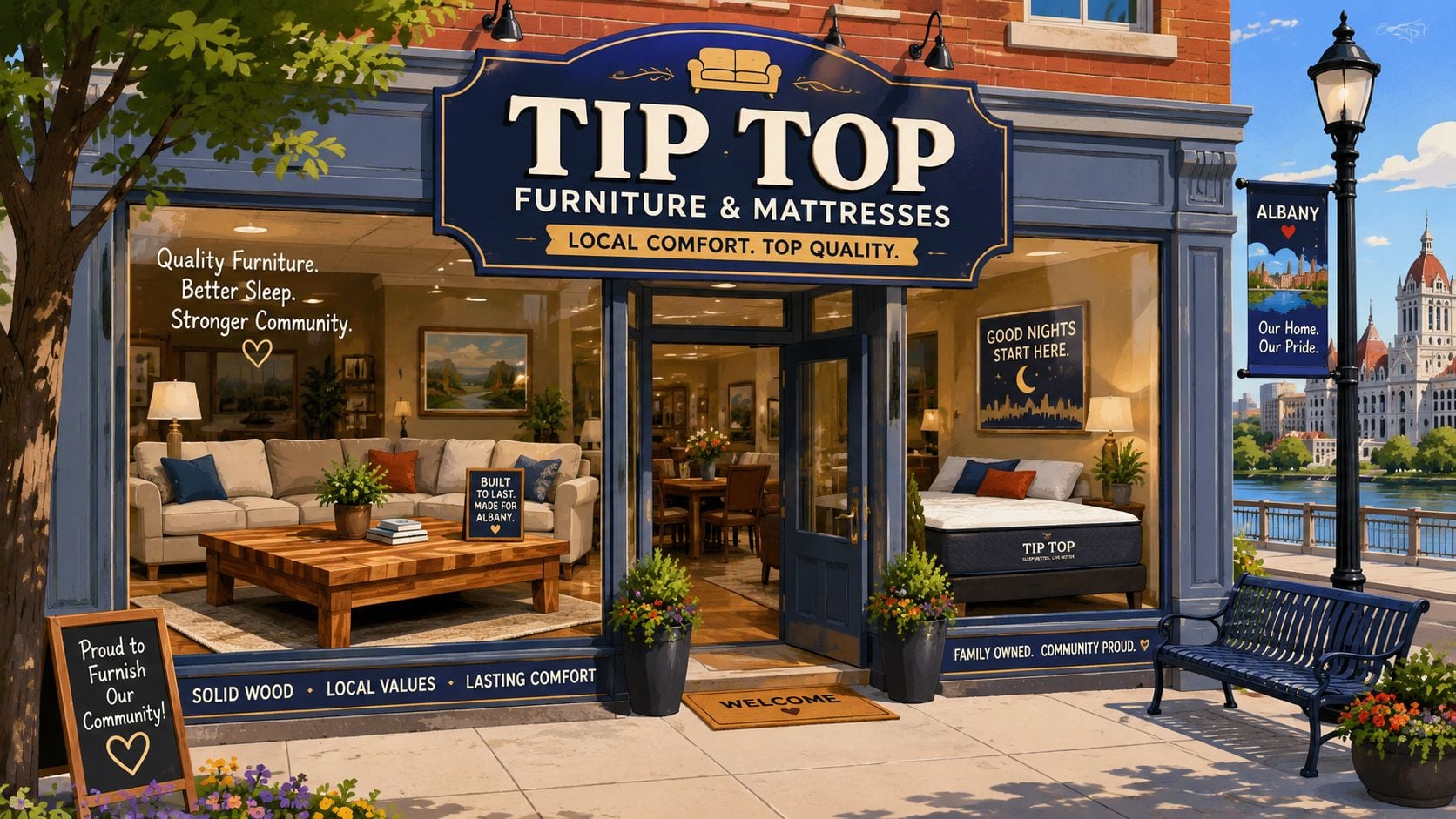
That is why local showroom shopping still matters for solid wood furniture. In Freehold, shoppers from Albany, Troy, Schenectady, Greene County, and the wider Capital Region can compare styles in person, look closely at construction, and judge whether a piece feels right for the room it is going into.
There is also a practical advantage to shopping with a family-owned store that has been serving the area since 1978 and offering professional design services since 1984. A larger home project rarely stops at one coffee table. People often need help coordinating living room seating, rugs, decor, window treatments, or even flooring so the finished space feels complete.
A one-stop showroom can simplify that process.
- Custom orders help when standard sizes don't fit the room.
- Clearance options help budget-conscious shoppers stretch further.
- Flexible financing can make a bigger room update easier to manage.
- Local delivery removes a lot of the stress from moving heavy furniture into place.
For many households, the value isn't just the product. It's the ability to ask detailed questions, compare wood tones in person, and make a confident choice instead of a guessed one.
For anyone ready to narrow down options, explore solid wood living room pieces, ask about custom Amish-made furniture, or discuss financing and local delivery, Tip Top Furniture & Mattresses is a practical next stop for homeowners shopping from Freehold to the greater Albany Capital Region.