Window Treatments Albany NY: A Local Buyer’s Guide

On a cold January morning in Albany, the problem isn't just that the room feels drafty. It's the window over the radiator that never quite fits right, the old double-hung frame that's a little out of square, and the cheap treatment that looks fine in the showroom but sags, gaps, or binds the minute it meets a 1920s house. That's why window treatments Albany NY buyers need a local strategy, not a generic catalog answer.
The market itself isn't small or casual. A recent industry estimate valued the global window-covering market at USD 15.07 billion in 2025, with North America at 37.46% of global share, which puts local buyers inside one of the biggest demand regions for blinds, shades, shutters, and curtains (Fortune Business Insights). In practice, that means there are plenty of options, but only a few are right for older Albany, Schenectady, and Troy homes.
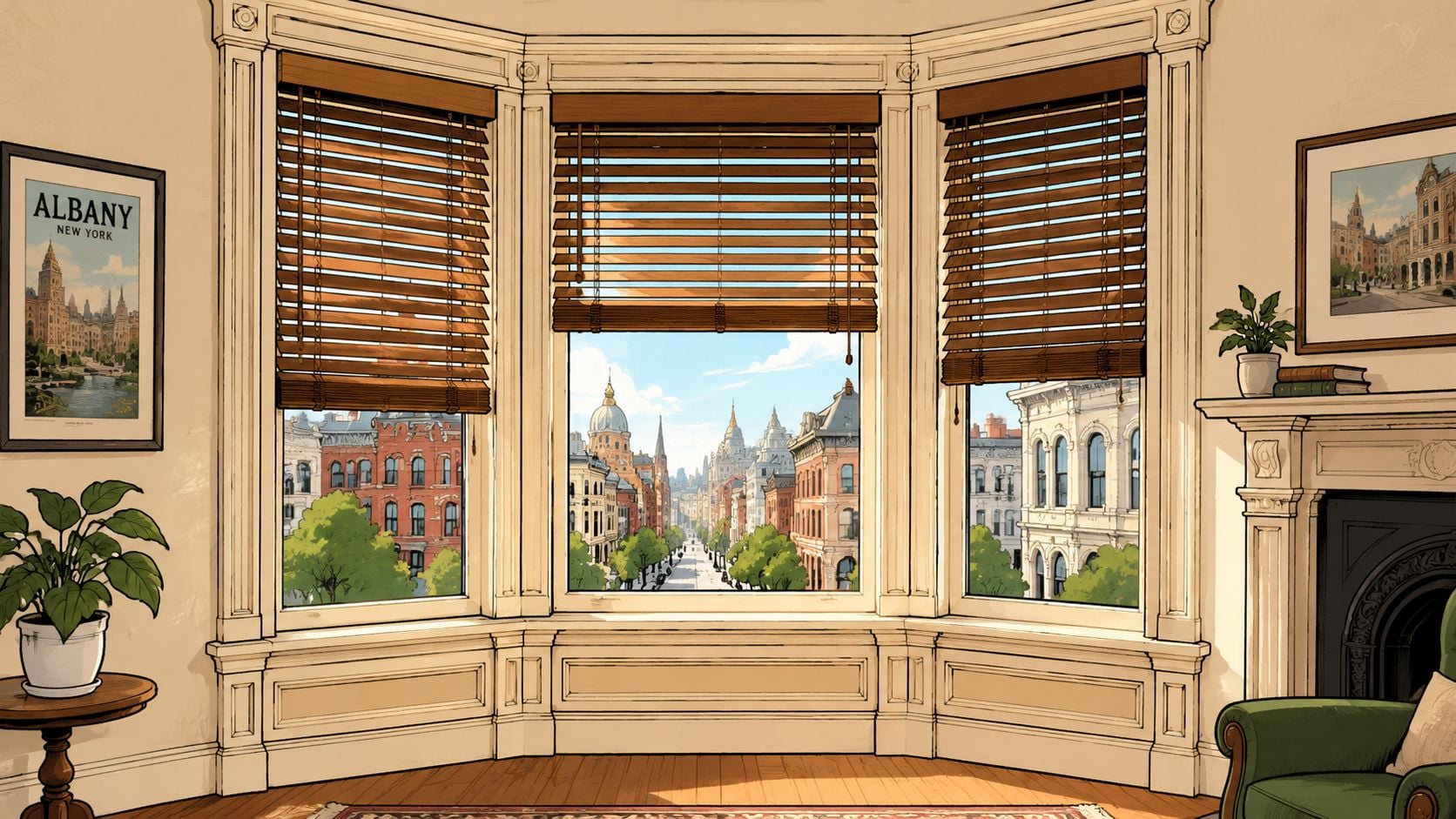
A smart plan starts with the house itself. Deep trim, plaster returns, warped frames, radiators under the sill, and narrow winter sun all change what works, which is why design guidance for older homes matters so much in the Capital Region (interior design for older homes). Tip Top Furniture & Mattresses in Freehold has been family-owned since 1978, with professional design services since 1984, custom ordering, and financing that make a real project doable instead of aspirational.
Why Albany Homes Need a Different Window Treatment Strategy
Older Capital Region homes do not reward showroom thinking. A treatment that looks crisp on a flat sample board can fail the second it meets a bowed frame, thick plaster wall, or a sill that sits too close to a radiator. In Albany, the window isn't just a decorative opening, it's a performance part of the house.
The house decides the product, not the other way around
A 1920s farmhouse, a brick colonial, and a postwar split-level all ask for different things. On one window, an inside-mount shade fits cleanly and disappears. On another, the frame is too irregular, so an outside mount is the only sensible choice if the goal is privacy and proper coverage. That's why buyers here should stop thinking in terms of “what looks nice” and start thinking in terms of fit, clearance, and winter performance.
The best local projects usually come down to four families, blinds, shades, shutters, and drapery. Each has a role. Blinds offer control, shades offer cleaner lines, shutters add structure, and drapery softens the room while improving coverage.
Practical rule: If a treatment needs the frame to be perfect, it probably needs custom sizing in an older Albany house.
Why local service matters more here than in a newer suburb
Tip Top Furniture & Mattresses is a useful example of the kind of local support this market needs. The showroom in Freehold, NY serves the Capital Region with furniture, décor, flooring, mattresses, and window treatments under one roof, so buyers can coordinate finishes instead of guessing. That matters when a living room needs new shades but the flooring and furniture also need to work together.
The local advantage is not just convenience. It's judgment. A seasoned consultant sees the radiator placement, the trim depth, the odd mullions, and the way winter light hits the room at 4 p.m., then steers the buyer away from a pretty mistake. For Albany homes, that judgment is worth more than a glossy sample.
Blinds, Shades, Shutters, and Drapery Compared
A lot of buyers overcomplicate this decision. They don't need every category, they need the right one for the room, the window shape, and the season. Comfortex's Albany showroom page confirms the local market includes cellular shades, roller shades, roman shades, blinds and shutters, sheer shadings, draperies, valances, cornices, verticals, woven woods, skylights, and archtops, so the choices are real, not theoretical.
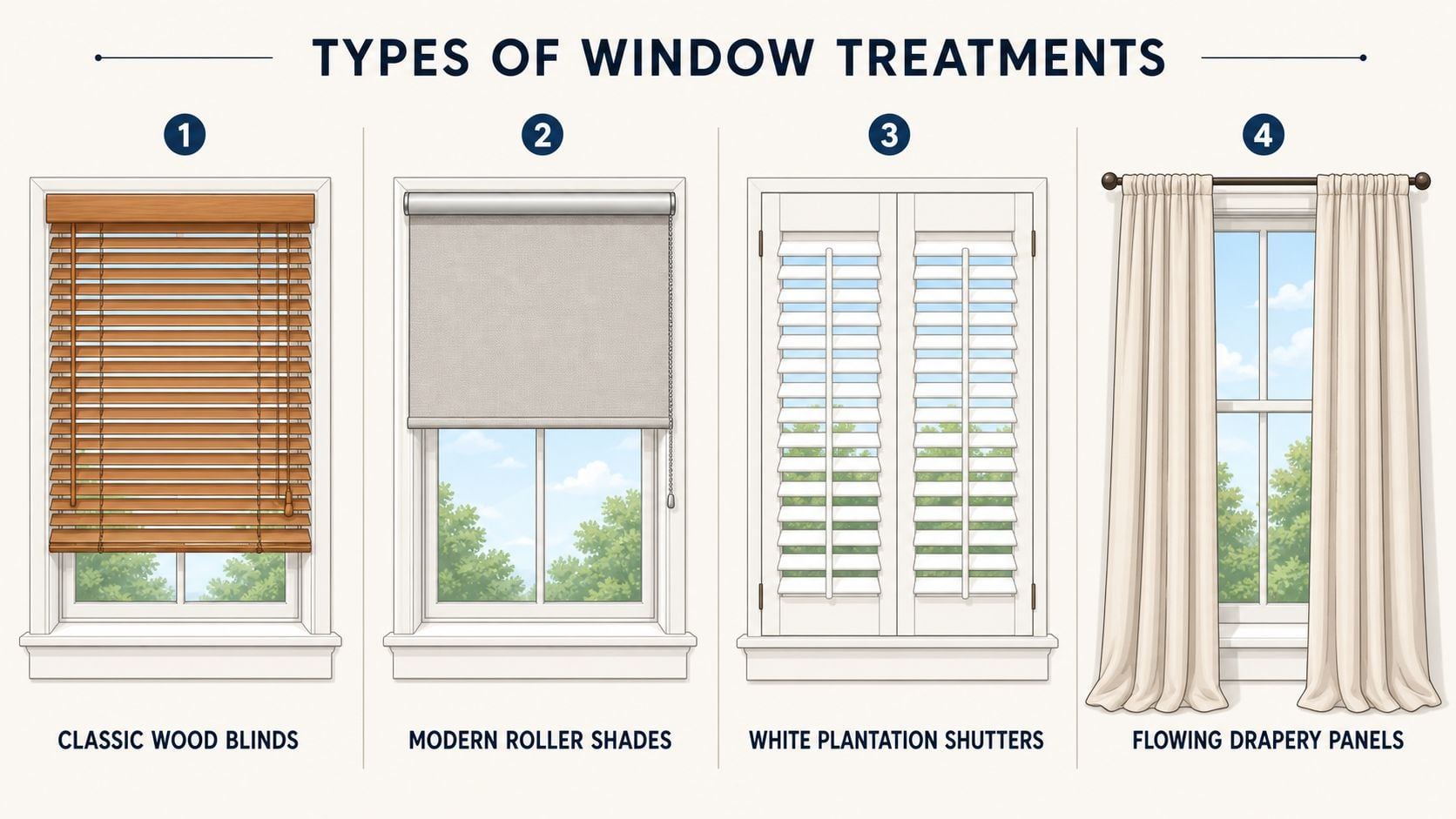
The fast comparison
| Treatment Type | Light Control | Insulation Value | Best Rooms in an Albany Home |
|---|---|---|---|
| Blinds | Strong, especially for directional control | Moderate | Kitchens, baths, offices |
| Shades | Strong to excellent, depending on fabric | Strong, especially cellular styles | Bedrooms, living rooms, street-facing windows |
| Shutters | Excellent and very consistent | Strong | Formal rooms, drafty front windows, long-term installs |
| Drapery | Excellent when lined | Strong when layered | Bedrooms, dining rooms, large picture windows |
What each one actually does in real life
Blinds are the most straightforward. They're good when the room needs adjustable light and easy cleaning, especially in kitchens or rooms with pets. The downside is obvious, slats collect dust, and the look can feel busy on a narrow historic window.
Shades are usually the smarter choice for most Albany bedrooms and living rooms. They give a cleaner silhouette, and cellular styles can help with winter comfort, while roller and roman styles solve different style problems without adding visual clutter. That's why the best window treatments for living room topic comes up so often, the living room usually needs light control without making the whole wall look heavy.
Shutters are for people who want a more built-in look and can live with a permanent architectural feel. They're not the cheapest route, but they're a strong answer for front-facing windows, especially where privacy and a tidy finish both matter.
Drapery is the room softener. It's the best option when a window needs visual warmth, better coverage, or a layered look that can handle both winter nights and bright snow glare. In practice, lined drapery often belongs on the bedrooms and the biggest windows, where the fabric can do more than just decorate.
Bottom line: For Albany winters, shades and lined drapery do more work than pretty panels alone.
How to Measure Albany Windows the Right Way
Measurement is a step where precision is critical. Older Albany windows are often out of square, and that means “close enough” is not close enough. A steel tape measure, a careful hand, and measurements written to the nearest 1/8 inch are not optional details; they're what keep a custom order from failing on arrival.
Inside mounts need three points, not one
For an inside-mount blind or shade, measure the width at the top, middle, and bottom of the opening. Then use the narrowest width so the treatment doesn't bind in a frame that leans or bows. Do the same on the height, measuring the left, middle, and right, then use the longest height so the product clears the full opening cleanly.
That's the key to a fit that moves. If the frame is a little crooked, the window treatment needs the tolerance to glide without scraping the sides.
Outside mounts solve a lot of Albany problems
Outside mounts are often the smarter call when there's deep trim, shallow depth, plaster irregularity, or a window that refuses to behave. A good rule is to allow about 1.5 to 3 inches of overlap per side so the frame irregularities disappear and light leakage drops. That overlap also helps with privacy, which matters more than people admit on close-set Capital Region streets.
Know when to stop and call for help
Radiator placement can force a shorter drop than the “ideal” look suggests. Arched windows, transoms, bay sections, and deep colonial casings are also the kind of openings where a homeowner can measure twice and still get the wrong result. When a frame looks suspiciously uneven, a professional in-home measurement is the better choice.
- Bring a steel tape: Cloth tapes stretch, and guessing costs money.
- Write every number down: Don't trust memory after measuring six windows.
- Flag problem openings: Deep trim, arches, and radiator clearance belong on the same note.
- Ask about mount type: Inside and outside mounts solve different problems.
- Carry the measurements to the showroom: A clean worksheet speeds up the custom order.
For taller drapery projects, the curtain panel sizes guide is worth having on hand before an appointment, because length and fullness change the whole result.
Energy Efficiency and Winter Performance in the Capital Region
In an Albany winter, window treatments are insulation first and décor second. That doesn't mean style doesn't matter, it means style has to pull its weight. A treatment that looks elegant but leaks heat through every edge is a bad choice for a cold climate.
What actually helps when the temperature drops
Cellular shades are the strongest everyday answer because their pocketed structure traps air at the window. Lined drapery adds another still-air layer between the room and the glass. Shutters help too, because their rigid fit adds a solid barrier and reduces the feel of radiant cold near the window.
Precision matters here. A motorized roller-shade system such as Lutron's Sivoia Roller 100 is designed with alignment kept within 1/8 inch (3 mm), which shows how small gaps become visible gaps in large or grouped windows (Lutron Sivoia Roller 100). That same logic applies in Albany homes, loose fit equals heat loss.
The room-by-room verdict
Bedrooms usually benefit most from cellular shades plus lined drapery, especially when the window faces wind or winter glare. Living rooms often do better with a cleaner shade or shutter solution, then a drapery layer only if the room needs softness. Hard-to-reach windows are where motorization earns its keep, because people are far more likely to leave awkward treatments up all winter if they're a nuisance to operate.
If a treatment is annoying to use, it won't get used the way it should, and that hurts comfort.
Glare is another real issue here. Bright snow reflects more light than people expect, and that can fade wood floors and make a TV room miserable. For nearby windows that need daylight without the blast of sun, people sometimes look at types and benefits of solar screens, but in cold-weather Albany homes, they should be considered carefully because winter performance usually matters more than summer-only shading.
The honest answer is simple. For older Albany houses, the strongest comfort gains usually come from tight-fitting cellular shades, lined drapery, or well-fitted shutters, especially when the room has drafty original windows.
Custom Ordering, Installation, and Care
A store shelf rarely fits an Albany house cleanly. Custom ordering solves that problem. The buyer chooses the fabric, finish, slat size, opacity, and operating system, then the measurements become a made-to-fit order. That is the right move when the home has warped frames, deep trim, drafty double-hung windows, or rooms that need to coordinate with Amish furniture and existing flooring.
What happens after the showroom visit
A serious consult starts with the room, not the sample book. The consultant looks at the trim, light direction, furniture finish, radiator placement, and how the window has to work in daily use. From there, the order can be built for a specific opening, which is why custom work earns its keep in older homes where standard sizing is a gamble.
For more detail on the process, see our guide to custom window treatment design. Tip Top Furniture & Mattresses also fits the buyer who wants the window treatment to coordinate with furniture, décor, and flooring in one project. That is practical, not decorative fluff. It keeps wood tones from fighting each other and stops fabric choices from looking detached from the rest of the room.
Install it right, then keep it simple
Some treatments are reasonable for DIY. A standard roller shade or a simple panel can work for a careful homeowner. Shutters, motorized systems, and specialty shapes are different, and those usually justify professional installation because fit and alignment matter more than brute effort.
Care should be boring, because boring maintenance gets done.
- Wood blinds and shutters: Dust regularly with a microfiber cloth.
- Cellular shades: Vacuum gently with an upholstery attachment.
- Drapery: Spot-clean when possible, then follow the fabric label for wet or dry cleaning.
- Seasonal reset: Check brackets and lift cords after winter and again after humid summer months.
That routine covers winter, spring pollen, and late-summer humidity in most homes. The point is simple. Keep the treatments working and looking right, and do not turn maintenance into a project.
Homes that fight drafts or lose a lot of heat benefit from better planning at the start. If you are weighing the comfort side of the budget, the same logic behind save on energy with insulation applies here too. Tight-fitting treatments help the room hold warmth better, especially when the house is old and the windows were never built for today's expectations.
Albany Pricing, Rebates, and How to Budget Smart
The Albany market has a wide price spread because window treatments are a highly variable purchase. One local listing reports custom window treatments average about USD 900 per window, with a range of USD 150 to USD 4,800; blinds and shutters are cited at USD 600 to USD 2,700, while drapes, curtains, valances, and estate shutters can reach up to USD 3,000. That is the right mental model for this market, costs move with size, material, and customization.
Budget by room, not by window
A kitchen with straightforward blinds should not be priced like a formal room with layered drapery and custom hardware. A bedroom with blackout needs is a different project from a sunny front room that only needs light control. Buyers make better decisions when they budget for the room's total function, not a single unit price.
Energy-minded choices can help justify the spend. High-performance cellular shades and lined drapery can support winter comfort, and homeowners looking for broader house-efficiency improvements can also review save on energy with insulation for a separate perspective on reducing heat loss. That does not replace good window treatments, but it does reinforce the same principle, the house should lose less heat in winter.
What makes the budget easier
- Flexible financing: Spreading the cost out can make a whole-home project realistic.
- Clear scope: One room at a time keeps the project from ballooning.
- Coordinated purchases: A one-stop showroom can simplify furniture, flooring, mattresses, and treatments in one visit.
- Local selection: Buying from a place that handles custom work reduces the chance of expensive mistakes.
For buyers who need payment flexibility, the easy financing furniture page is worth a look because the same financing structure can support a larger home project without forcing a full upfront payment. The smartest move is to treat window treatments as part of the whole room, then use financing to keep the project from getting delayed for the wrong reason.
Albany Window Treatment Questions Homeowners Ask Most
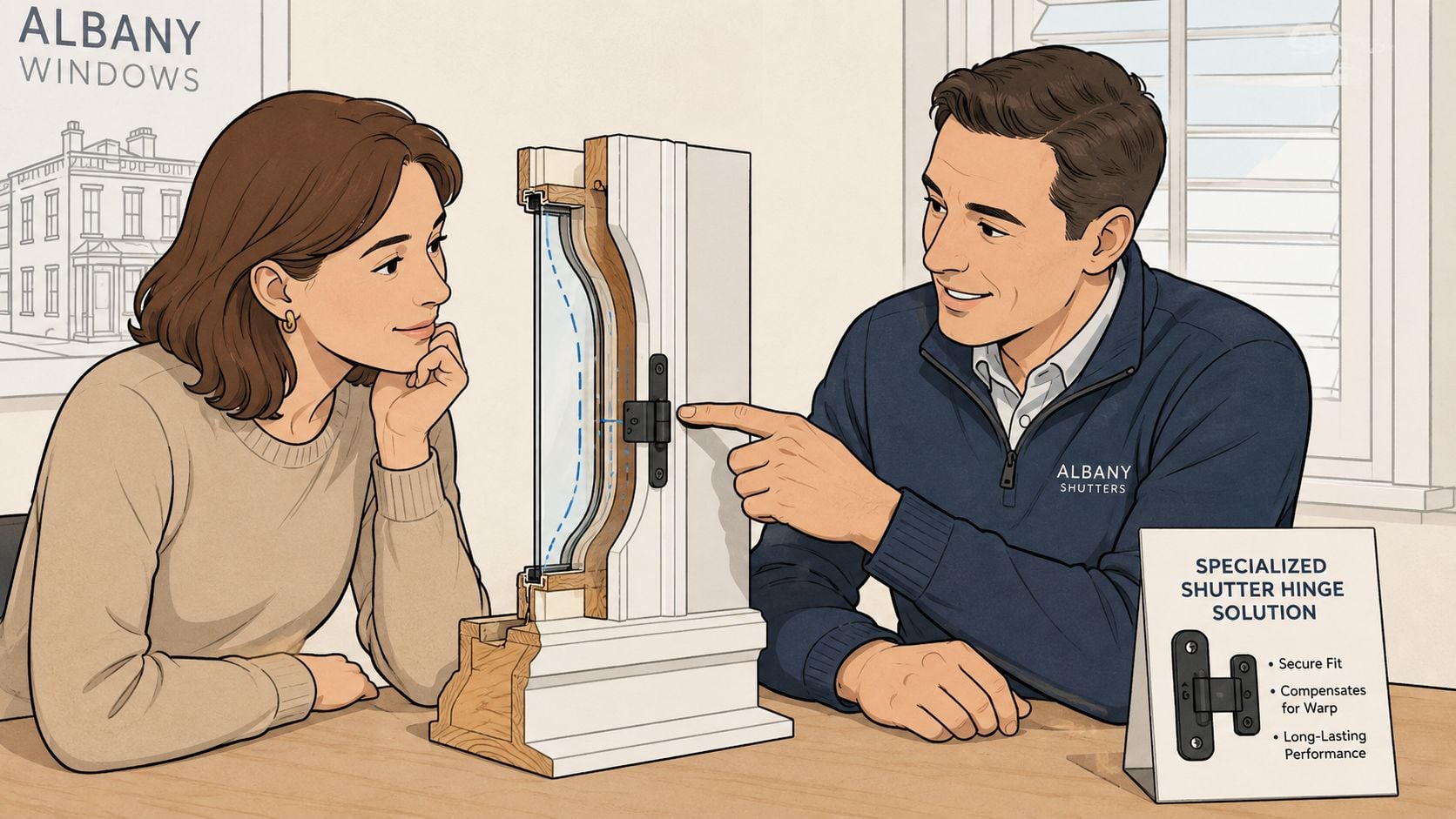
Older windows are the main pain point, and the answer is usually not to force an inside mount where it doesn't belong. If the frame is warped, an outside mount or a different treatment type is often the cleaner fix. That's exactly where a Freehold showroom visit helps, because a consultant can judge the opening instead of guessing from a photo.
People also ask whether cellular shades really help with cold bedrooms. The short answer is yes, especially when the fit is tight and the room already needs better insulation at the glass. For second-floor windows, motorization is worth serious consideration because hard-to-reach treatments tend to get ignored, and ignored treatments don't help comfort.
Radiators under the sill create another common headache. In that case, the treatment needs to respect clearance first, then aesthetics second. No one wins by choosing a long drape that traps heat or a shade that blocks safe airflow.
If the room already has Amish furniture or a flooring update coming, the smart move is to bring finish samples to the appointment and use the free online room planner before ordering. Matching tones in the same house is easier when the project is handled as one coordinated decision instead of separate purchases made months apart.
Tip Top Furniture & Mattresses has offered professional design services since 1984, and that kind of help matters more in older homes than most buyers expect. For homeowners who want to move forward, the cleanest next step is a design consultation, a showroom visit, or financing if the project needs to start now rather than later.
Tip Top Furniture & Mattresses in Freehold, NY helps Capital Region homeowners choose window treatments that fit older Albany houses, not just showroom samples. Visit Tip Top Furniture & Mattresses to browse custom options, plan a room, or get help putting the right treatment on the right window before the next cold snap.