Your Guide to Custom Furniture Design in the Capital Region

A lot of homeowners arrive at the same point. They've measured the wall three times, browsed page after page of furniture, and still can't find the piece that fits the room, the style, and the way the household lives.
That's where custom furniture design stops feeling like a luxury idea and starts looking like the practical answer. For families around Freehold, Albany, Schenectady, Troy, and the wider Capital Region, a custom piece often solves problems that ready-made furniture cannot. It can fit a tricky alcove, match existing woodwork, handle daily wear, and reflect a home's personality instead of fighting it.
What Is Custom Furniture Design
Custom furniture design is a guided process of turning a need into a buildable piece. Sometimes that need is spatial. A room may have low windows, narrow traffic paths, or old-house quirks that make standard dimensions awkward. Sometimes it's visual. A homeowner may love the scale of one table, the leg shape of another, and the finish of a third.
The difference is collaboration. Instead of buying whatever comes closest, the customer works through dimensions, materials, finishes, function, and layout before the piece is built. That's why custom design tends to work best when the conversation starts with real-life use, not just appearance.
It's more than picking a fabric
A custom project can include choices such as:
- Exact size: Width, depth, and height built for the room instead of around a catalog standard
- Material selection: Wood species, upholstery, finish, and hardware that suit the home
- Functional details: Storage needs, seating comfort, shelf spacing, extension leaves, or media access
- Style blending: Pulling elements from several inspirations into one coherent design
For many homeowners, the most reassuring part is that a custom piece doesn't require professional design skills. A picture, saved photo, or rough sketch can be enough to begin. In fact, custom furniture made simple can start with a customer-provided image or hand-drawn idea, then move into more precise planning from there.
Custom design works best when the homeowner brings the problem and the showroom helps shape the solution.
That's why this process has become much more approachable. It meets people where they are, whether they have a detailed plan or only know that the current options don't work.
Why Choose Custom Furniture Over Ready-Made
Ready-made furniture is convenient when a room is straightforward and the goal is speed. But many homes in the Capital Region aren't straightforward. Historic layouts, mixed-use family rooms, open-concept spaces, and specific style preferences tend to expose the limits of standard sizing fast.
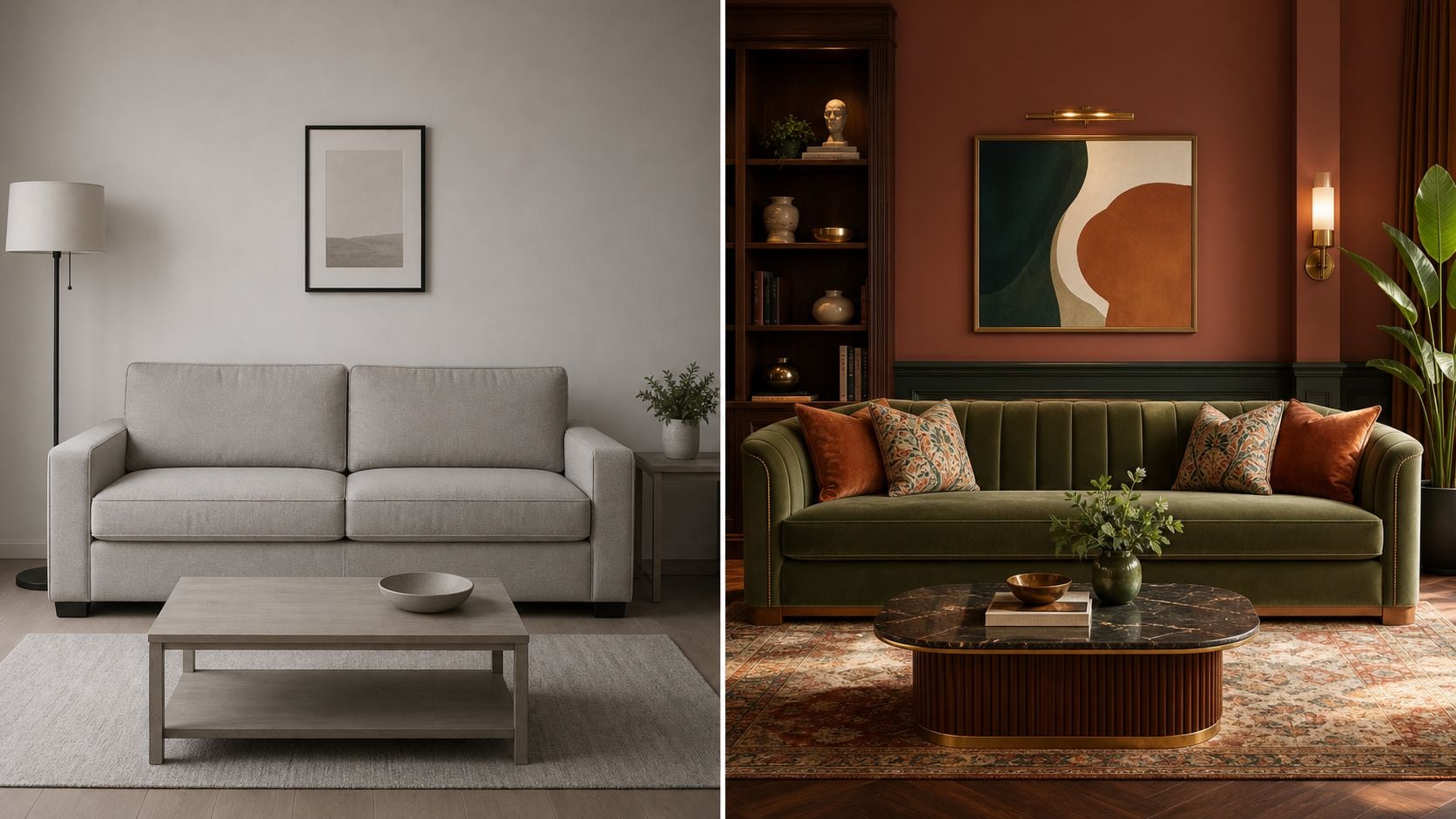
A custom piece solves those limits by starting with the room and the household first. It's a different way to buy furniture because the goal isn't to compromise well. The goal is to get the fit right.
Where ready-made often falls short
Off-the-floor furniture tends to create the same frustrations over and over:
- Awkward sizing: A sofa may be too deep for the walkway or too short for the wall
- Near-match finishes: One wood tone can look close in the showroom and wrong at home
- Generic function: Shelving, storage, or seating may not match the way the family uses the room
- Short-term thinking: Lower upfront cost can still feel expensive if the piece never really works
What custom does better
Custom design tends to be the stronger choice when the piece needs to do a specific job.
- Perfect fit for difficult spaces: Bay windows, built-ins, corners, and narrow rooms benefit from exact dimensions
- Personal style control: Shape, finish, scale, and material can reflect the home instead of the latest standard assortment
- Better long-term value: Solid wood, USA-made construction, and heirloom-minded craftsmanship usually hold up better over time
- Continuity across rooms: A new piece can be built to coordinate with dining furniture, casegoods, flooring, or other established elements
One reason this matters more now is that interest in personalized furniture keeps growing. The global customized furniture market is projected to reach USD 110.13 billion by 2034, growing at a 12.05% CAGR, according to Straits Research's customized furniture market outlook. That growth reflects a broader shift toward furniture that feels individual rather than interchangeable.
Practical rule: Custom makes the most sense when a homeowner has already spent time trying to “find something close enough” and keeps running into the same problem.
Professional guidance also changes the outcome. Design services that have been offered since 1984 bring a level of pattern recognition that helps customers avoid common mistakes and make stronger decisions early. That matters even more with heirloom-quality Amish furniture, where the value comes from getting the details right from the start. Homeowners who want to understand that construction mindset can explore what defines Amish furniture quality.
The Custom Design Process With a Local Showroom
The biggest misconception about custom furniture design is that it's vague. In a good local showroom, the process is structured. The customer doesn't need to know every answer on day one. The job is to bring the room, the goals, and any inspiration that helps explain the direction.
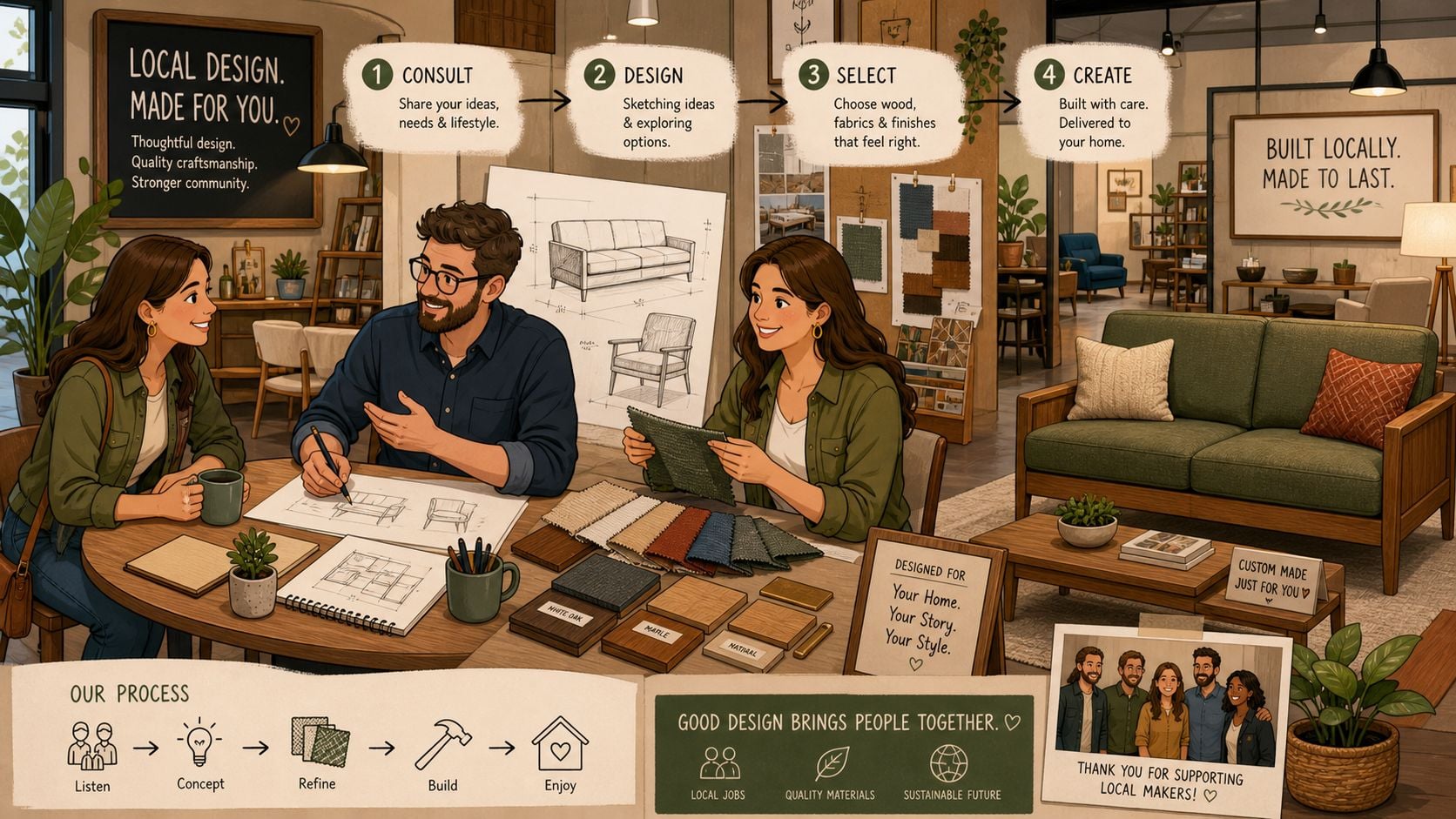
A well-run showroom also expands the options beyond what's on the floor. With access to over 50 trusted manufacturers, customers can tap into a wider range of USA-made and heirloom-quality Amish furniture for custom orders, which makes it easier to match both style and function.
How the process usually unfolds
-
Start with the room problem
The conversation begins with what isn't working. Maybe the dining table is too small for gatherings, the bedroom chest blocks circulation, or the media console doesn't match the architecture. Starting with the problem keeps the project grounded. -
Bring measurements, photos, and real constraints
Room dimensions matter, but so do door swings, trim depth, window height, outlet placement, and traffic flow. For installation areas, precise tolerances matter. Professional spec guidance calls for dimensional tolerances of ≤3mm for installation areas and ±0.5mm for mortise-tenon joints, as outlined in this overview of furniture design and customization specs. -
Review style direction and material choices
At this stage, form starts to meet function. Wood type, finish, hardware, upholstery, and silhouette come into focus. A family with pets and kids may choose very differently from a homeowner furnishing a formal room. -
Translate ideas into a buildable design
Strong showrooms help customers narrow inspiration into specific decisions. That may mean combining one table shape with a different base, or adjusting cabinet proportions so the piece looks balanced in the room. -
Check practicality before approval
The best custom projects go through a reality check before production. Will the arm height work beside the existing end table? Is shelf spacing useful? Does the chosen finish connect to nearby flooring and trim? This is also where it helps to understand how custom work compares to standard retail choices in other parts of the home. For a useful parallel, this breakdown of Compare custom vs off-the-shelf treatments shows how fit, material choice, and installation considerations shape value.
What good showroom guidance looks like
A seasoned design team doesn't just ask what looks good. They ask how the piece will be used, who uses it most, what the room needs to do, and what must not go wrong.
That practical filter matters in construction details too. In engineered applications, for example, drilled hole placement follows the 2.5D rule, meaning the center of a hole should sit at least 2.5 times the hole diameter from the board edge to help prevent failure under load. In high-stress situations, builders also work with safety margins beyond posted capacity, as described in this technical explanation of load and edge-distance rules. Homeowners don't need to calculate that themselves, but they do benefit when the people guiding the project understand why details matter.
A custom piece should be beautiful, but it also has to survive daily life without feeling delicate.
Before the order is placed
A careful final review usually includes:
- Dimensions confirmed: Not just overall size, but clearances and access into the home
- Materials approved: Wood, fabric, finish, hardware, and any distressing or sheen decisions
- Function checked: Drawers, doors, storage depth, leaf systems, or seating comfort
- Expectations aligned: Lead time, delivery planning, and care requirements
That's where local expertise earns its keep. A nearby showroom can guide the project from concept through delivery, not just sell a product and hand off the rest. Homeowners who want that kind of help can look at furniture design services to understand how the collaboration typically works.
Translating Your Vision From Idea to Blueprint
Many homeowners hesitate at this stage because they think they need to “speak designer.” They don't. What matters is giving clear clues. The strongest custom furniture design projects often begin with a mixed bag of screenshots, room photos, a saved finish sample, and a rough pencil sketch on notebook paper.
The primary challenge isn't taste. It's communication. A lot of furniture content tells people to “bring inspiration,” but stops there. Practical guidance is more specific. One useful industry observation is that many homeowners struggle to translate visual inspiration into technical direction for a builder, which leads to preventable misunderstandings. That gap is discussed in this article on common mistakes when specifying custom furniture.
A simple vision toolkit
Before a design appointment, it helps to gather:
- Room photos from several angles: Include windows, trim, flooring, and nearby furniture
- Basic measurements: Wall length, ceiling height, doorway width, and any obstacles
- Inspiration images: Not because one photo will be copied, but because pieces of each image help identify preferences
- A rough sketch: Even a simple front view with arrows and notes can clarify a lot
- Samples to match: Existing wood tones, hardware finishes, or fabrics if continuity matters
How to show what you mean
A homeowner doesn't need a polished drawing. Simple annotation often works better than vague description.
- Circle the part of a photo that matters
- Add arrows to features like leg shape, arm profile, shelf spacing, or door style
- Write short notes such as “less rustic,” “deeper seat,” or “warmer brown”
- Separate what's essential from what's flexible
If a customer loves only the base from one table and only the top shape from another, that should be marked clearly instead of assumed.
Visualization can also help when the household needs to agree before ordering. Some people understand plans best from photos, while others need a digital room view to judge scale. Homeowners curious about that side of visualization may find this explanation of how virtual staging AI works useful as a general reference for how digital representations help people evaluate a space before making decisions.
When finish is part of the challenge, it's smart to review actual examples rather than rely on names alone. “Walnut,” “natural,” or “aged brown” can vary more than people expect. Looking through custom wood finishes helps anchor the conversation in visible choices instead of guesswork.
Understanding Custom Furniture Costs and Timelines
Custom furniture pricing isn't arbitrary. It usually reflects material choice, scale, complexity, construction method, and how much coordination the project requires. A straightforward solid-wood table and a fully specified upholstered sectional live in very different worlds, even if they take up a similar amount of floor space.
The broader market supports that distinction. According to Coherent Market Insights on the custom furniture market, healthy custom furniture operations often target a gross margin of about 50% per job, with materials at 30% or less of the sale price and labor around 20%. The same source notes that the average order value for successful custom furniture businesses typically falls in the $3,000 to $4,500 range, with a minimum threshold of $2,000 to $2,550 often needed to sustain profitability.
What pushes a project higher or lower
Some of the biggest cost drivers include:
- Wood species: Paint-grade and premium hardwoods don't price the same
- Fabric grade: Upholstery choices can change the budget quickly
- Size and scale: More material and more labor usually mean a higher final price
- Construction details: Specialty bases, leaf systems, built-in storage, and complex joinery add work
- Finish requirements: Distressing, matching existing tones, or special sheen requests take added care
Why custom takes time
Custom furniture also follows a different clock than in-stock furniture. Selections need to be confirmed, specifications reviewed, materials ordered, construction scheduled, and finishing completed before delivery. That's why it's risky to assume a custom project can be treated like a standard purchase with easy returns.
A frequently overlooked reality is that custom pieces are often non-returnable, and that makes approvals more important than many shoppers realize. Fabric swatches, especially, should be viewed in the actual room before commitment because lighting changes everything. That caution is highlighted in this guidance on custom furniture realities for non-designers.
Worth remembering: The approval stage isn't a delay. It's the point where costly disappointment is prevented.
For households balancing design goals with budget, financing can make the timeline easier to manage too. Instead of shrinking the project into something that doesn't solve the problem, some buyers prefer to keep the right specifications and use flexible financing options to make the purchase more manageable.
Custom Design Examples in Capital Region Homes
A homeowner brings in a photo of a table they love, plus a quick room measurement written on the back of an envelope. By the end of the conversation, important questions begin. How many people need to sit comfortably every day? Will the chairs tuck in without choking the walkway? Does the wood tone need to match an older hutch, or should the new piece stand on its own? That is what custom design looks like in actual Capital Region homes.
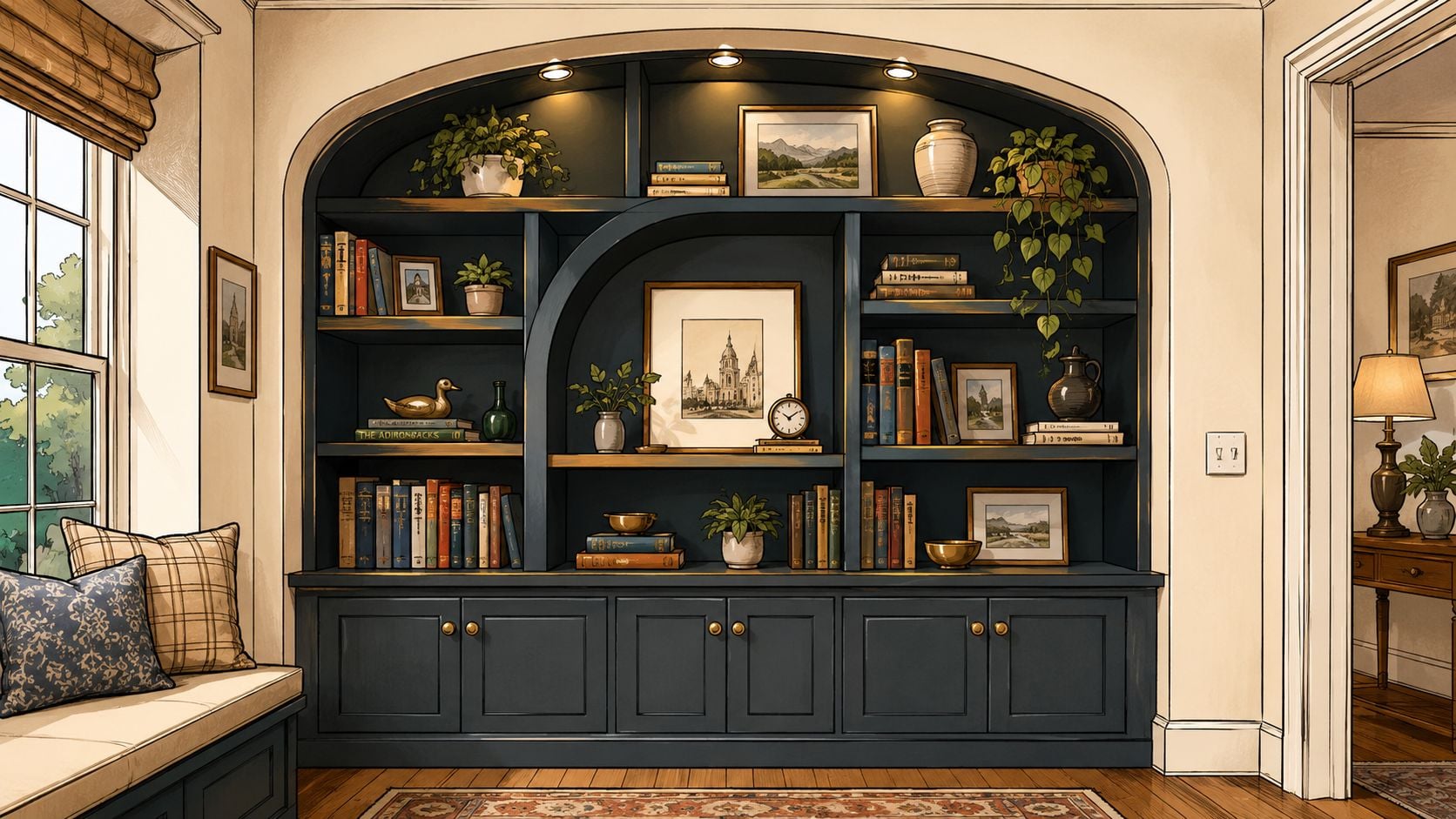
An Albany dining room that needed real scale
A long dining room can be harder to furnish than a small one. Standard tables often leave too much empty space around them, or they seat enough people on paper but feel cramped once everyone is sitting down.
A custom Amish-built dining table gives the room proper visual weight and solves the daily-use details at the same time. Length, width, leg placement, edge profile, and finish all get chosen with the room in mind. In a local showroom, that usually means reviewing samples, confirming chair count, and making sure the table still leaves comfortable clearance around the perimeter. Homeowners considering that route often start by looking at custom Amish cabinets and woodwork options to see how made-to-order craftsmanship translates across a home.
A Schenectady home with architectural quirks
Older homes rarely give perfectly straight walls and predictable trim lines. A stock media console may technically fit the width, then fail once baseboard depth, outlet placement, and floor variation enter the picture.
Custom work fixes that at the planning stage. The piece can be sized to clear trim, sit level on an uneven floor, and leave room for doors, cords, and speakers. The result looks like it belongs there, which matters in homes with original woodwork or unusual room proportions.
A Troy living space that had to do two jobs
One open room might need to handle movie night, daily traffic, and casual entertaining without feeling packed. That kind of layout usually exposes the limits of buying piece by piece from a floor sample.
Custom planning helps because the conversation stays tied to use. A homeowner may need a sofa with a tighter depth, performance fabric for kids or pets, and a coffee table shape that keeps the path to the dining area open. In the showroom, those choices get tested against actual measurements instead of guesswork.
That is the part inspirational photos skip. The success of a custom piece usually comes from the back-and-forth before the order is written down. Clear measurements, honest discussion about how the room gets used, and material samples viewed in person are what turn a good idea into furniture that fits the home and keeps working years later.
Frequently Asked Questions About Custom Design
What's the difference between custom and customizable
Customizable usually means choosing from a set menu. A customer might pick the fabric, finish, or size from pre-approved options. Custom goes further. It can involve changing dimensions, combining design elements, adjusting function, or building from a customer's reference image or sketch.
Can a showroom work from a photo or rough sketch
Yes. A saved image, clipped magazine page, or hand-drawn sketch is often enough to begin a productive conversation. The important part is identifying which details matter most so the final design doesn't rely on assumptions.
How precise do dimensions need to be
The closer, the better. Even small errors can create headaches with delivery, fit, and visual balance. That's especially true for built-ins, wall units, dining rooms with tight circulation, and bedrooms where drawer clearance matters.
Is custom furniture always a better choice
No. If the room is simple, the need is immediate, and a standard piece already fits the scale and style, ready-made can be the smarter route. Custom is strongest when the homeowner has a specific challenge or wants a long-term piece that standard inventory doesn't solve.
How should solid wood custom furniture be cared for
Keep it in a stable indoor environment, wipe spills promptly, and avoid placing it in direct harsh sunlight for long stretches if possible. Use routine care that suits the finish, and remember that solid wood is a living material. Small seasonal movement can be normal.
What's the smartest first step
Start with the room. Take photos, gather rough measurements, save inspiration, and narrow down what the piece must do. From there, a room planner or design consultation usually makes the next decisions much easier.
Homeowners across Freehold, Albany, Schenectady, Troy, and the wider Capital Region who are ready to move from inspiration to a real plan can explore Tip Top Furniture & Mattresses. For a custom project, the next best step is to try the online room planner, request a complimentary design consultation, review custom order options, or ask about flexible financing for a piece that's built to fit the home correctly from the start.