Parsons Arm Chair Guide: Tip Top Furniture Albany, NY

A lot of homeowners around Albany, Schenectady, Troy, and Greene County end up in the same spot. They want a chair that looks polished at the dining table, feels comfortable through a long meal, and still has enough presence to work in a bedroom corner or home office. A Parsons arm chair often lands on that shortlist because the shape is clean and easy to mix with many decorating styles.
But at this stage, shoppers usually get stuck. A chair can look great online and still be the wrong buy if the arms hit the table apron, the seat feels cramped, or the fabric starts showing wear too quickly in a busy household. Those are the questions that matter most in real homes.
For neighbors making the trip to a Freehold showroom or comparing options from home in the Capital Region, practical planning saves frustration. A good place to start is home design guidance for getting a room started, especially when one chair needs to do more than one job.
Table of Contents
- Your Guide to the Timeless Parsons Arm Chair
- What Defines a Parsons Arm Chair
- Choosing Materials for Style and Durability
- How to Measure for a Perfect Room Fit
- Selecting Your Chair at Tip Top Furniture
- Styling and Caring for Your Parsons Arm Chair
Your Guide to the Timeless Parsons Arm Chair
A Parsons arm chair earns its keep when a room needs one piece to do several things well. At the head of a dining table, it can look formal without feeling stiff. In a living room, it can read as an accent chair without becoming bulky. In a home office, it can soften the look of a desk area that might otherwise feel too utilitarian.
That flexibility is exactly why this chair shape has stayed popular for so long. The lines are simple, so the chair doesn't fight with a farmhouse table, a cleaner modern space, or a more traditional room with layered textures. It tends to blend in when needed and stand out when upholstered in a richer fabric.
Still, there's a gap between liking the look and living with the chair every day.
Practical rule: A Parsons arm chair is a smart choice only when it fits the table, the room, and the household's maintenance habits.
Many shoppers focus first on color and fabric swatches. Those matter, but they come after the basic questions. Does the chair support comfortable sitting through dinner? Can the arms slide under the table? Will the upholstery make sense with children, pets, or frequent entertaining?
A good example is the common dining room in an Albany-area home where the table also doubles as a homework station, laptop desk, and holiday gathering spot. In that setting, the right Parsons arm chair can feel refined and hardworking at the same time. The wrong one becomes a traffic obstacle, collects stains, or gets dragged halfway across the room because it won't tuck in.
That's why this style deserves a closer look than it usually gets.
What Defines a Parsons Arm Chair
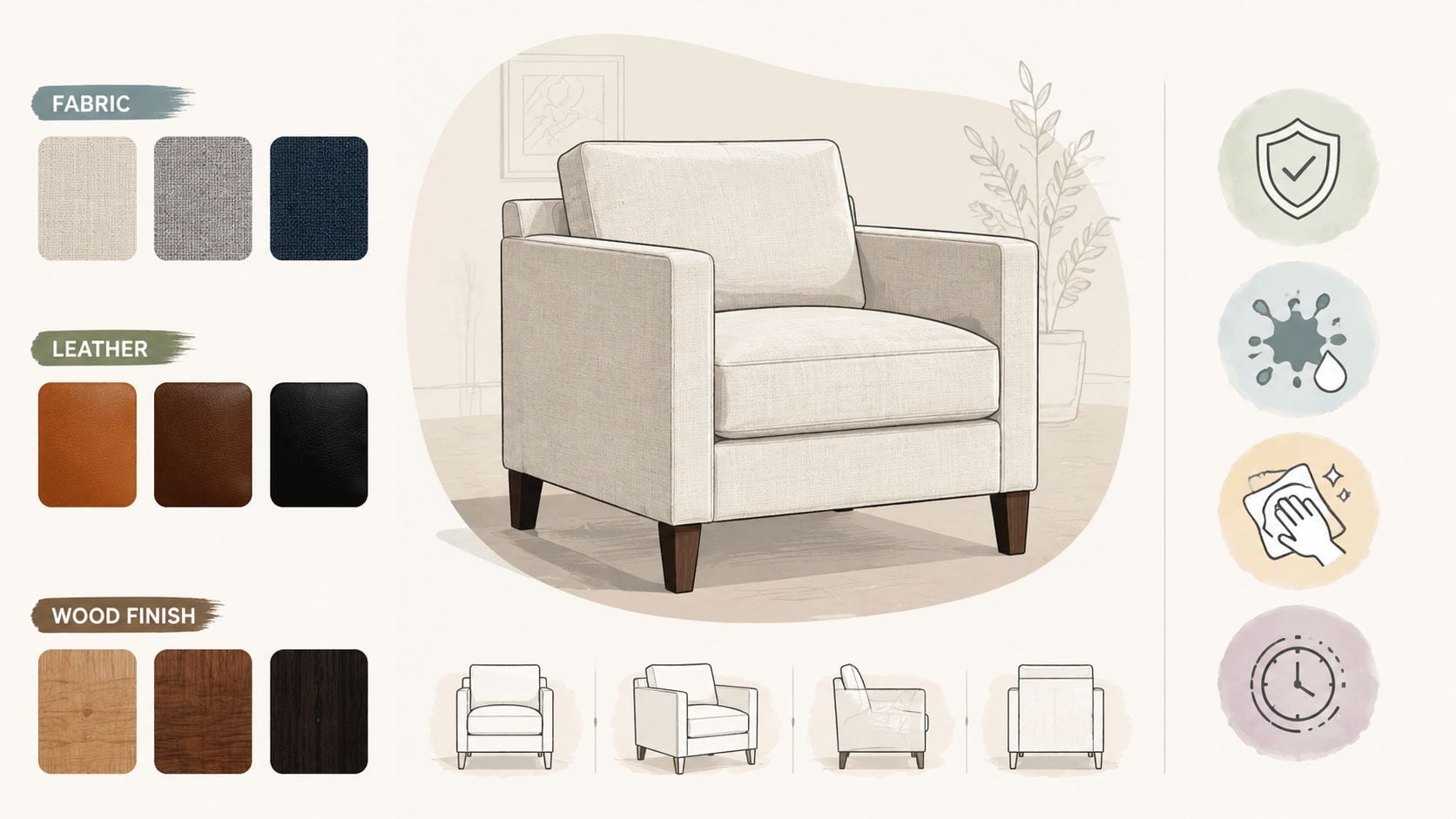
A Parsons arm chair starts with restraint. The shape is plain on purpose. You usually see a straight upholstered back, a padded seat, simple legs, and arms that follow the same clean lines instead of flaring outward or adding carved detail.
That sounds simple. In practice, it is what makes the chair so adaptable.
The original Parsons chair began as an armless design associated with early modern furniture thinking in the 1930s. Its appeal came from proportion rather than ornament. Designers stripped away the extra trim and let the silhouette do the work, which is why the style still fits homes that mix old and new pieces.
For a shopper, the easier way to spot one is to ignore the fabric first and study the frame underneath. A true Parsons arm chair usually has a clean-lined, upright look. It does not have a wingback profile, rolled arms, exposed wood arms, or a deep lounge-chair pitch. It sits in the middle ground between formal dining chair and small upholstered occasional chair.
That middle ground matters in real homes around Albany. If a chair is too upright and narrow, dinner can feel short even when the meal is not. If it is too deep or the arms are too wide, it starts behaving like a small accent chair and may crowd the table.
Here are the features that usually define the style:
- Straight, upholstered back: The back is typically tall enough to give visual presence and support, but it stays neat and squared-off.
- Padded seat: Comfort is built in, which helps for longer meals, card games, or a table that also serves as a work surface.
- Simple legs: The legs are usually straight and quiet visually, often in wood. If you are curious about how species affect strength and appearance, this guide to choosing the right furniture wood gives helpful background.
- Integrated arms: On the arm version, the arms usually look fitted and close to the body of the chair rather than oversized or plush.
The arms change more than the look. They change who the chair fits comfortably.
For some adults, especially taller people or anyone who likes forearm support while sitting for a while, arms can make a dining chair feel much more settled. For other people, especially at a narrow table, arms can feel confining if the seat is tight or if the chair cannot tuck in far enough. That is why a Parsons arm chair works best when the arm height, seat width, and table apron all cooperate.
A good comparison is a winter coat. Two coats can look equally nice on the hanger, but one lets you move easily and one fights you every time you sit in the car. Parsons arm chairs work the same way. The best one is not just attractive. It fits your body, your table, and your daily routine.
Upholstery also shapes how people experience the chair, even before you get into stain resistance and wear. A thicker fabric can make the edges feel softer and slightly fuller. Leather often reads cleaner and crisper. If you want a clearer sense of how fabric choice affects comfort and upkeep, our guide on how to choose upholstery fabric is a helpful place to start.
A Parsons arm chair, then, is not defined by one exact measurement or a single historical detail. It is defined by a precisely designed upholstered silhouette that gives you softness without much visual bulk. That is the reason it keeps showing up in dining rooms, deskside corners, and multipurpose spaces where comfort matters but extra furniture mass does not help.
Choosing Materials for Style and Durability
Why upholstery choice matters more than most shoppers expect
Two Parsons arm chairs can look nearly identical on a showroom floor and behave very differently after a year of real life. One still looks neat after weeknight dinners, homework, and a dog brushing past it. The other starts showing spots, pulls, or worn areas on the front edge of the seat.
That difference usually comes down to material choice.
For Albany-area households, this matters because many Parsons arm chairs do more than serve a formal dining room. They get used at the table, at a desk, in a bedroom corner, or as extra seating when family visits. A chair that looks refined but asks for constant care can lose its value pretty quickly.
The better question is not only, "Does this fabric match my room?" It is also, "How will this material live with my family for the next five to ten years?"
How common upholstery options behave in daily life
Each upholstery type has strengths. Each also has a tradeoff. That is normal.
- Woven fabric: A solid all-around choice for many homes. It often feels inviting and works with traditional, farmhouse, transitional, and casual contemporary rooms. Looser or heavily textured weaves can trap crumbs, catch pet nails, or show wear sooner on the seat edge and arms.
- Velvet: Soft, dressy, and comfortable in lower-traffic spaces. It can be a nice fit for a bedroom chair or a dining room that is used more for holidays than daily meals. It usually asks for gentler care and can show pressure marks, lint, or spills more easily.
- Leather or faux leather: These surfaces are often easier to wipe after meals, which makes them appealing for busy dining spaces. They also give a cleaner, more polished look. The tradeoff is feel and aging. Some people love the smooth surface, while others prefer the warmer feel of fabric, and lower-grade look-alike materials may crack sooner.
- Performance fabric: A practical pick for families with children, pets, or frequent guests. It is often the easiest way to balance comfort, stain resistance, and everyday use without making the chair look overly casual.
- Removable covers: Helpful for households that value washability over a perfectly crisp silhouette. They can be a smart answer for active homes, though they may shift a bit and look less precise than fixed upholstery.
A good way to judge fabric is to picture Tuesday night, not a holiday photo.
Matching the material to the way your home works
A Parsons arm chair in a formal dining room has a different job than one pulled up to the table for every breakfast, school project, and late-night cup of tea. Material should match that job.
| Household situation | Material direction that often makes sense |
|---|---|
| Formal room with occasional use | Velvet or a refined woven fabric |
| Daily dining with children | Performance fabric or removable cover |
| Pet-friendly multipurpose room | Tighter weave or performance upholstery |
| Accent use in bedroom or office | Style can lead, since wear may be lighter |
There is also the comfort side, which shoppers sometimes miss. A textured weave can feel cozy but slightly rough on bare arms. Leather can feel neat and supportive, though some people find it cooler in winter and stickier in summer. Performance fabrics vary a lot, so it helps to sit in them rather than assuming they all feel the same.
Cost over time matters too. A lower-priced chair with a fabric that stains easily may need replacing sooner, or it may spend years wearing a throw blanket to hide damage. A slightly better material often costs more up front but gives better value if the chair gets daily use.
Shoppers who are also weighing wood details for chair legs or coordinating dining pieces may find this guide to choosing the right furniture wood helpful for understanding how finish and wood tone affect the final look.
If you want a clearer sense of texture, cleanability, and long-term wear before you commit, this guide to how to choose upholstery fabric for everyday use can help narrow the options.
How to Measure for a Perfect Room Fit

A common Albany dining room problem goes like this. The chair looks right in the store, arrives at home, then stops several inches short of the table because the arms hit the apron. The room suddenly feels tighter, and the chair that seemed comfortable now feels awkward to use every day.
That is why measurement matters so much with a Parsons arm chair. This style often has a clean, defined shape, but small size differences change how it works in real life. The goal is not just getting a chair into the room. The goal is getting a chair that lets people sit comfortably, move around easily, and use the table the way they do on an ordinary Tuesday night.
The three measurements that prevent expensive mistakes
Start with the table, not the chair.
Many shoppers measure to the tabletop and stop there. The better measurement is from the floor to the bottom of the apron or skirt, because that is the lowest point the chair arms need to clear. If the arms are higher than that space, the chair will not tuck in properly.
Before buying, compare these three measurements:
- Seat height: Measure from the floor to the top of the chair seat, then compare it with the open space under the table. You want enough room for legs to rest naturally without the chair feeling too low.
- Arm height: Measure from the floor to the top of the chair arms, then compare that with the bottom of the table apron. This is the make-or-break number for dining use.
- Chair footprint: Check the full width and depth of the chair, especially if the arms flare outward. A chair can fit the table height and still crowd the walkway.
A simple way to picture it is to treat the chair like a car pulling into a garage. The opening has to work in height and width, not just one or the other.
Who actually fits comfortably in a Parsons arm chair?
This question gets skipped too often.
A Parsons arm chair usually suits adults who want a bit more side support than a standard side chair gives. It can be a good match for longer dinners, homework at the table, or anyone who likes resting their forearms while sitting. But some designs have a narrower seat between the arms, so a chair that looks generous from the front may feel snug once you sit down.
If more than one person in the household will use the chair often, check the inside seat width and sit with your elbows relaxed, not tucked in tightly. That tells you more than the outside dimensions ever will. For a family home, comfort for the broadest range of people usually brings better long-term value than choosing the slimmest silhouette.
When a Parsons arm chair works well in smaller rooms
Smaller dining rooms can still handle this chair style. The trick is using size with intention.
In many homes, Parsons arm chairs work best at the ends of the table, where they give comfort without adding bulk to every seat. That setup often keeps traffic flow easier and helps the room feel balanced. For tighter layouts, innovative design solutions for compact homes can offer useful ideas for circulation and furniture placement.
Use this quick checklist before you commit:
- Check push-in clearance: Make sure the arms fit under the table, not just beside it.
- Walk the perimeter: Leave enough room so someone can pass behind the chair when another person is seated.
- Look at visual weight: A tall, fully upholstered back can feel heavier in a narrow room, even when the measurements technically fit.
- Match the chair to daily use: If the chair gets pulled out often for meals, homework, or laptop time, easier movement matters as much as appearance.
For homeowners who want to sketch the layout before visiting a showroom, this guide on how to measure a room for furniture is a practical place to start.
Selecting Your Chair at Tip Top Furniture
Best uses for a Parsons arm chair

Not every Parsons arm chair should be judged the same way. The right choice depends on what the chair needs to do most often.
For the head of a dining table, a chair with supportive arms and a durable upholstery choice usually makes the most sense. This is the setting where comfort and tuck-under clearance matter most. The chair should feel substantial, but not oversized.
For a home office corner, a Parsons arm chair works best when the seat feels supportive for longer sits and the fabric won't show quick wear from daily use. A smoother, easier-care upholstery can be a smart pick here.
For a living room or bedroom accent, the buyer has more freedom to prioritize shape, color, and texture. Since the chair may not see the same heavy use as dining seating, the visual role can take the lead.
What local shoppers should look for before buying
Capital Region shoppers often benefit from seeing this type of chair in person because small differences matter. Arm shape, seat firmness, and overall scale can feel very different from one model to another even when photos look similar.
A practical buying checklist includes:
- Use case first: Dining, office, or accent use should guide the decision.
- Comfort second: Sit long enough to notice whether the back feels upright, relaxed, or too firm.
- Material third: Match the upholstery to the room's actual wear.
- Room coordination: Think about nearby flooring, table finish, and other upholstered pieces.
Tip Top Furniture & Mattresses offers accent seating and related furniture categories that can help shoppers compare chair silhouettes with the rest of a room. For households furnishing across several spaces at once, having furniture, decor, and flooring choices coordinated together can simplify decision-making.
The most successful chair purchases usually happen when the buyer chooses for the room's real habits, not just the room's ideal photo.
That's especially relevant in Freehold and the greater Albany area, where many homeowners are furnishing spaces that need to be comfortable in every season and useful every day.
Styling and Caring for Your Parsons Arm Chair
Simple ways to use the chair around the home
A Parsons arm chair is easy to style because the silhouette is restrained. It can look refined without feeling formal.
A few dependable uses stand out:
- At the ends of a dining table: This gives the table a more finished look and adds a bit of comfort where people often linger longest.
- As a bedroom corner chair: It can soften an empty corner and create a place for reading, dressing, or laying out the next day's clothes.
- In a pair near a fireplace or window: Two matching chairs can frame a feature nicely without adding visual heaviness.
- At a desk that's visible from the living area: The upholstered shape often looks warmer than a typical office chair.
Homeowners looking for more placement ideas can browse five ways to use an accent chair for additional inspiration.
Easy care habits that protect the fabric
Care should match the material.
- Performance fabrics: Blot spills quickly rather than rubbing them in. Regular light vacuuming helps keep the weave looking fresh.
- Leather or leather-look surfaces: Wipe gently with a soft cloth and avoid harsh cleaners that can dry the surface.
- Velvet and textured fabrics: Brush or vacuum lightly to keep the pile or texture from looking flattened, and address spills as soon as possible.
For readers who want a deeper look at stain response and cleaning methods, this overview of professional upholstery fabric care is a useful reference.
A Parsons arm chair works best when it's chosen with clear eyes. The shape is classic. The comfort depends on fit. The value depends on materials and upkeep. That combination is what helps a chair stay satisfying long after the new-furniture phase has passed.
For shoppers across the Albany Capital Region who want help comparing fit, fabric, and room layout, Tip Top Furniture & Mattresses offers a local place to continue the search. Buyers can also explore flexible financing options for larger home projects or review custom order possibilities when the right Parsons arm chair needs a specific fabric, finish, or size.