Bedding Fabric Types: A Complete Guide for Better Sleep

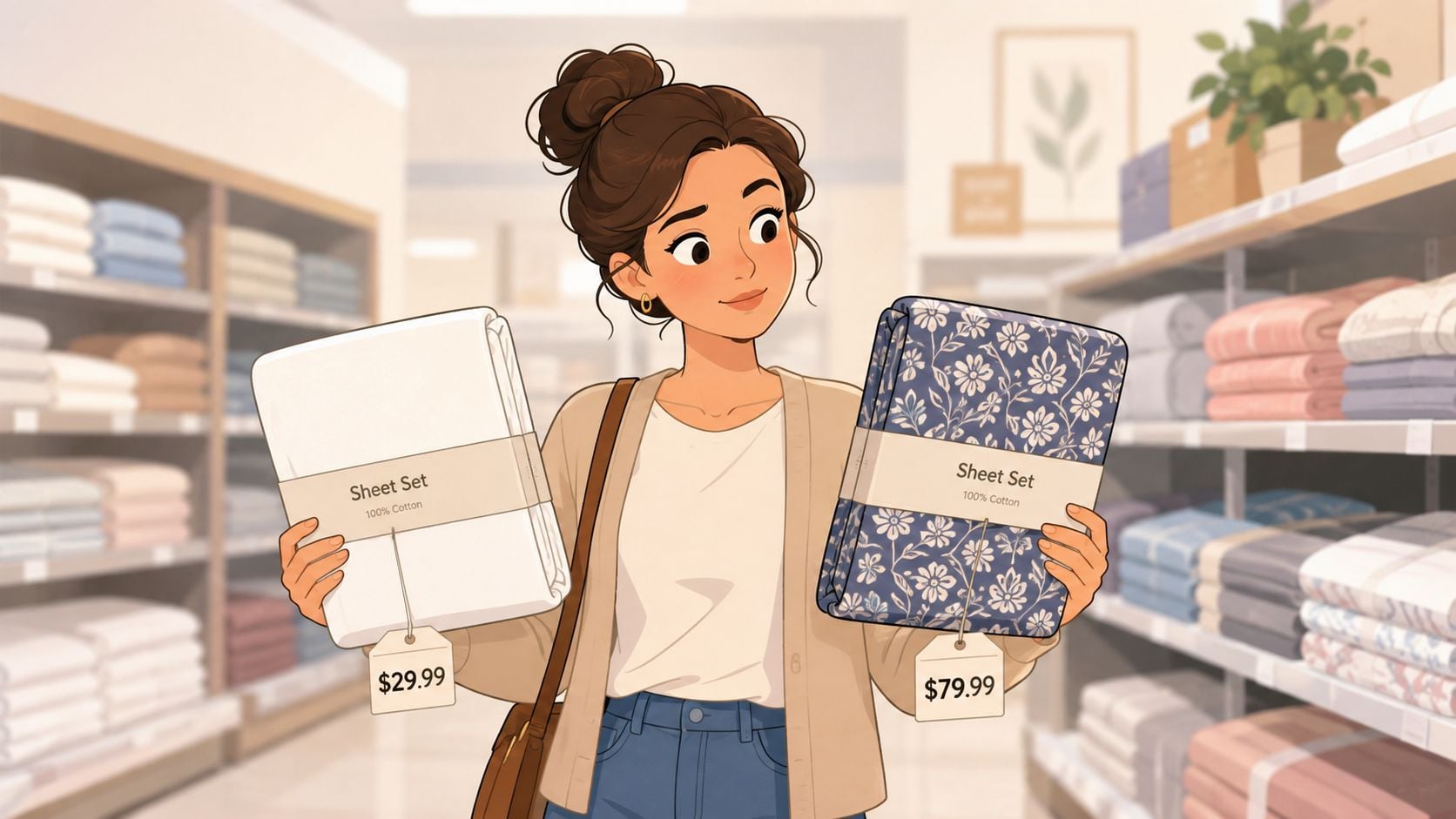
Standing in a bedding aisle can make a sensible person feel a little cross-eyed. Two sheet sets may look almost the same, yet one costs far more, and the difference usually isn't the color or the pattern, it's the fiber, weave, finish, and how the fabric is meant to behave once the bedroom gets warm, cold, or humid.
That's the part most shoppers in the Capital Region get stuck on. A Freehold showroom floor can hold everything from crisp cotton to smooth microfiber, and the labels don't always explain what matters most. The good news is that once a shopper understands the basics, choosing bedding fabric types stops feeling like guessing and starts feeling like comparing apples to apples.
A family-owned showroom has been helping Greater Albany Capital Region shoppers since 1978, and that kind of guidance matters just as much with bedding as it does with furniture. The same patient, local advice that helps people choose a sofa or mattress also helps them sort through sheets, duvet covers, and protectors, especially when the goal is a room that sleeps well, washes easily, and feels right year-round. For a broader look at how the bed, room temperature, and linens work together, this sleep-sanctuary guide fits the conversation well.
Why the Fabric on Your Bed Matters More Than You Think
The easiest way to understand bedding fabric types is to start with the moment most shoppers know well. They're holding two sheet sets that look nearly identical, one feels a little smoother, one feels a little crisper, and the price gap is big enough to make them pause. That difference usually comes from more than marketing, because fiber content, weave structure, and care behavior all change how a bed feels at night.
A bed is personal in a way a dining table isn't. Sheets touch skin for hours, move with body heat, and react to humidity, winter heating, and the kind of mattress underneath them. In Freehold and across the Albany area, that matters because a bedroom may need to handle an overheated July night, a dry January bedroom, or an older farmhouse radiator that never quite behaves the same twice.
The major bedding fabric families most shoppers run into are cotton, linen, bamboo and viscose, microfiber, flannel, and silk. Each one changes the feel of the bed in a different way, and none of them wins every category. Some are chosen for airflow, some for warmth, some for softness, and some for easy care.
Practical rule: Choose bedding the same way a good showroom advisor would, by matching the fabric to the sleeper, the room, and the season, not just the price tag.
A useful way to think about it is this. Cotton and its woven variations are the reference point, linen is the strong temperature-regulating option, microfiber leans easy-care, flannel leans warm, and silk leans delicate and smooth. If a shopper can sort fabric by how it feels in the hand, how it handles moisture, and how much upkeep it asks for, the rest becomes much easier.
That's the same kind of step-by-step thinking used in a showroom conversation, whether the question is a mattress, a comforter, or a full bedroom refresh. It also opens the door to custom fabric choices when a room needs something more specific than a boxed set.
The Major Bedding Fabric Families Explained

A stack of bedding swatches can look simple at first, then suddenly raise a lot of questions. Why does one fabric feel cool right away, another feel soft but warm, and a third seem easy to care for even before it's washed? The answer usually starts with the fiber, but it does not end there. Weave, finishing, and how a room sleeps in humid summers or under old farmhouse heat all shape the result.
Cotton
Cotton is the starting point for many bedding conversations because it feels familiar in the hand and on the body. It is breathable, comfortable, and easy for most shoppers to understand, which is why it often becomes the reference point for comparing other fabrics. In the bedding market, cotton remains the dominant baseline material, and a market estimate placed it at 38.4% of the global bedding fabrics market, equal to about $6.45 billion in revenue, with the total market valued at $16.8 billion and projected to reach $27.4 billion by 2033 at a 6.3% CAGR.
Cotton works because it gives a balanced feel without asking much from the sleeper. It is often the safest place to start for someone who wants bedding that feels natural, handles regular washing well, and does not bring a lot of guesswork into the bedroom.
Care notes
- Washability: Usually straightforward at home with normal bedding care.
- Feel: Softens with use, especially in better-made constructions.
- Watch for: Labels that say cotton but do not explain weave or yarn quality.
Linen
Linen has a different personality the moment you touch it. The texture is more open and relaxed, a little like a well-worn shirt that already knows how to sit comfortably on the body. Linen is valued for handling heat well, and in the source material it evaporates water 30% faster than pure cotton.
That makes linen a sensible choice for sleepers who run warm or live through muggy stretches. It can feel a bit firmer at first, then soften with time, and many shoppers see that as part of its character rather than a drawback.
Care notes
- Washability: Usually manageable at home, though gentler handling helps preserve it.
- Feel: Textured, airy, and naturally relaxed.
- Watch for: Early wrinkling, which many linen buyers expect.
Bamboo and Viscose
"Bamboo" is one of those labels that sounds clear until a shopper reads the details. The fabric may feel silky and smooth, but the central question is how the fiber was processed and whether the set is bamboo-derived viscose or a blended construction. The main appeal is usually softness and a cool hand, not a crisp sheet feel.
Label reading matters here. A shopper should look past the marketing language and ask what the fabric is made from, because the feel, care, and durability can vary widely. If you are also comparing mattress layers, protectors, or comforters, the same label-first habit helps, and our guide to bedding mattress protectors and comforters shows how those pieces fit into the bed as a whole.
Care notes
- Washability: Often machine washable, but care instructions matter.
- Feel: Soft, smooth, and drapey.
- Watch for: Vague labels that do not clearly state fiber content.
Microfiber
Microfiber feels engineered for easy living. It is made from very fine polyester filaments, typically less than one denier, which gives it a smooth surface and a low-fuss feel on the bed. That construction often brings wrinkle resistance and quick drying, which can be useful in guest rooms, kids' rooms, or busy households where laundry needs to move fast (Textile School on microfiber).
The trade-off is airflow. Microfiber's tighter structure usually does not move air as freely as cotton or linen, so it is rarely the first choice for someone who sleeps hot.
Care notes
- Washability: Usually simple and low-maintenance.
- Feel: Smooth, light, and often very soft out of the package.
- Watch for: Too much heat retention if the room already sleeps warm.
Flannel
Flannel is the winter blanket in sheet form. It is built for warmth, and it brings that brushed, cozy feel many cold sleepers look for once the temperature drops. Because it is meant to hold heat, it makes more sense in chilly bedrooms than in rooms that already sleep warm.
That is why flannel tends to fit homes with cold floors, drafty windows, or older heating that never seems to behave the same way twice. It is less about shine and more about staying comfortable through a long cold stretch.
Care notes
- Washability: Regular care usually works, though it can take longer to dry.
- Feel: Soft, fuzzy, and warm.
- Watch for: Pilling, especially if the fabric is handled roughly.
Silk
Silk is the most delicate-feeling option in the group. It is smooth, light, and soft enough that many people notice the texture right away, especially if they are sensitive to skin or hair friction. It also asks for the most careful treatment, which is why it usually sits in the special-care category rather than the everyday one.
Silk suits a sleeper who wants a very smooth surface and does not mind extra upkeep. That is a good reminder that fabric choice is not only about comfort, it is also about how the bed fits the way a household lives.
Care notes
- Washability: Usually requires careful, specialized handling.
- Feel: Very smooth and luxurious.
- Watch for: Snags, stains, and wear from rough treatment.
For shoppers comparing swatches in person, custom ordering can make this process easier because fabric, size, and finish can be matched to the room instead of guessed from a screen. That matters when a bedroom needs a specific feel, especially if the rest of the bedding setup is already doing a lot of work.
A helpful side note for makers and DIY-minded readers, the difference between a neat, finished edge and a sloppy one shows up in home textiles the same way it does in fabric projects. A clear step-by-step guide like these serged and mitered fleece steps shows how much the finish changes the final look and feel, and bedding works the same way.
Weave Structures and What Thread Count Really Means
The mill does more than pick a fiber. It decides how the yarns cross, and that weave changes how a sheet feels, breathes, and sits on the bed. For bedding, shoppers usually hear about percale and sateen, because those two structures create very different sleep experiences.
A useful place to start is the weave itself. Percale and sateen can both use cotton, but the pattern of the yarns changes the hand feel in a way you can notice the moment you touch the fabric. That is why two sheets made from the same fiber can still behave very differently in a bedroom with old farmhouse radiators in January or a humid upstairs room in July.
Percale Versus Sateen
Percale uses a one-over, one-under weave, which leaves more open space for air to move through the fabric. The result is a crisp, breathable sheet that feels cool and clean instead of glossy. Sateen uses a four-over, one-under pattern, which puts more yarn on the surface and gives the fabric a smoother, softer, more lustrous finish.
If you want a closer look at that crisp side of the weave, choose percale cotton sheets. That style usually suits sleepers who want more airflow and a lighter hand feel.
| Attribute | Percale | Sateen |
|---|---|---|
| Weave structure | One-over, one-under | Four-over, one-under |
| Hand feel | Crisp, cool, airy | Smooth, soft, more lustrous |
| General behavior | Better airflow | More surface sheen and drape |
| Common sleep fit | Hot sleepers, warm rooms | People who want a softer, heavier feel |
Good showroom test: If the fabric feels crisp and breathable in the hand, it is usually leaning percale. If it feels smoother and a little more surface-heavy, it is probably sateen.
Why Thread Count Can Mislead
Thread count matters, but it does not tell the whole story. Industry guidance says quality percale and sateen often fall in the 300 to 800 thread-count range, yet real performance depends more on fiber length, yarn quality, and weave structure than on a big number by itself.
A well-made 300 to 400 TC single-ply fabric can outwork a much higher-count sheet made with lower-grade or multi-ply yarn tricks. Numbers pushed well above 400 to 600 can look impressive on a label while adding less comfort than a smarter weave and better fiber.
That is why the label needs a second look. Read the weave first, inspect the fiber second, and treat thread count as a clue, not the final word. If you are matching bedding to changing room temperatures in the Capital Region, that order matters even more. For a practical way to adjust the rest of the bed as the weather shifts, seasonal bedding setup tips can help you pair the right sheet feel with the right layer above it.
Matching Fabric to Season, Climate, and Sleep Style
A fabric that feels pleasant under showroom lights can behave very differently once the room warms up, the radiator kicks on, or a humid night settles in. That is why the question is not just what the fabric is made from, but how its weave and moisture behavior work with the room around it.
Cotton earns its reputation because it breathes well and pulls moisture away from the body. In plain terms, it helps sweat move off the skin instead of trapping that damp feeling under the covers. Linen handles heat differently. Its structure allows air to move through more easily, and that helps it release moisture faster in hot, sticky conditions.
That matters in the Capital Region, where a bedroom can feel dry in February and heavy with humidity by July. The same sheet set will not feel the same in both settings. A fabric that feels airy in a cool room can feel too thin once the weather turns damp, while a denser fabric can start to feel stuffy when the heat lingers overnight.
Microfiber still has its place. People who want easy washing, quick drying, and less wrinkling often like it for those reasons alone. The tradeoff is airflow. It usually gives up some breathability in exchange for that low-fuss finish, so it tends to suit sleepers who value convenience more than a crisp, open feel.
The research on sleep temperature supports what many bedroom shoppers notice for themselves. One study summarized in the literature found that sleeping in wool at 17°C made it easier to fall asleep than cotton, while at 22°C cotton increased the percentage of N3 sleep more than wool (PMC review). A 2024 systematic review also reported material-specific effects, including linen bedsheets improving sleep quality under warm conditions in young adults and goose-down-filled duvets increasing slow-wave sleep under cool conditions in young adults (PMC systematic review).
A simple seasonal match
- Hot sleepers in humid summers: Linen or breathable cotton.
- Cold bedrooms and drafty houses: Flannel or warmer layered bedding.
- People who want easy care first: Microfiber or blends.
- Shoppers who want a balanced year-round default: Cotton, especially percale.
- Anyone buying for a room that changes temperature a lot: Adjust by season instead of forcing one fabric to do everything.
For households that change bedding with the weather, this seasonal setup guide is a useful companion. The better match is usually the one that fits the room's temperature, humidity, and sleep habits, not the one with the fanciest label.
How to Shop for Bedding Fabrics In-Store and Online
A bedding fabric can look perfect on a screen and still feel wrong on a bed. In a showroom, the quickest way to sort that out is to start with your hands, because the label and the finish tell different parts of the story. Hold the fabric, then notice whether it feels crisp, slick, fuzzy, or dense. Those cues usually reveal more than a polished package ever will. Lift it too, since drape and weight often hint at how it will behave once the bed is made.
What to read on the label
- Fiber content: Confirm whether it's cotton, linen, microfiber, or a blend.
- Weave name: Percale and sateen should be stated clearly if they're the selling point.
- Country of origin: Useful when shoppers care about traceability or manufacturing standards.
- Care instructions: If the care label looks complicated, the fabric probably isn't a casual wash-and-go choice.
A label should answer plain questions. What is it made of, how is it woven, and how much effort will it ask for after laundry day? Those details matter because a smooth sateen cotton, a crisp percale cotton, and a brushed microfiber can all sound similar in a product listing while behaving very differently at bedtime.
The same reading habit helps online, where photos can hide texture and finish. A shopper comparing two sets should also check mattress depth before ordering, because the wrong fit can make a good fabric feel like a poor purchase. If color is part of the decision, use a guide like how to avoid color mismatch when ordering bedding online so the shade you expect is closer to the shade that arrives.
Room planning helps too, especially for duvet cover sizing, mattress depth, and coordinated bedroom pieces. Families who want to refresh an entire room can also use Tip Top Furniture & Mattresses' custom ordering across furniture and bedding-related needs through a wide manufacturer network, which makes it easier to match size and finish without settling for a close enough option.
The online checklist stays simple. Touch if possible, read the fiber label, verify the weave, and ask how the set is meant to feel after washing. If a set sounds too good to be true, the label usually tells a more honest story than the display card.
Two questions are worth asking any associate, in Freehold or anywhere else:
- What fiber and weave is this, exactly?
- How will it feel after a few washes, not just out of the package?
- Is this a better pick for airflow, warmth, or easy care?
Those questions cut through the noise fast. They also help a buyer compare ready-made sets on the floor with a custom order that can be matched more closely to the room.
Common Bedding Myths Worth Leaving Behind
A lot of bedding advice survives because it sounds neat, not because it's accurate. The biggest myth is that higher thread count always means better sheets, which isn't how fabric works. As covered earlier, a well-made 300 to 400 TC single-ply percale can beat a much higher-count sheet built from lower-grade or multi-ply yarns.
Another common assumption is that Egyptian cotton is automatically the best cotton. Good Egyptian cotton can absolutely be excellent, but the useful question is whether the cotton is long-staple, traceable, and well constructed, not whether the packaging says a luxury word. The same caution applies to Supima and other named cottons, because the label should be doing more than sounding expensive.
The third myth is that microfiber is always the cheap option. Quality varies widely there, and modern microfiber can be a smart fit for dorm rooms, guest rooms, and kids' rooms when easy care matters more than maximum breathability. In practice, the right choice depends on the sleeper and the room, not a blanket ranking.
Worth remembering: Good bedding doesn't need to be the most expensive. It needs to be the best match for the way the bed gets used.
A shopper can also skip marketing fluff by looking for clear fiber identification and honest construction details. If a label leans on vague luxury language but won't explain weave, yarn, or source, that's a cue to keep looking.
Putting It All Together for Your Best Night's Sleep
A sensible default for many homes is a long-staple cotton percale in the 300 to 500 TC range. It gives a strong balance of breathability, durability, and everyday comfort without overcomplicating the choice. From there, the decision shifts based on sleeper needs, not trends.
Linen makes sense for hot rooms and humid summers. Flannel belongs in colder bedrooms and homes that need extra warmth. Silk fits a more delicate, smooth-feel preference, while microfiber works better when easy care and wrinkle resistance matter more than airy breathability.
That's the same kind of matching used in furniture and mattress selection, and it's one reason a family-owned showroom with professional design services can be useful beyond the big pieces. Tip Top's design consultants have been helping Capital Region homes since 1984, and bedding fits naturally alongside mattress selection, bedroom layout, and finish choices. For shoppers building out the whole room, the Bedroom 101 guide is a helpful next stop.
The easiest next step is simple. Choose the fabric based on the room's temperature, the sleeper's habits, and how much care the household is willing to give it. Then compare a few swatches in person so the hand-feel matches the label.
Frequently Asked Questions About Bedding Fabric Types
Are bamboo sheets really cooler than cotton? Not always. Bamboo-derived fabrics can feel soft and smooth, but “cooler” depends on the exact construction, weave, and room temperature, so a breathable cotton percale can still be the better everyday pick for airflow.
How often should different fabrics be washed? The answer depends more on use than on the fabric family alone. Sheets used every night need regular washing, while guest-room sets or backup bedding can go longer between washes, as long as they're stored clean and dry.
Does thread count matter at all for a child's room or guest room? It matters some, but less than comfort, durability, and easy laundering. For those rooms, a sensible weave and solid fiber quality usually matter more than chasing a big number.
What if one sleeper runs hot and the other runs cold? Split the difference with a balanced cotton fabric, then layer for flexibility. That way, the bed can stay breathable for one person and still be warmed up with blankets for the other.
Tip Top Furniture & Mattresses helps Capital Region homeowners choose bedding, mattresses, and bedroom pieces with the same local, family-owned care the store has offered since 1978. For fabric guidance, custom orders, financing, and a showroom visit in Freehold, explore Tip Top Furniture & Mattresses and bring the room questions with you.