Good Quality Mattresses for Cheap: A 2026 Buyer’s Guide

A lot of mattress shoppers in the Capital Region are in the same spot right now. The old mattress is bothering a shoulder, waking up a partner, or sagging just enough to make every morning feel longer than it should. But the budget isn't open-ended, and the online deals all start to look the same after a while.
That's where many people get stuck. A low price can be a smart buy, or it can be a fast path to replacing the mattress again sooner than expected.
For families shopping from Albany, Schenectady, Troy, and throughout the greater Capital Region, the better approach is to judge value the way an experienced local showroom would. After more than 45 years serving Upstate New York from Freehold, NY, one lesson stands out. Good quality mattresses for cheap do exist, but they rarely reveal themselves through price alone. Construction, support, trial terms, and how the bed feels under your body matter far more.
Table of Contents
- Decoding Mattress Quality Without a High Price Tag
- What Should a Good Cheap Mattress Cost in 2026
- Smart Strategies to Save on Your Next Mattress
- The Right Way to Test a Mattress in the Albany Area
- Your Buyer Checklist for the Perfect Mattress
- Frequently Asked Questions About Affordable Mattresses
Decoding Mattress Quality Without a High Price Tag
A mattress doesn't need a luxury price to be built well. What matters is whether the materials and design match the sleeper's needs and whether the bed holds up under regular use.
Start with the build, not the buzzwords
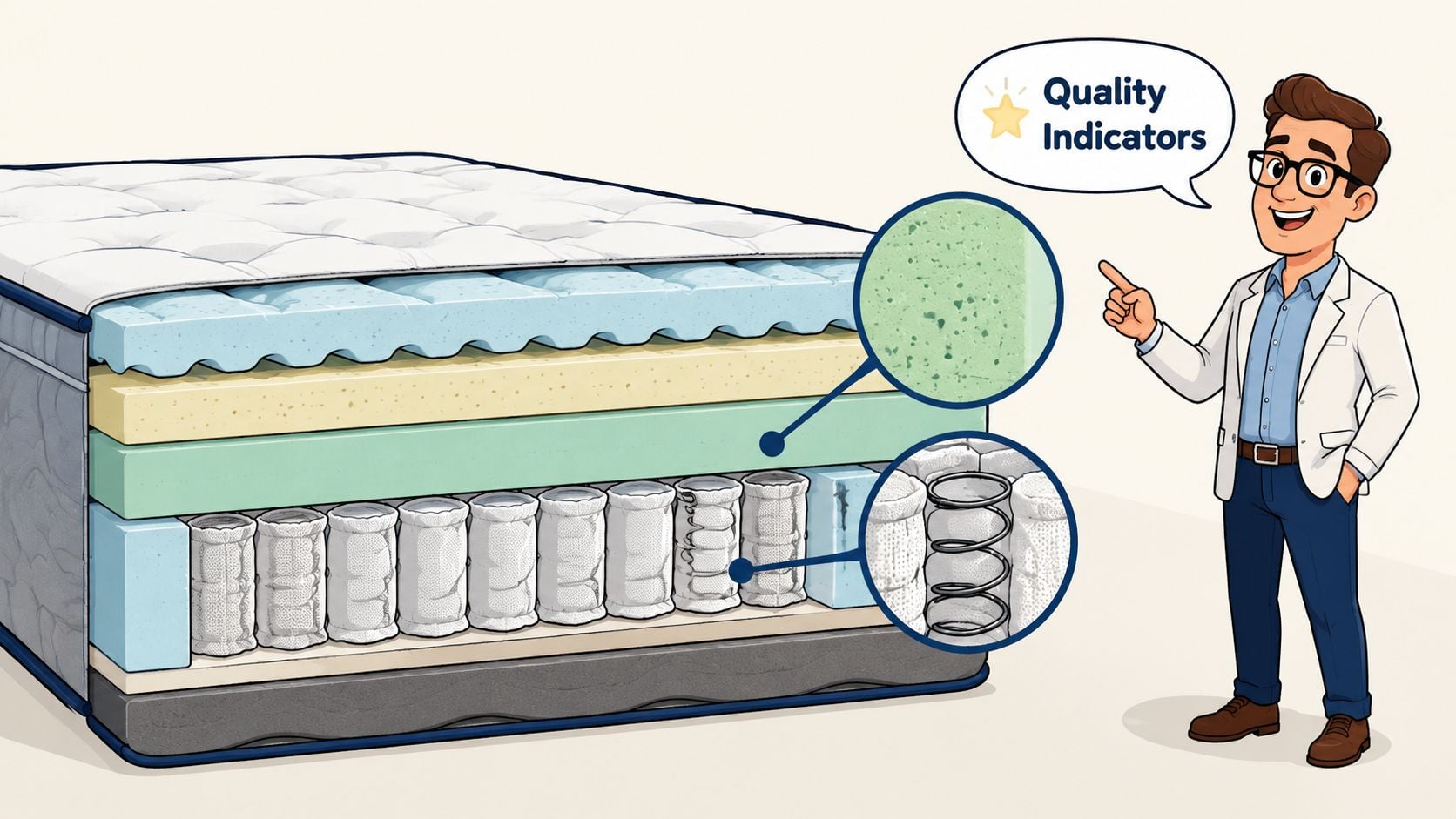
Most affordable mattresses fall into a few broad constructions. Memory foam usually gives more contour and pressure relief. Hybrids combine foam comfort layers with a coil unit underneath, which often creates a more lifted, easier-to-move-on feel. Traditional innerspring styling can still work for some sleepers, but the useful question isn't what label is on the tag. It's how the bed is put together.
A practical way to evaluate a mattress is to break it into parts:
- Top comfort layers: These affect pressure relief at the shoulders, hips, and lower back.
- Middle transition layers: These keep the body from sinking too abruptly into the bed.
- Support core: This is the part that does the heavy lifting over time, whether it's dense foam or a coil system.
- Edge feel: If the perimeter collapses too easily, the bed can feel smaller and less stable.
Higher coil count also doesn't automatically mean better quality. A well-built support unit with balanced comfort layers can outperform a bed that advertises a big number but feels uneven or too soft in the wrong places.
Practical rule: Judge the whole mattress, not one flashy spec. Support, comfort, edge feel, and consistency matter together.
Shoppers who want a clearer foundation before visiting a showroom can use this guide on what to look for when buying a mattress.
Quality signs that matter in affordable beds
The strongest affordable mattresses usually show quality in ways that are easy to verify. They feel stable when changing positions. They don't bottom out at the edge the moment someone sits down. They also come from manufacturers willing to stand behind the product.
That last point matters more than many shoppers realize. A key way to judge a cheap but good-quality mattress is to check the trial and warranty. Many affordable models under $700 for a queen still include a 120- to 365-night sleep trial and 10- to 15-year or lifetime warranties, which shows that better budget brands stand behind their products, as noted in this expert video review of affordable mattress protections.
Here's what usually works well in budget-friendly shopping:
- Foam for pressure relief: Good for sleepers who want more cushioning at the shoulders and hips.
- Hybrids for easier movement: Often a better fit for couples or people who dislike the deep “hug” of all-foam beds.
- Balanced firmness: The safest affordable picks usually avoid extremes. Too plush can lose support. Too firm can create pressure points.
What often doesn't work is shopping only by discount language. “Cheap” on a sign can describe price, but it says nothing about support, durability, or comfort. That's why many long-time mattress buyers in the Albany area still prefer lying on the bed first instead of trusting packaging and promotion alone.
A well-chosen value mattress should feel intentional, not temporary. In a family-owned store environment, the goal isn't to chase the lowest tag. It's to find the mattress that still feels right after the excitement of the sale wears off.
What Should a Good Cheap Mattress Cost in 2026
A couple walks into our showroom in the Capital Region with a number already in mind. They want to stay under $1,000, but they do not want to be back shopping again in two years. After more than 45 years helping local families buy on a budget, that is the key question behind the price. How low can you go without buying short-term comfort and long-term frustration?
For a queen mattress, a practical target for good quality mattresses for cheap usually falls between entry-level pricing and the edge of the midrange. Independent testers reviewing affordable queens have listed budget picks from roughly the low hundreds up to just under $1,000, with many of the strongest everyday values clustering in the middle of that span, according to this independent affordable mattress pricing guide.
That middle band is where many shoppers should spend their time.
Very low price points can work for a guest room, a college apartment, or a short-term setup. For nightly use, the better value often comes from spending enough to get steadier support, a more durable comfort layer, and fewer compromises in the base of the mattress. On the other side, paying more only makes sense if the sleeper can feel and use the upgrade.
Here is the way that pricing usually shakes out in the store:
| Price area | What it often means |
|---|---|
| Lower end of the range | Best for temporary use, guest rooms, or shoppers willing to be very selective |
| Middle of the range | Often the strongest value for primary-bedroom use |
| Upper end of the cheap range | Better fit for shoppers who want more comfort refinement without stepping into premium pricing |
Size changes the math fast. Queen is still the easiest size to shop for value because more models are built and promoted in that size. Kings under $1,000 do exist, but they are less common, and the selection tends to tighten once shoppers start asking for stronger edge support, better motion control, or a hybrid build. Consumer guidance from a major sleep foundation reflects that pattern in larger-size budget shopping, especially once discounts end and regular pricing returns, as explained in this budget mattress buying guide from Sleep Foundation.
That is one reason local shopping still matters. Online pricing can make a mattress look like a bargain until the sleeper lies down and feels weak edge support, uneven pressure relief, or a comfort layer that is thinner than expected. In a family-owned store, shoppers can compare those trade-offs in person, ask what changed to hit the lower price, and sometimes find better value in closeouts, floor samples, or American-made mattress brands that were built to last, not just priced to click.
Cheap should describe the budget, not the experience of sleeping on it.
Smart Strategies to Save on Your Next Mattress
The shoppers who save the most money long term usually aren't the ones who buy the cheapest bed first. They're the ones who buy carefully once.
Where real savings usually come from
A smart savings plan starts with flexibility. If the shopper is open to a few comfort levels, a couple of constructions, and a small window for delivery, the options improve quickly.
The most reliable ways to save are usually these:
- Shop promotional periods: Seasonal sale windows often pull better mattresses into reach.
- Ask about clearance inventory: Clearance can include discontinued fabrics, prior-floor inventory, or closeout models that are still a strong fit.
- Look at floor samples carefully: If a floor model is available, inspect edge condition, cover wear, and overall support before deciding.
- Buy for the sleeper, not the ad: The wrong mattress at a lower price is still wasted money.
Some shoppers also save by shopping locally instead of replacing a mistake later. In the Freehold showroom, the best time to buy furniture often overlaps with broader home sale cycles, which can help budget-minded families in Albany and the surrounding Capital Region plan larger purchases more strategically.
A bargain mattress only stays a bargain if it still feels supportive after the first few weeks.
When financing makes sense
Financing isn't automatically the right answer, but it can be the practical answer. If the choice is between a mattress that feels barely acceptable today and one step up that noticeably improves support and comfort, spreading the cost can make the better construction affordable without forcing a shopper into a poor fit.
That matters most when the sleeper has a clear need. Couples often need better motion control. Some side sleepers need more pressure relief than the cheapest models can provide. Heavier sleepers may need a sturdier feel than the lowest-cost beds usually deliver.
This is one of the few places where a local family-owned store has an advantage national list articles usually miss. A shopper can compare the comfort difference in person, ask about delivery, ask about setup, and decide whether the monthly payment makes the stronger option more realistic. Tip Top Furniture & Mattresses offers financing as one option in that process, alongside sale inventory and clearance shopping, which gives local customers more than one path to staying on budget.
The Right Way to Test a Mattress in the Albany Area
A shopper from the Capital Region can spend an hour comparing low online prices and still learn less than they will in ten careful minutes on the right showroom floor. After 45 plus years helping local families choose mattresses, we have seen the same pattern over and over. The shoppers who test a bed with a plan usually avoid the expensive mistake of buying something that feels fine for thirty seconds and wrong after a full night.
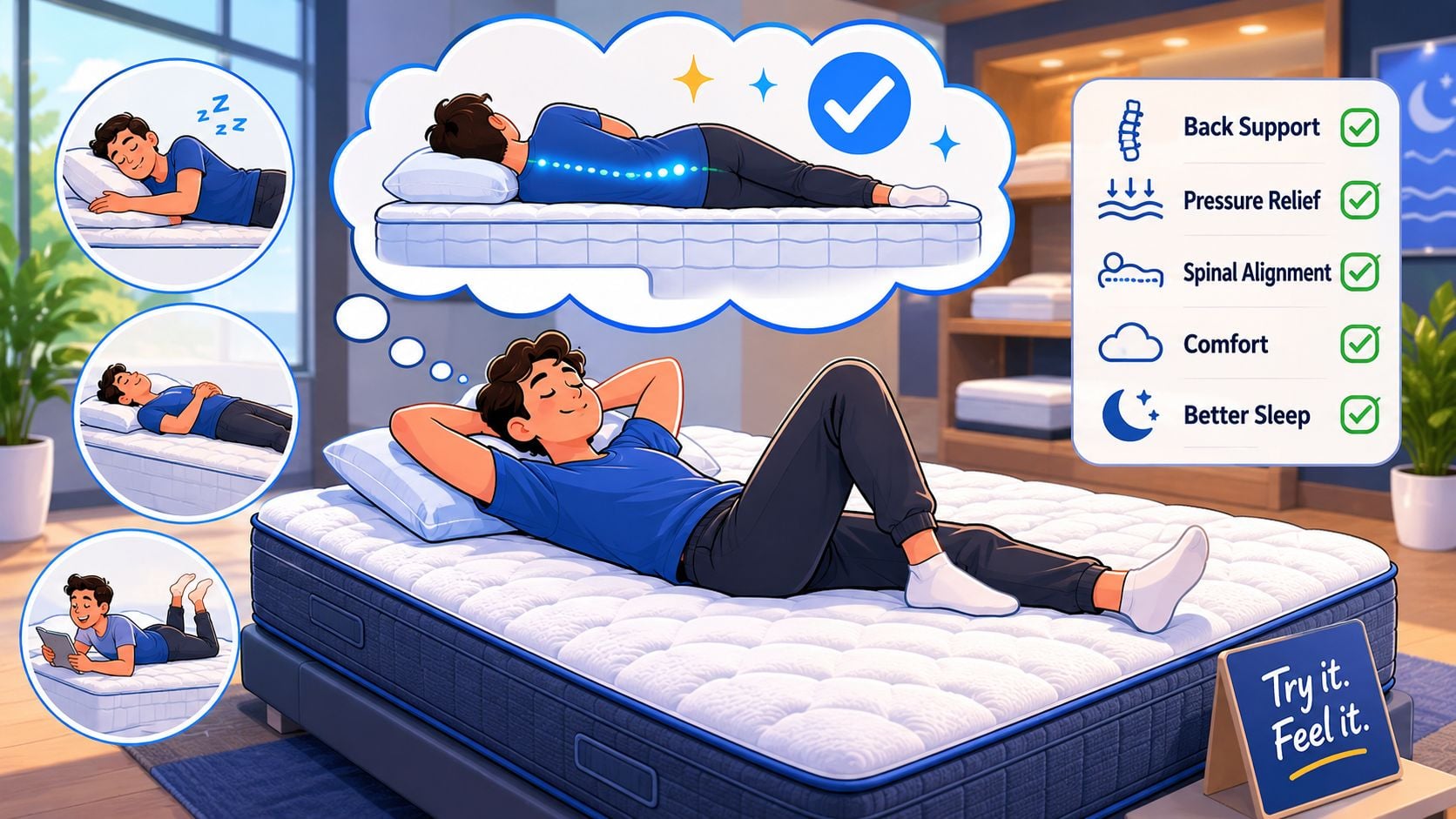
How to test support the right way
Start by lying down the way you sleep. A side sleeper should stay on the side long enough to feel the shoulder and hip settle in. A back sleeper should pay attention to whether the lower back feels supported or slightly suspended. Stomach sleepers should notice right away if the midsection dips too far.
Give the mattress a few minutes. Foam and quilt layers need time to compress under real body weight, and your body needs a moment to notice pressure points, numbness, or strain.
Then change positions once or twice. A mattress can feel comfortable when you are still and awkward when you turn. That trade-off matters for combination sleepers and couples who move during the night.
Finish with the edges. Sit near the side, then lie close to the perimeter. If the edge collapses, the mattress may feel smaller than it looks, especially for couples sharing a queen.
In-person testing matters most for shoppers whose needs are less forgiving. Heavier sleepers often need stronger pushback than an entry-level model can deliver. Couples need to judge motion transfer with both people on the bed. Anyone shopping for a guest room sofa bed should also consider how the mattress will feel for short-term visitors as well as regular use. For ideas on how to improve guest comfort with a new mattress, that guide can help frame the comfort questions before you shop.
Who needs extra attention during testing
Certain sleepers should slow down and be more selective.
- Side sleepers: Check for pressure at the shoulder and hip after a few minutes, not just on first contact.
- Back sleepers: Look for even support through the lower back without a forced arch.
- Couples: Test motion transfer together. One person should turn or get in and out while the other stays still.
- Heavier sleepers: Focus on stability, edge hold, and whether the bed keeps the body lifted instead of letting it sink too much.
- King-size shoppers: Ask whether the feel changes by size, because support can shift across a larger surface.
The right mattress keeps your body in good alignment and still feels comfortable enough to sleep on every night.
A local store gives shoppers something a national affiliate article cannot. You can test two similar price points back to back, ask how they tend to hold up, and get guidance based on how people in the Albany area shop and sleep. At Tip Top Furniture & Mattresses, many customers start with a few questions from our mattress shopping guide for comparing support and comfort before they visit Freehold, which makes the showroom test more useful and a lot less guesswork.
Your Buyer Checklist for the Perfect Mattress
A checklist keeps the shopping trip focused. It also prevents one soft first impression from overruling the details that matter later.
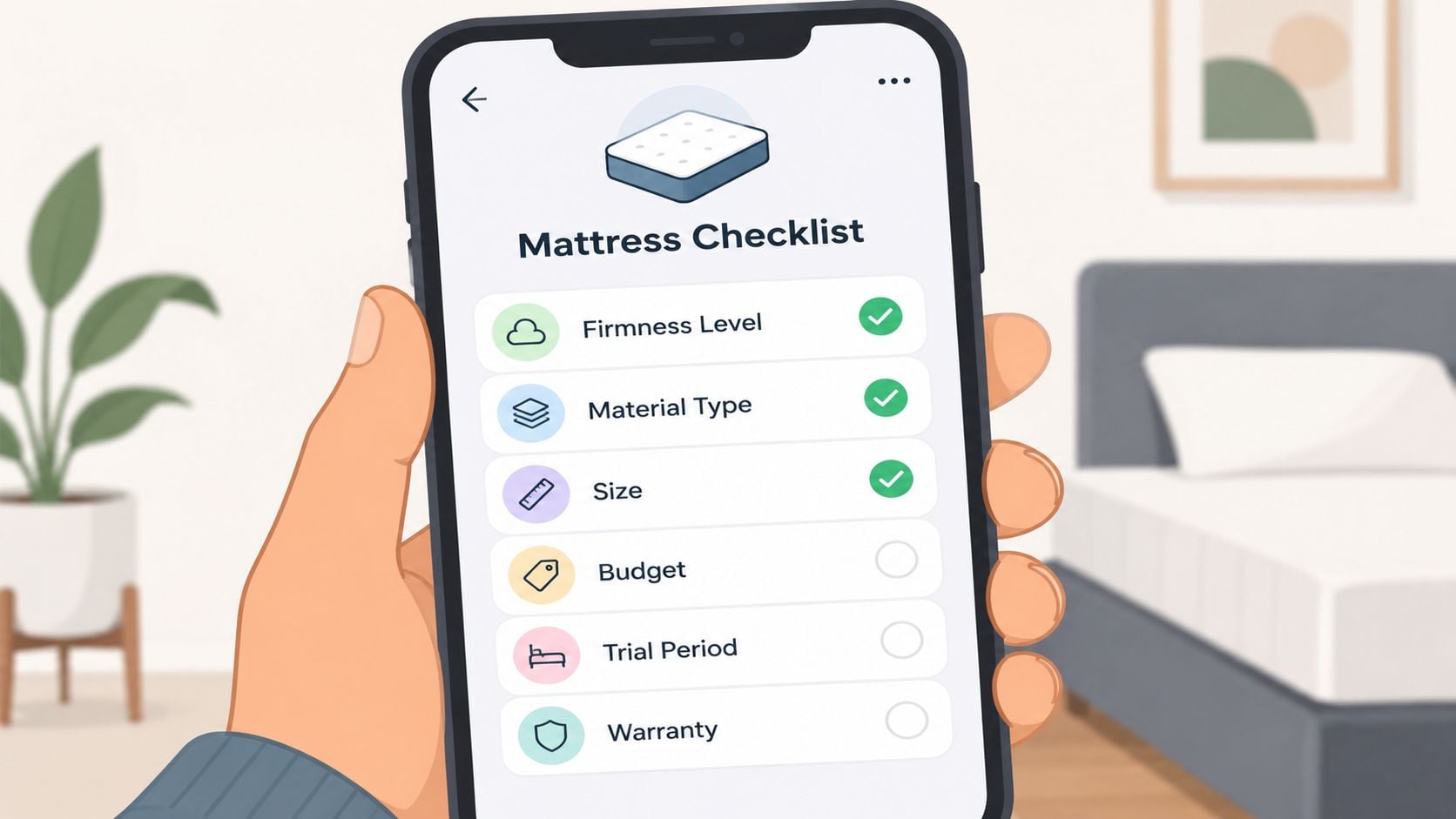
The showroom checklist to keep on your phone
Use this list while shopping in Freehold or anywhere around the Capital Region:
- Set the budget first: Decide the target range before looking at fabrics, toppers, or add-ons.
- Match the mattress to the sleeper: Side, back, stomach, solo, couple, guest room, or everyday use all change the right choice.
- Test top contenders long enough: A quick sit doesn't count. Lie down and change positions.
- Ask for the protection terms: Trial and warranty tell a lot about how much confidence the maker has in the mattress.
- Ask where it's made: Many shoppers prefer USA-made options for consistency and long-term value.
- Review delivery and setup: Convenience matters, especially when replacing an old mattress quickly.
- Discuss payment options: Financing can make a better fit easier to manage.
For shoppers who are also updating a guest room or dual-purpose space, it can help to read outside advice on how to improve guest comfort with a new mattress, especially when a sofa bed or occasional-use sleeping setup is part of the plan.
What to ask before you buy
A few direct questions can save a lot of regret later.
Local buying note: If a mattress feels good but the firmness description sounds vague, ask what kind of sleeper it usually fits and what changes in larger sizes.
Questions worth asking include:
- How would this feel for a side sleeper or back sleeper?
- Does the edge stay supportive under regular use?
- Is this mattress better for one person or two?
- What happens if the comfort doesn't feel right after sleeping on it?
- Would a firmer or softer version suit the same budget better?
Shoppers who want a clearer read on comfort levels before visiting can use this mattress firmness guide to narrow down likely fits.
Frequently Asked Questions About Affordable Mattresses
Questions often get more specific near the end of the buying process. That usually means the shopper is getting serious and wants to avoid an expensive mistake. In our Capital Region showroom, that is often the point where a family stops talking about “cheap” and starts asking what will still feel good and hold up a few years from now.
Is memory foam still the lowest-cost option
Often, yes. Memory foam usually sits at the lower end of the price range, which is one reason many budget shoppers start there. Some people do very well with it, especially if they want pressure relief and a closer, contouring feel.
Price alone should not make the decision. A lower-cost memory foam bed can feel comfortable in the showroom but sleep warmer, recover more slowly when you change position, or feel less supportive at the edge. Shoppers who want easier movement or a more lifted feel often do better with a basic hybrid, even if it costs a bit more upfront.
Are clearance and floor models worth considering
Yes, if the discount is tied to the right reason.
Clearance mattresses can be a smart buy when a model is leaving the lineup, the cover has minor cosmetic marks, or the store is making room for new inventory. In those cases, the value can be strong. That is very different from buying a mattress because it is the cheapest thing in the room.
Floor models need a closer look. Ask how long they were on display, whether any warranty or comfort coverage still applies, and whether the savings are enough to justify the trade-off. For a guest room, a floor sample can make sense. For a main bedroom, many shoppers decide a new mattress with full protection is the safer use of the money.
Why do shoppers still look for USA-made mattresses
For many households, it comes down to trust and consistency. They want clearer information about how the mattress was made, what materials are inside it, and who stands behind it if something goes wrong.
We hear that often from shoppers across Albany, Troy, Schenectady, and the surrounding towns. After more than 45 years as a family-owned local store, we have seen that many people are less interested in chasing the lowest online price than in getting a mattress they can try in person, ask questions about, and count on for daily use. That local, hands-on process helps narrow the field quickly, especially when budget and comfort both matter.
Affordable should still mean dependable. A well-chosen mattress should solve a problem for your household, not create another one six months later.
If a new mattress is on the list this season, Tip Top Furniture & Mattresses is a practical place to compare options in person for shoppers from Freehold, Albany, Schenectady, Troy, and the wider Capital Region. The showroom offers mattresses, bedroom furniture, clearance opportunities, delivery options, and financing support, so families can sort out comfort, budget, and timing in one stop.