Antique Wood Jewelry Box: A Buyer’s & Owner’s Guide

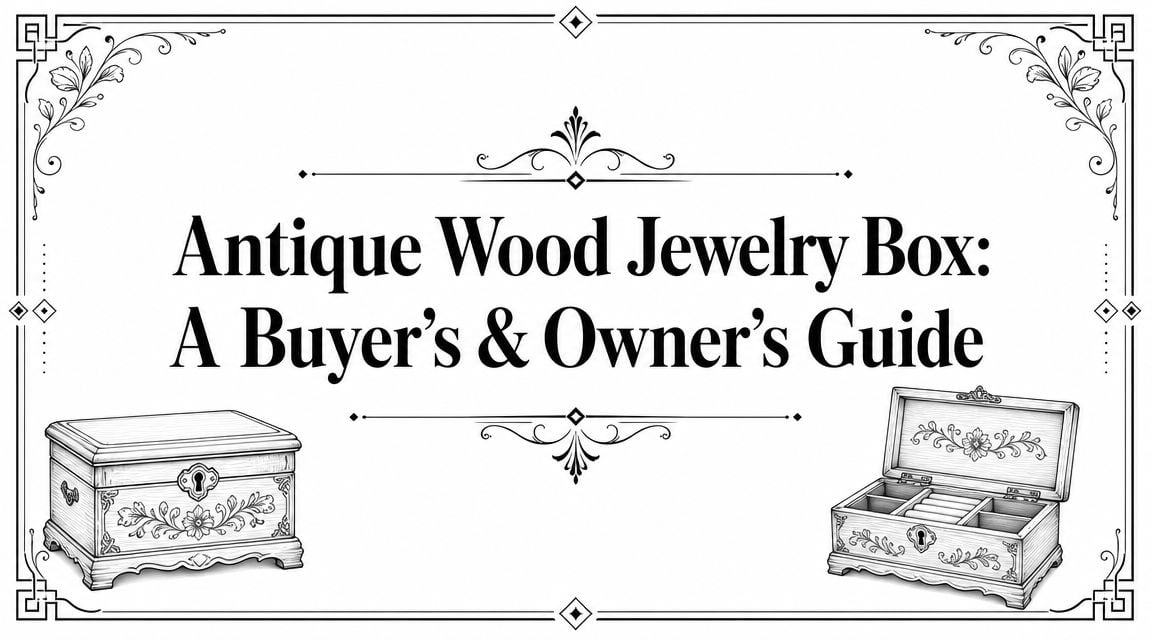
A lot of homeowners in the Albany Capital Region run into the same moment. A small wooden box turns up in an attic, on a family dresser, or at a weekend estate sale, and it looks too well-made to ignore. The lid feels solid. The hinges still move with purpose. The inside lining may be worn, but the piece has character that newer storage often lacks.
That's where confusion usually starts. Is it antique, or just old? Should it be cleaned, repaired, or left alone? And if someone loves that old-world craftsmanship but doesn't want to gamble on an unknown piece, where can that same sense of lasting quality still be found today in Freehold, Albany, Schenectady, Troy, and the surrounding area?
Table of Contents
- The Enduring Charm of a Wooden Treasure Box
- How to Identify an Antique Wood Jewelry Box
- Understanding the Value of Your Find
- Gentle Care and Restoration for Wood Antiques
- When to Call a Professional Restorer near Albany
- Creating a Modern Heirloom with Tip Top Furniture
The Enduring Charm of a Wooden Treasure Box
A wooden jewelry box often earns affection before anyone knows its age. A scuffed lid, a faded velvet tray, or a tiny working lock can make a person stop and wonder who owned it before. In older homes around Greene County and across the Capital Region, pieces like these often survive because they were built to be handled, opened, moved, and kept.
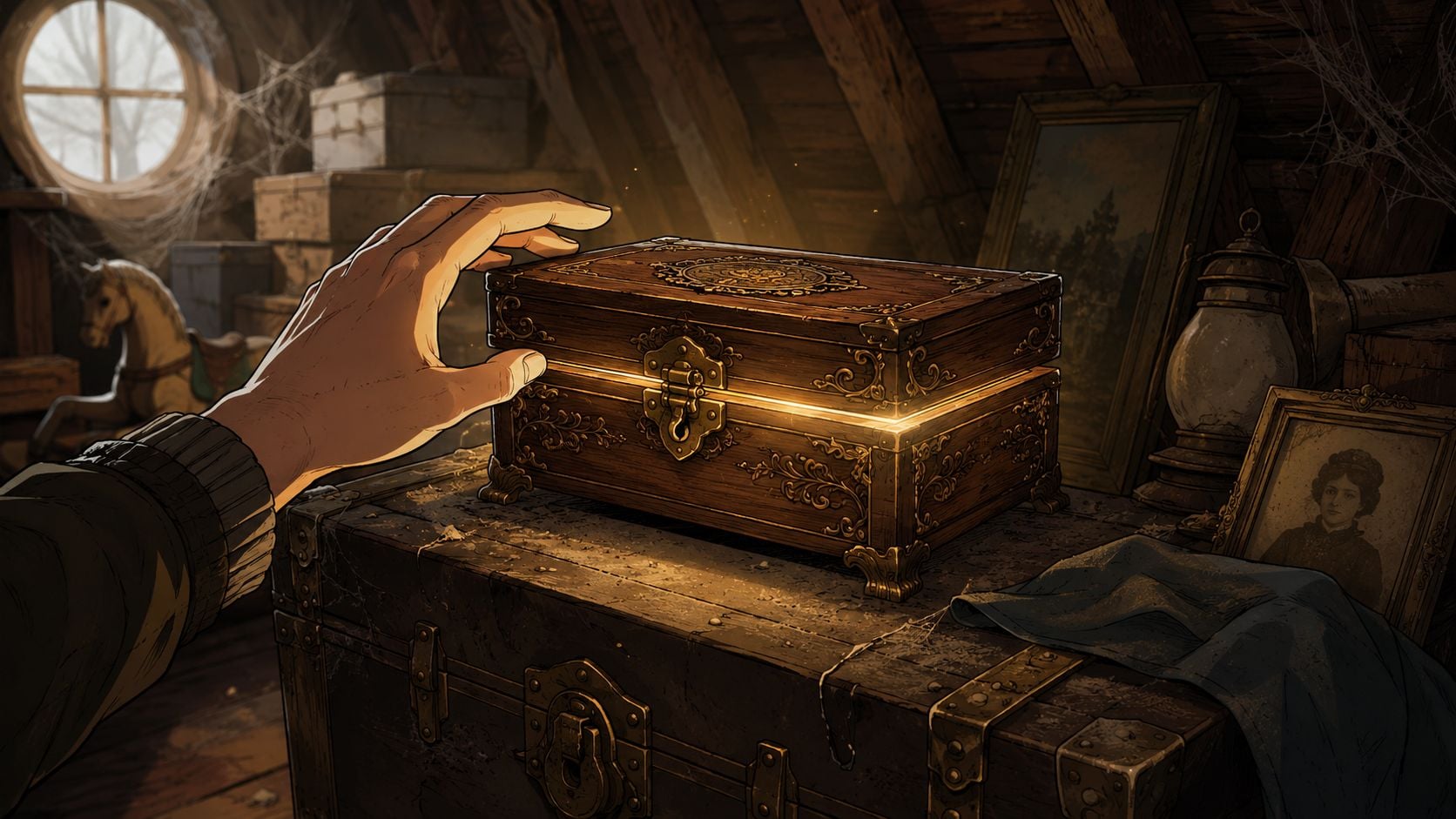
That appeal isn't only about nostalgia. It comes from visible craftsmanship. People notice when corners fit tightly, when wood grain continues across a panel, and when the box has enough weight to sit firmly instead of sliding around like a lightweight gift-shop piece. Those are the same signs furniture buyers still look for when they want something that lasts.
Practical rule: A jewelry box becomes memorable when it does two jobs at once. It stores valuables well, and it shows the maker cared about the details.
Many homeowners also like the scale of these boxes. They're small enough to live on a bedroom chest or vanity, yet detailed enough to feel like furniture in miniature. That makes them a useful teaching piece. By studying one antique wood jewelry box, a buyer can learn a lot about joinery, wood selection, finish quality, and honest wear.
For families furnishing homes near Albany or visiting a showroom in Freehold, that's a valuable habit. Antique pieces train the eye. They help buyers tell the difference between something made quickly and something made to stay in the family.
How to Identify an Antique Wood Jewelry Box
A careful identification starts with observation, not polishing. Rushing to clean a box can hide some of the very clues that help you date it and judge its quality. Original finish, old hardware, faded lining, and honest wear often say more than a glossy surface ever will.
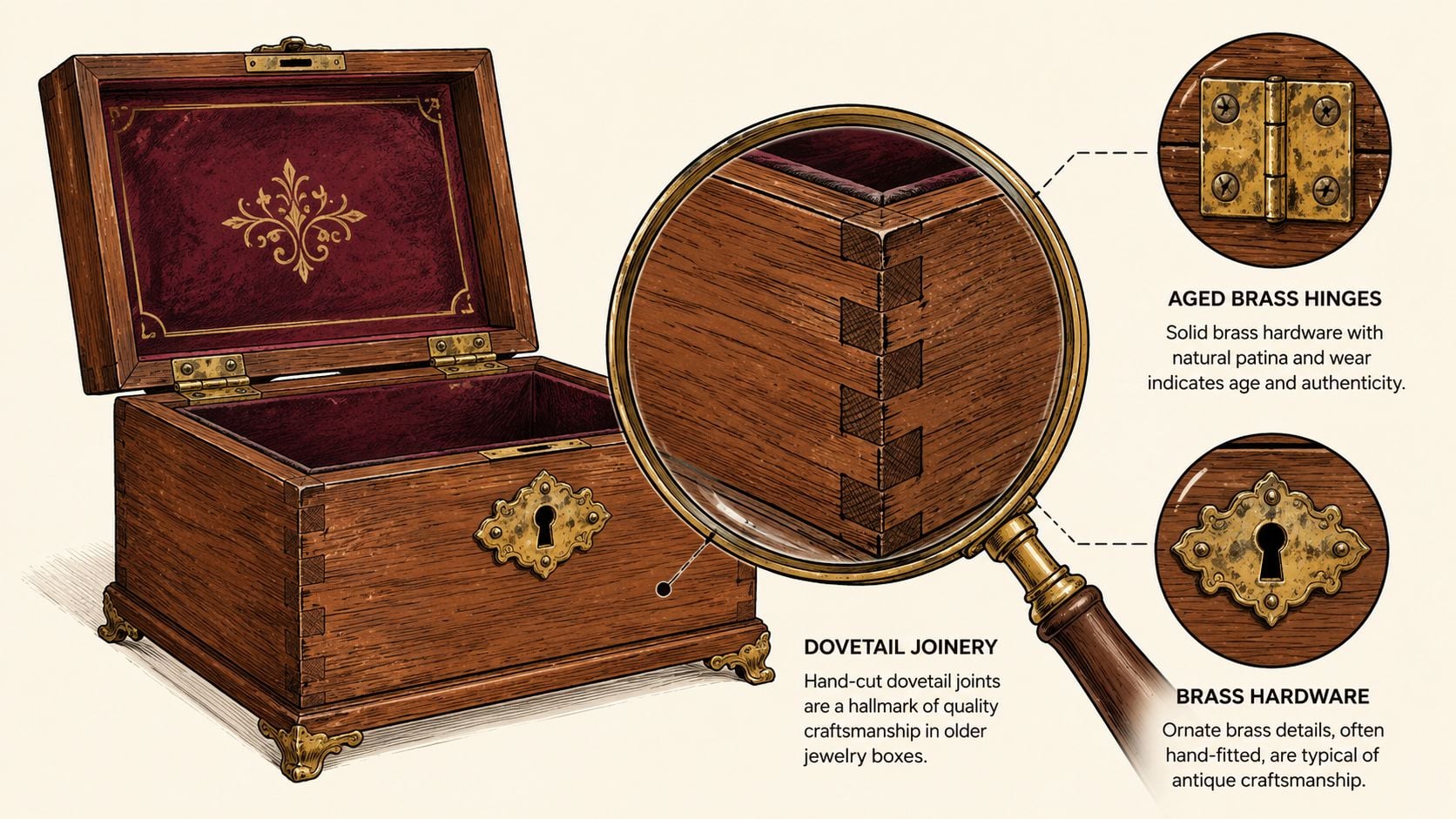
Set the box on a table in good daylight and study it the way a cabinetmaker would. Look at it closed. Open it slowly. Turn it over. Run your hand along the corners and edges. A good antique jewelry box usually reveals itself in layers, much like an old chest or sideboard. The first look gives you style. The second look gives you construction. The third look often gives you the truth.
For readers who enjoy the hunt at estate sales and auctions, this guide on how to find hidden antique treasures offers helpful context on spotting pieces worth a second look.
Reading the Wood Grain
Start with the wood itself. Species, grain pattern, and color can point you in the right direction, though they never prove age by themselves.
A few common examples help:
- Mahogany often has a warm, reddish-brown depth and a more formal appearance.
- Oak usually shows a stronger, more open grain that reads sturdy and practical.
- Walnut often looks darker and softer in character with a mellow tone that ages gracefully.
The important part is consistency. If the wood looks old but the finish looks fresh and plastic-like, something has changed. If the exterior wood is more refined than the interior trays or dividers, that can be normal. Better makers often put their best material where the eye lands first.
This is one reason antique boxes are such good teachers. They show, in miniature, the same decisions a fine furniture maker makes on a larger piece. Homeowners who want to sharpen that eye can see the same principles in this guide to what to look for when buying chests, dressers, and cabinets.
Decoding Construction Styles
Construction usually gives clearer answers than decoration. A flashy inlay pattern can be copied. Good joinery is harder to fake well.
Turn the box over and inspect the corners first. Then check the lid, bottom, trays, and any small drawer runners inside. You are looking for signs that the piece was built with care rather than assembled as a novelty item.
Look for details like these:
- Dovetail joints often suggest stronger, more deliberate construction.
- Slight irregularity in hand-cut work can be a good sign, especially on older pieces.
- Heavy use of staples or crude nails may point to lower-quality construction or later repair work.
- A fitted bottom panel usually tells you more than a thin panel tacked in place.
The corners usually tell the truth long before the finish does.
Examining Hardware and Linings
Hardware confuses plenty of buyers because it is one of the easiest things to replace. Hinges, locks, escutcheons, and pulls may be original, or they may have been swapped out fifty years later by someone who wanted the box usable again.
Ask a few practical questions as you inspect:
- Do the hinges sit neatly in their recesses? Clean fitting often suggests they belong there.
- Are the screw holes worn in a way that matches the rest of the box? Fresh holes can point to replacement.
- Does the lock fit the opening properly? A mismatched lock plate often looks slightly off once you slow down and inspect it.
- Does the lining show believable wear? Ring slots, tray bottoms, and bracelet areas usually wear first.
Bright brass on a heavily worn box deserves a second look. So does spotless velvet inside a piece with obvious age on the outside. Neither detail proves a problem on its own, but each one invites closer inspection.
Searching for Maker's Marks
Marks can help, but they are only one part of identification. Some antique boxes carry paper labels, retailer stamps, pencil notes, or impressed marks under the base or inside the lid. Many have nothing at all.
Check these areas carefully:
- The underside
- Inside trays or small drawers
- The back edge of the lid
- Under removable fabric or felt panels
A label can connect a box to a shop, a region, or a period style. Still, an unmarked piece can be well made and genuinely old. In my experience, the strongest identifications come from several small clues agreeing with each other: the wood, the joinery, the wear, the hardware, and the interior materials.
That same lesson matters when people shop for new heirloom furniture today. Antique boxes teach you what lasting workmanship looks like. A modern custom piece built with honest materials and careful joinery carries that tradition forward, which is exactly why well-made Amish and custom furniture appeals to families who want tomorrow's heirlooms instead of disposable pieces.
Understanding the Value of Your Find
A customer will sometimes bring in a jewelry box from a grandparent's dresser and expect the oldest-looking piece in the room to be the most valuable. Then we set it beside a younger box with cleaner lines, tighter joinery, and an untouched interior, and the lesson becomes clear fast. Value follows quality, condition, and originality working together.
Age still matters. It does not work alone.
A useful way to judge an antique wood jewelry box is to see it as both a crafted object and a survivor. Fine work gives it appeal. Honest preservation gives it staying power. If either side is weak, value usually softens.
What Usually Matters Most
| Factor | Why it matters |
|---|---|
| Condition | Cracks, warping, replaced parts, and aggressive refinishing can reduce appeal and buyer confidence |
| Craftsmanship | Clean joinery, balanced proportions, and careful details usually hold value better than rushed work |
| Material | Attractive wood species, pleasing grain, and a finish that suits the piece all affect desirability |
| Rarity | An unusual shape, interior layout, or decorative treatment can make one box stand apart from similar examples |
| Provenance | A documented family story, original receipt, or known regional origin can support value |
Here is the part that often surprises homeowners. A modest box in solid, original condition can be worth more than a showier one that has been heavily repaired, stripped, or altered. Antique value works a lot like value in old farm tables. The wear itself is not the prize. The prize is workmanship that has lasted without losing its character.
A Simple Way to Judge Value at Home
Before you assume a box is rare or expensive, start with three practical checks:
- Open and close every moving part. Hinges, lids, trays, drawers, and catches should work with a natural feel, not strain or wobble.
- Check for losses and substitutions. Missing feet, replaced pulls, new lining, or mismatched hardware can affect value more than many owners expect.
- Stand back and look for consistency. The wood, finish, hardware, and interior should feel like they belong to the same story.
That last point matters more than people think. A box with matching materials and believable wear often inspires more confidence than one with shiny new brass and a spotless interior that do not fit the age of the exterior.
If you enjoy comparing old workmanship with current American furniture standards, this guide to Made in USA furniture manufacturers offers a useful reference point. It helps explain why families who admire antiques are often drawn to modern Amish and custom furniture too. The same traits still matter: sound joinery, honest materials, and construction meant to last long enough to hand down.
A well-kept box with smaller flaws often has stronger long-term appeal than a dramatic piece that has lost too much of its original fabric.
Gentle Care and Restoration for Wood Antiques
Old jewelry boxes survive because someone left them mostly alone. That's often the hardest lesson for a new owner. The instinct is to scrub, shine, glue, and refinish. Preservation usually asks for less.
The long history behind these boxes makes careful handling worth the effort. Antique wood jewelry boxes have a lineage dating back to ancient Egypt around 5,000 BC, where early versions were crafted to protect valuable adornments, and the form later evolved through the Renaissance as wood became a primary material and the object became a symbol of craftsmanship and status, as described by Lillicoco's history of antique jewellery boxes.
Safe Cleaning Comes First
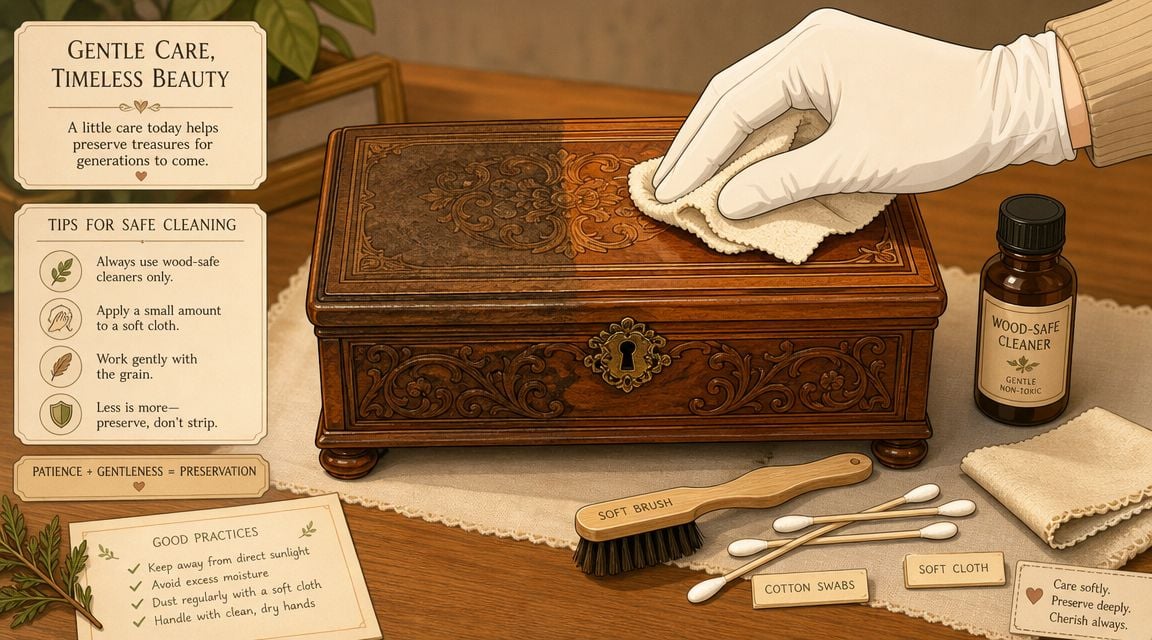
Most boxes need less treatment than expected. Dusting and dry cleaning are the first line of care.
A gentle routine works best:
- Use a soft, dry cloth first. This removes loose dust without driving grime into the finish.
- Use cotton swabs in tight corners. Hardware edges and carved details trap debris.
- Keep moisture minimal. Water can creep into joints, veneer edges, and linings.
If a box has a water ring or staining, homeowners should be cautious before experimenting. This article on expert advice on wood water damage is a useful reference for understanding what water can do to wood surfaces.
What to Avoid at All Costs
Some common fixes do more harm than the original wear.
Avoid these mistakes:
- Harsh household sprays can strip or cloud old finishes.
- Heavy oiling can leave residue and darken surfaces unevenly.
- Sanding the exterior removes patina and tool marks that help tell the piece's age.
- Stripping the finish often erases character that collectors and families value.
A worn finish isn't always a damaged finish. Sometimes it's the record of use.
Original surface, even when imperfect, is often part of the piece's story.
For broader wood-care habits that also apply to bedroom furniture, accent chests, and other solid wood pieces in Upstate New York homes, this guide on how to care for wood furniture is a practical companion.
Handling Minor Wear Without Over-Restoring
Light scratches and small interior issues can often stay as they are. Not every flaw needs correction.
A good rule of thumb:
- Stabilize loose parts before trying to improve appearance
- Protect original fabric if it's still holding together
- Leave small dents alone unless they threaten function
- Document the piece before any repair
That last step gets overlooked. A few clear photos of the hardware, corners, interior, and base can help if the owner later seeks appraisal, restoration, or family documentation.
When to Call a Professional Restorer near Albany
Some problems move beyond home care. A box with deep cracks, active veneer loss, severe warping, or broken structural joints needs more than a soft cloth and patience. In those cases, a do-it-yourself repair can lower both appearance and long-term stability.
Problems That Need Professional Hands
Professional help makes sense when the box shows any of the following:
- Structural failure such as a separating corner or collapsing lid
- Severe water damage that has distorted the wood
- Pest damage that leaves holes, weakness, or powder
- Missing original hardware when replacement needs to fit correctly
- Interior restoration if trays, dividers, or specialty linings are coming apart
A homeowner in the Albany area should also think twice before attempting full refinishing. Matching old color, sheen, and surface texture is skilled work. Amateur refinishing often leaves a piece looking flatter and newer than it should.
How to Choose Help Carefully
A good restorer should be willing to explain what will be preserved, what will be replaced, and what the repaired piece will lose or keep. That conversation matters as much as the repair itself.
For furniture support questions, delivery concerns, or service-related guidance on existing pieces in the home, residents can also review service request options.
The same standards that guide restoration also help with new furniture shopping. Tight joinery, solid materials, well-fitted hardware, and finishes that age gracefully matter just as much in a newly made piece as they do in an old one.
Creating a Modern Heirloom with Tip Top Furniture
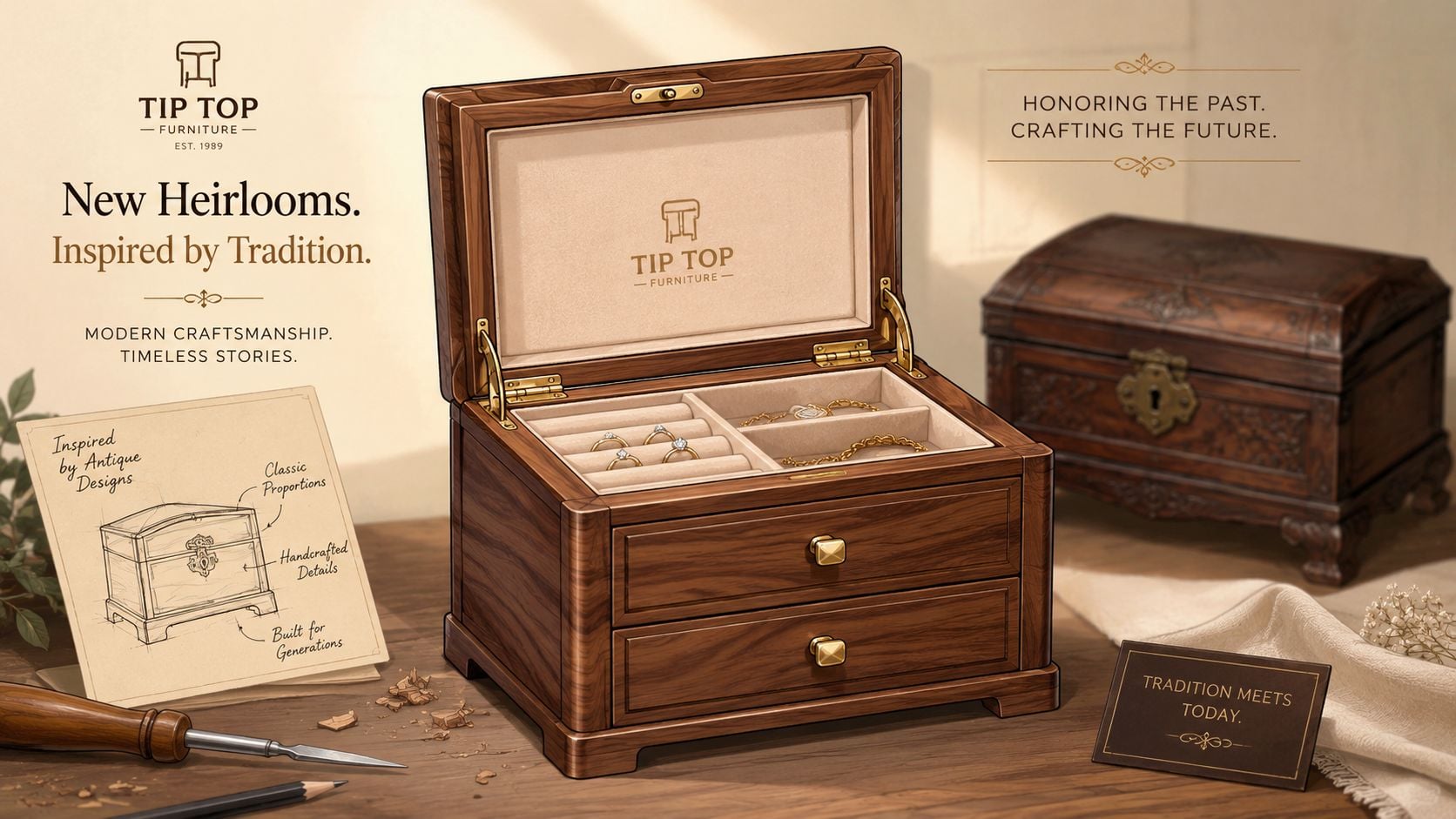
People who love an antique wood jewelry box usually aren't just buying storage. They're responding to materials, joinery, balance, and permanence. That's why antique appreciation often changes the way a homeowner shops for new furniture.
What Antique Pieces Teach Modern Buyers
Older boxes reward a careful eye. They remind buyers to ask better questions:
- Is this made of solid wood or a thin decorative surface
- Do the joints look built for decades of use
- Will the finish still look good after years of handling
- Does the scale feel personal, or just convenient for shipping
Those same questions fit bedroom chests, armoires, vanities, and small storage pieces. In practical terms, modern Amish furniture often appeals to the same customer because it emphasizes handcrafted construction, solid wood, and long-term use rather than quick replacement.
How a Future Heirloom Gets Built
For some households, the better answer isn't chasing an uncertain antique. It's commissioning or selecting a piece that starts with the right bones now. That can mean choosing wood species carefully, selecting a finish that suits the room, and matching proportions to the way the piece will be used.
Tip Top Furniture & Mattresses offers one route for homeowners who want that kind of heirloom-minded approach in the Greater Albany Capital Region, including custom-order options and Amish-made furniture available through its Freehold showroom.
A custom path can be especially useful when someone wants:
- A jewelry armoire scaled for a specific bedroom
- A chest with a finish that matches existing wood furniture
- Storage designed around real keepsakes, not generic compartments
- A piece that can live with the family for decades
Homeowners exploring personalized furniture can start with getting started with custom order. For budget flexibility, financing can make a larger long-term purchase more manageable, and clearance shopping may suit buyers who want immediate value without waiting for a build cycle.
The deeper lesson is simple. Antique boxes stay meaningful because somebody made them with care. A modern piece becomes a future heirloom the same way.
Homeowners who appreciate the quiet craftsmanship of an antique wood jewelry box can explore similar quality in person at Tip Top Furniture & Mattresses. The Freehold, NY showroom serves shoppers across Albany, Schenectady, Troy, Greene County, and the wider Capital Region with custom-order furniture, Amish-made solid wood pieces, design guidance, financing options, and clearance opportunities for homes that deserve lasting craftsmanship.