Top Guide to Custom Wood Finishes for Your Home in 2026


You find a dining table you love. The wood is right, the size works, and the lines fit your home. Then the questions start. Do you want a soft matte look or more shine? A finish that feels natural in the hand, or one that stands up better to spilled juice, wet dog noses, and weeknight homework?
That's where many furniture decisions get stuck.
Around the Albany Capital Region, I hear the same concern from homeowners over and over. They're not just picking a color. They're trying to choose something that will still look good after a few humid summers, a few dry winters, and regular everyday life. That's especially true when someone is investing in solid wood, whether it's a dining set, bedroom piece, or a custom Amish-made order intended to stay in the family for years.
A custom wood finish does two jobs at once. It shapes the personality of the piece, and it helps protect that piece from the kind of wear a real home dishes out. If you understand what each finish does, the decision gets much easier.
Your Guide to Lasting Beauty in Your Home
A customer from the Albany area recently came in looking for a solid wood table. She knew she wanted something warmer than painted furniture, something with character, and something her family wouldn't baby every day. Where she hesitated wasn't the table itself. It was the finish.
That's normal.
Many can tell when they like a wood finish, but they can't always explain why. One table looks rich and deep. Another feels lighter and cleaner. A third has that formal, smooth look that belongs in a more polished room. The finish is doing far more work than people realize.
In practical terms, the finish affects:
- Daily durability against scratches, moisture, and household messes
- Color and grain character from subtle and natural to dark and dramatic
- Maintenance needs over the years
- How the furniture fits your room, especially if you're matching floors, trim, or existing pieces
Practical rule: If you're choosing between two similar furniture pieces, the finish often matters just as much as the wood species.
That's especially important in homes across Freehold, Albany, Schenectady, Troy, and the surrounding Capital Region. Local conditions matter. Dry indoor heat in winter and sticky summer air both affect wood movement, and a finish that looks beautiful in a catalog may not be the right answer for your house and your routine.
Good finishing isn't about chasing trends. It's about matching the piece to the people who live with it.
What Exactly Are Custom Wood Finishes
A wood finish is the layer, or in some cases the treatment, that gives wood its final look and helps protect it from use. Think of it as part wardrobe, part raincoat. It changes how the wood presents itself, and it helps that wood handle real life.
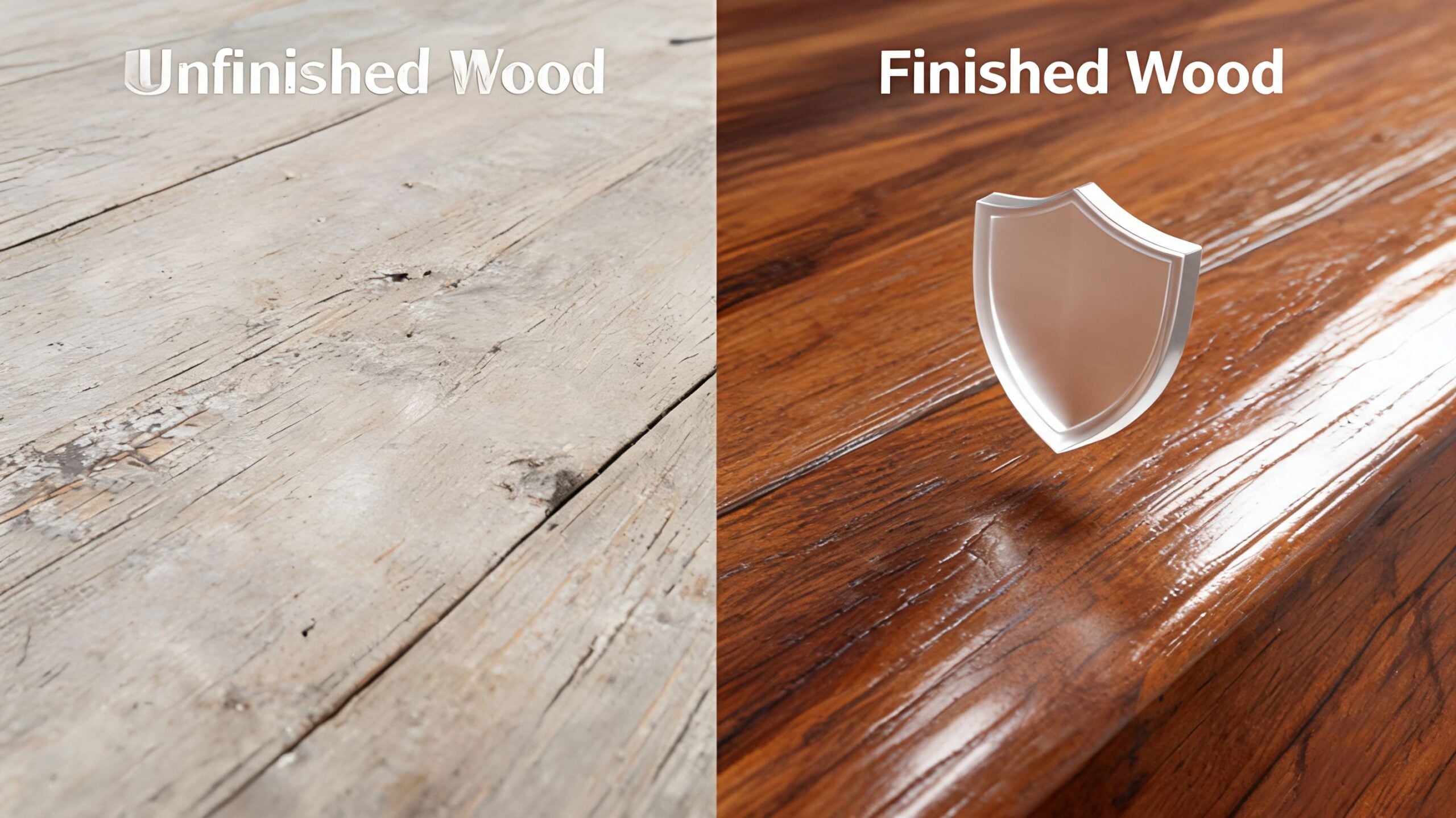
Some finishes sink into the wood. Others sit on top and build a protective film. Both can be beautiful. The difference is in the look, feel, and performance.
Two main ways finishes work
Penetrating finishes soak into the wood fibers. These tend to highlight texture and grain in a natural-looking way. Oils are the classic example. They usually feel less plastic-like and more connected to the wood itself.
Surface finishes form a film over the wood. Lacquer, varnish, shellac, and polyurethane fall into this group. These finishes often provide more visible surface protection and can range from low-sheen to glossy.
That distinction matters because “custom” doesn't just mean choosing a stain color. It means choosing how the finish behaves.
Why custom matters
A custom wood finish lets you control several decisions at once:
- Color tone such as light natural, warm brown, deep cherry, or near-ebony
- Sheen level from matte to satin to semi-gloss
- Surface character whether you want open-grain texture or a smoother formal surface
- Protection level based on how the furniture will be used
If you're also choosing the wood species, that combination becomes even more important. Oak, maple, cherry, and walnut all react differently to finishing, which is why it helps to understand how hardwood choice affects longevity and style.
Wood finishing isn't new or trendy. It's a craft with a long history.
The history of wood finishing goes back thousands of years. Tung oil was used in ancient China over 2,700 years ago for its water-resistant properties, and by the 18th century shellac had become the exclusive finish for fine furniture. That tradition still shapes the heirloom-quality look many homeowners want today.
Finish is not the same as stain
People often use those words interchangeably, but they're not identical.
A stain changes the wood's color. A finish protects the surface and affects sheen, depth, and feel. Sometimes a piece gets both. Sometimes the finish is clear and lets the natural wood tone do the talking.
That's why two “brown tables” can look completely different in person.
An Overview of Common Wood Finish Types
The best way to understand custom wood finishes is to compare them the way you'd compare flooring or countertop materials. Each one has a place. Each one has trade-offs.
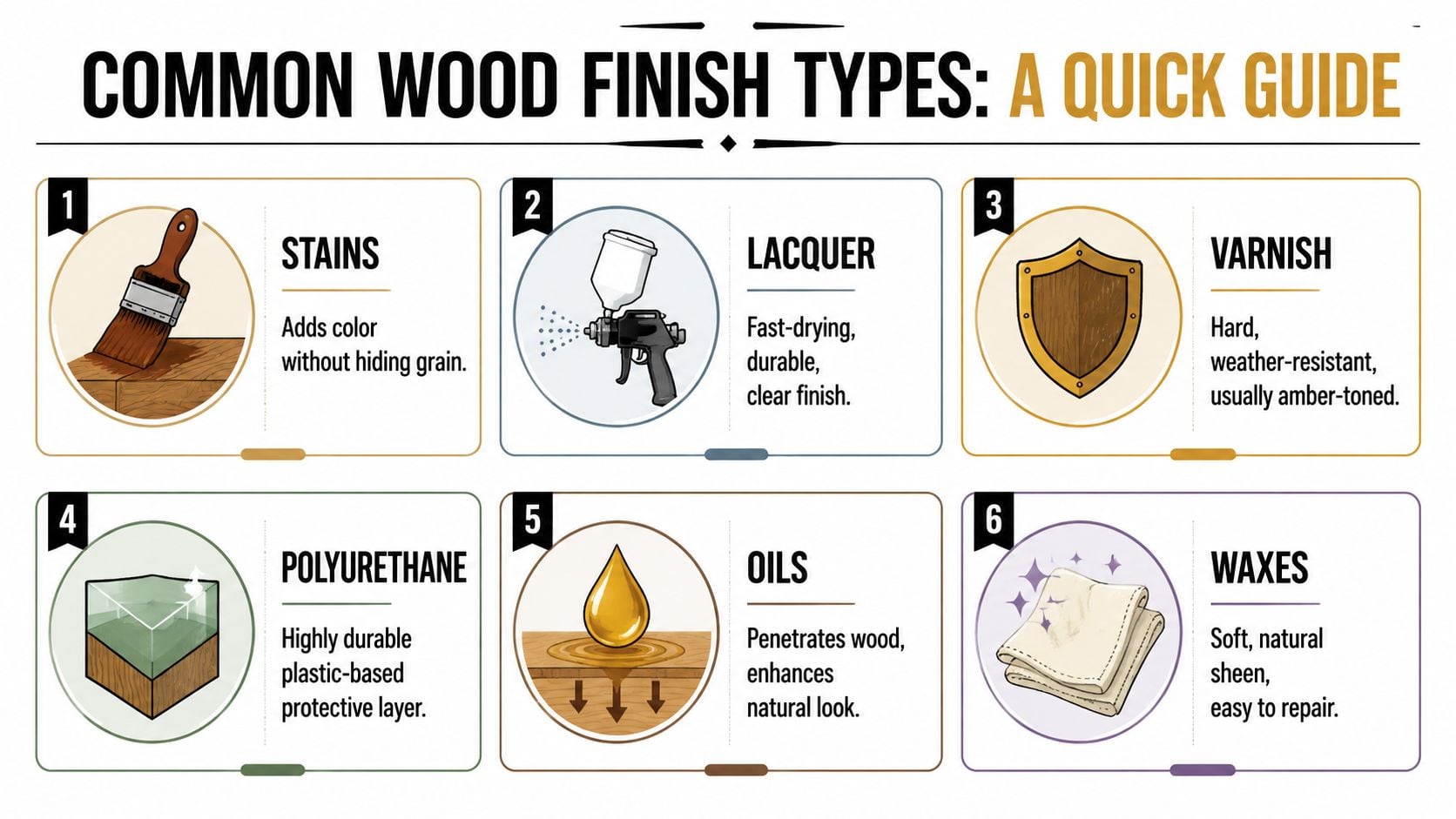
Stains
Stain isn't the final protective coat. It's the color layer that shifts the wood's tone while still allowing grain to show through.
Best for
- Changing the mood of a wood species without hiding character
- Matching existing furniture or floors
- Custom orders where a standard finish color doesn't quite fit your room
Keep in mind
- Stain performance depends on the wood beneath it
- The final look still depends on the topcoat
- Blotch-prone woods can look uneven without proper prep
A stain can turn plain-looking wood into something richer, but it can't fix poor sanding or poor material selection.
Lacquer
Lacquer has been a furniture favorite for a long time, especially where a smooth, refined look matters. Nitrocellulose-based lacquer is favored by 75% of manufacturers because its thermoplastic properties allow it to be re-softened with heat or solvents for easier repair, and it's 50% easier to repair than varnish according to this industrial wood coating overview.
Best for
- Households that want a clean, furniture-grade appearance
- Projects that may need touch-up or repair later
- A smooth, consistent surface on visible case goods
Keep in mind
- Heat and solvent sensitivity matter
- Application quality is important
- Some homeowners prefer a less formal look
For readers comparing painted and opaque furniture looks in kitchens and built-ins, this article on sleek opaque finishes from SouthRay Kitchen & Bath is a useful companion read.
Varnish
Varnish is a traditional film finish with a warmer, often amber-toned character. It has a classic appearance and still has a place on certain furniture styles.
| Finish type | Strength | Trade-off |
|---|---|---|
| Varnish | Traditional look and good surface protection | Harder to repair than lacquer |
| Lacquer | Easier rework and strong mar resistance | More sensitive to certain conditions |
Best for
- Traditional furniture styles
- Warmer, older-home aesthetics
- Homeowners who like a classic finish character
Keep in mind
- Repairs tend to be less forgiving
- It may amber over time
- It's not always the first pick for busy dining surfaces
Polyurethane
If someone asks for practical durability first, polyurethane is usually part of the conversation. It's widely used because it builds a strong protective barrier.
Best for
- Dining tables
- Kitchen furniture
- High-contact surfaces in family homes
Keep in mind
- Some people feel it looks a bit less natural than oil
- Heavy film build can reduce that close-to-the-wood feel
- Spot repairs can be trickier than with lacquer or wax
It's popular for a reason, especially when a piece is going to earn its keep every day.
Oils
Oil finishes soak in rather than sitting heavily on top. They tend to make wood grain look deeper and more alive.
Best for
- Cherry, walnut, and oak where grain character matters
- Bookcases, bedroom furniture, and lower-abuse pieces
- Homeowners who love a hand-rubbed look
Keep in mind
- Protection is usually more modest than a heavy film finish
- Regular care may be part of ownership
- Water rings and wear can show sooner on hard-working surfaces
A beautiful oil finish rewards the owner who wants to see and feel the wood, not just cover it.
Waxes
Wax is often used alone for a soft sheen or as part of a finishing system. It creates a pleasant touch and can be easy to refresh.
Best for
- Accent pieces
- Low-traffic furniture
- People who like a mellow, old-world look
Keep in mind
- It's not the first choice for heavy-duty protection
- Heat and moisture can be an issue
- It needs realistic expectations
Painted and distressed finishes
Not every custom wood finish is about showing grain. Painted, rubbed, glazed, and distressed looks all serve a design purpose.
Best for
- Farmhouse, cottage, and transitional homes
- Pieces where color matters more than visible grain
- Rooms that need contrast against wood floors
Keep in mind
- Style should fit the room, not just the trend
- Distressing should look intentional
- Paint quality and prep matter as much as color
If you're restoring an older piece instead of buying new, this practical guide on how to refinish wood furniture helps explain where finish choice starts to matter.
How a Finish Transforms Wood Color and Grain
The same board can look completely different depending on the finish. That's one of the most interesting parts of this craft. A finish doesn't just protect wood. It decides what your eye notices first.
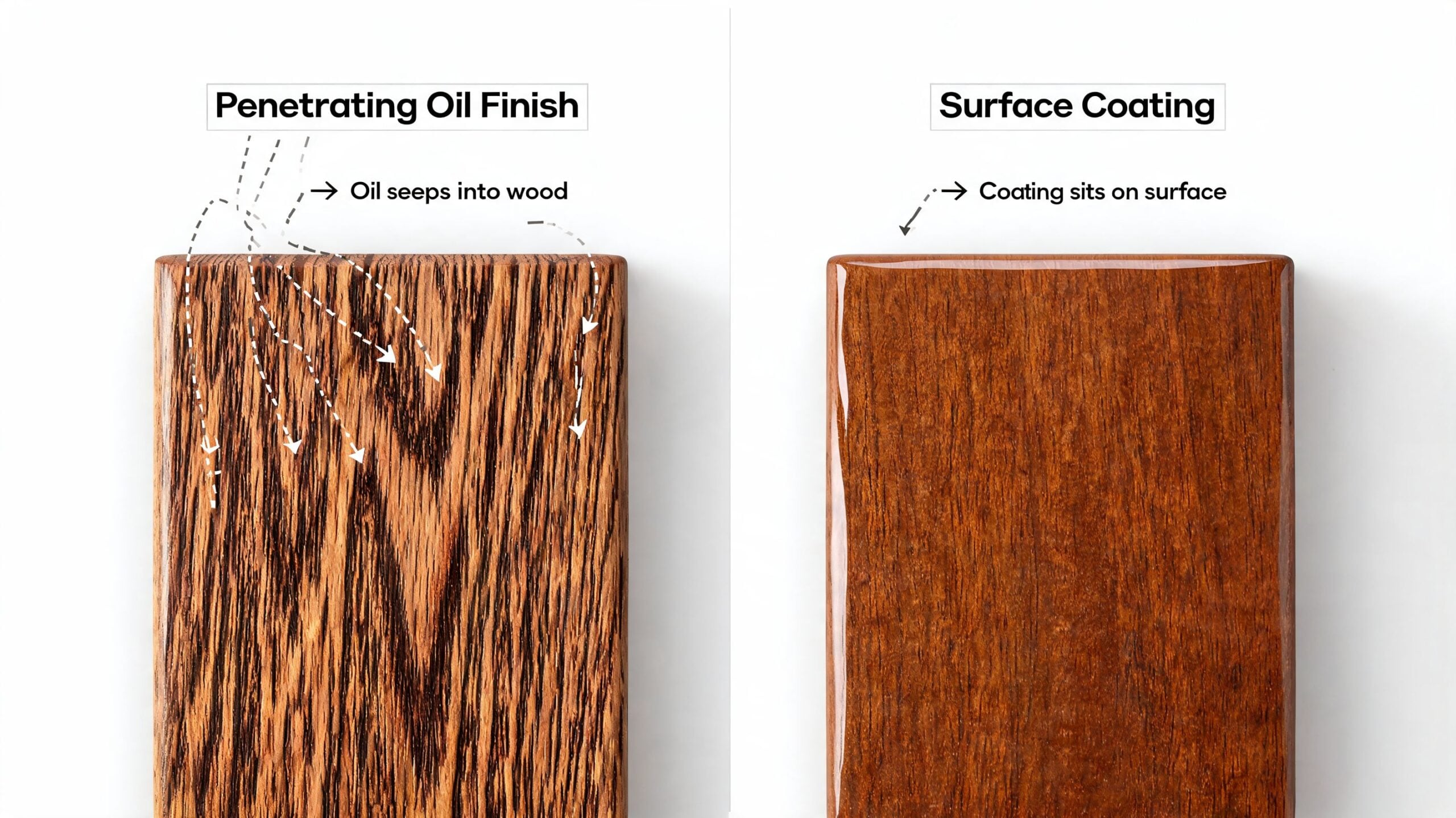
Penetrating finishes deepen grain
Oil finishes soak into the pores and fibers. On open-grain species like oak, that usually means more visual depth and stronger contrast between lighter and darker grain lines. The wood can feel warmer and more organic because the surface doesn't build into a heavy coating.
That's part of why oil-finished wood often feels “honest.” You're seeing more of the wood itself.
Film finishes even things out
Lacquer and similar topcoats create a more unified surface. They can make maple look cleaner and more refined, or make a darker stain appear smoother and more formal. On certain furniture styles, that's exactly the right move.
If you're coordinating furniture with flooring, trim, and wall color, the sheen matters almost as much as the stain itself. Homeowners often find it helpful to compare furniture tone against common wood floor colors and undertones.
Surface prep changes the result
A finish can only look as good as the prep underneath it. Expert woodworkers use progressive sanding from 120 up to 220 grit, which enhances a penetrating oil finish's infiltration into wood pores by 25-30%, while improper sanding can reduce paint absorption by up to 40% and lead to premature finish failure, according to PCI Magazine's discussion of wood characteristics and finishing.
That tracks with what homeowners see in person. Good prep creates clarity. Bad prep creates blotches, cloudy color, or a finish that never seems quite right.
The finish doesn't hide prep work. It reveals it.
For anyone trying to visualize color relationships before they commit, these aiStager paint color insights can help you think through how wall color changes the way a wood finish reads in a room.
Choosing the Best Finish for Your Capital Region Lifestyle
There isn't one “best” finish. There's the best finish for your home, your habits, and your part of the Capital Region.
A family in Albany with kids, pets, and constant activity will usually need something different from a homeowner in a quieter setting furnishing a study or guest room. The right answer starts with use, not just appearance.
Match the finish to the room
For a kitchen or dining table that sees daily meals, homework, and spills, polyurethane often makes the most sense. It provides 5-10 times the abrasion resistance of traditional varnishes, and its use in over 70% of modern woodworking is tied to its water and stain resistance. That durability can extend a furniture piece's life by 20-30% under normal UV exposure, as noted in this historic finishes discussion.
For a cherry bookcase, a bedroom chest, or a hall accent piece, you may prefer a finish that leans more toward touch and visual warmth than maximum barrier protection.
Consider local climate, not just style
The bigger challenge in this region is balance. Greene County and the wider Albany area deal with humid summers and dry winters. Wood moves. A quality finish helps manage the stress that changing indoor and outdoor conditions place on furniture, but it doesn't eliminate the need to choose wisely.
A few practical pairings make sense:
- Busy dining spaces call for stronger surface protection and easier wipe-downs
- Formal rooms can handle finishes chosen more for depth and elegance
- Open-grain woods benefit from finishing choices that suit their texture
- Homes with strong sunlight need special attention to long-term appearance
In Upstate New York, a finish has to work with the house you live in, not the showroom fantasy version of it.
If you're also comparing cabinet sheen in nearby rooms, this quick read on satin or semi gloss for cabinets helps clarify how sheen changes maintenance and appearance.
Think in real-life scenarios
Ask yourself these questions before you choose:
- Who uses this piece every day
- How much moisture, heat, or mess will it see
- Do I want the wood to feel natural or more polished
- Am I comfortable with occasional maintenance
- Will this piece need to coordinate with floors or other furniture
If you're planning a full-room update, use the Free Online Room Planner to test how a wood piece will sit in your space before you settle on finish, size, or layout.
The Tip Top Custom Selection Process from Start to Finish
A lot of finish regret starts the same way. Someone falls in love with a stain on a small sample, gets the piece home, and then realizes it reads too orange against the floor, too dark in the room, or too glossy for everyday living.
That is why we slow the process down and make the choices in the right order.
At Tip Top, the conversation starts with your home. Bring photos, room measurements, flooring samples, paint colors, or a picture of a piece you want to coordinate with. We use those details to narrow the field before anyone gets attached to the wrong finish.
Our getting started with a custom order guide helps organize the basics, but significant value comes from seeing how the finish behaves on the actual wood species you are considering. Oak shows grain differently than maple. Cherry deepens over time. Walnut already carries warmth and depth before stain even enters the conversation.
A good custom process also separates color from protection. Stain sets the tone. The topcoat affects sheen, feel, and day-to-day durability. Those are different decisions, and treating them like one is how people end up with a piece that looks right for a week and bothers them for years.
What we look at in the showroom
A finish card tells part of the story. Real samples tell the rest.
We compare options side by side and ask practical questions:
- Does the color still work under your room lighting
- Does the sheen fit the way you live, or will it show every fingerprint
- Does the grain look calm and refined, or bold and rustic
- Does the finish relate well to nearby floors, cabinets, and upholstery
That showroom step matters in the Capital Region, where homes range from older colonials and farmhouses to newer open-plan builds. The same finish can feel rich and grounded in one space, then flat or overly formal in another.
Why this process saves mistakes
Custom furniture gives you more freedom, but it also gives you more ways to get a detail wrong. We help narrow the options to combinations that make sense for the piece, the wood, and the room, so you are not guessing across three websites and a two-inch swatch.
That hands-on selection process is what turns custom from a risk into a good decision. You leave with a finish chosen for your house, your lighting, and the way your family uses the piece.
Maintaining and Caring for Your Custom Finished Furniture
A custom finish keeps its good looks longest when the care matches the way the piece is used. In the Albany area, that matters more than some people expect. Winter heat dries the air, summer humidity creeps back in, and a table near a sunny window in July lives very differently than one in a formal dining room used twice a year.
Day to day, the biggest problems are simple ones. Wrong cleaners. Standing water. Heat from a vent or radiator. A lamp, crock, or laptop dragged across the surface a few inches at a time. I see far more finish damage from habits like that than from normal family use.
Simple habits that protect the finish
Regular dusting with a soft, dry cloth handles most routine care. If the surface needs more attention, use a cleaner made for finished wood, and skip anything gritty, harsh, or heavy with strong chemicals.
A few habits do most of the work:
- Use coasters and placemats on dining and occasional tables
- Wipe spills promptly so moisture does not sit on the finish
- Keep furniture away from direct heat sources like radiators, wood stoves, and floor vents
- Lift objects instead of dragging them across the surface
Small habits matter.
What to avoid
Some products and shortcuts cause damage fast, especially on better wood furniture that was built to last.
- Abrasive cleaners can leave fine scratches that dull the sheen
- Ammonia-heavy products can damage or haze certain topcoats
- Wet cloths left on the surface can trap moisture and mark the finish
- Silicone-heavy polishes can leave buildup and make later touch-up work harder
A finish usually wears out from poor care choices, not from ordinary use.
Care by finish type
Different finishes need different expectations. A lacquered piece usually wants gentle cleaning and protection from heat. An oiled finish may need occasional refreshing to keep its color and soft, hand-finished character. Waxed furniture can be beautiful in the right room, but it asks for a lighter-duty lifestyle and more regular attention.
For a more complete checklist, this guide on how to care for wood furniture is worth bookmarking.
Good furniture should settle into your home and stay attractive for years. If you want help choosing a finish that fits your house, your lighting, and the way your family lives, stop by our Freehold showroom and talk it through with us. We help Capital Region homeowners compare real samples, weigh the trade-offs, and choose a finish that still makes sense long after the newness wears off.