Can You Wash Rugs? A Guide for Albany, NY Homes


You spill coffee near the sofa, the dog tracks in mud from the yard, or an entry rug starts looking dull even though you vacuum it all the time. That’s usually when people ask the same question: can you wash rugs, or will that ruin them?
The honest answer is sometimes. Some rugs handle water and a gentle wash just fine. Others shrink, bleed, warp, or hold moisture deep in the backing long after the surface feels dry. Around the Albany Capital Region, where spring mud, winter salt, and damp summer air all show up in the same year, rug care has to be practical, not guesswork.
After decades helping families care for the furnishings and flooring they live on every day, the pattern is clear. The safest rug cleaning decisions start with the rug itself, not the stain. Material, backing, construction, and drying conditions hold greater importance than generally appreciated.
The First Step Always Check Your Rugs Label and Material
Before any scrubbing, soaking, or machine washing, identify what the rug is made of and what the maker allows. That one step prevents more damage than any cleaner ever will.
In our business, we see the same pattern over and over. A homeowner treats a rug like a bath mat, then ends up with ripples in the backing, color bleed into the border, or corners that never lie flat again. Rugs are furnishings, not just floor coverings, and the better the rug, the more expensive the mistake.
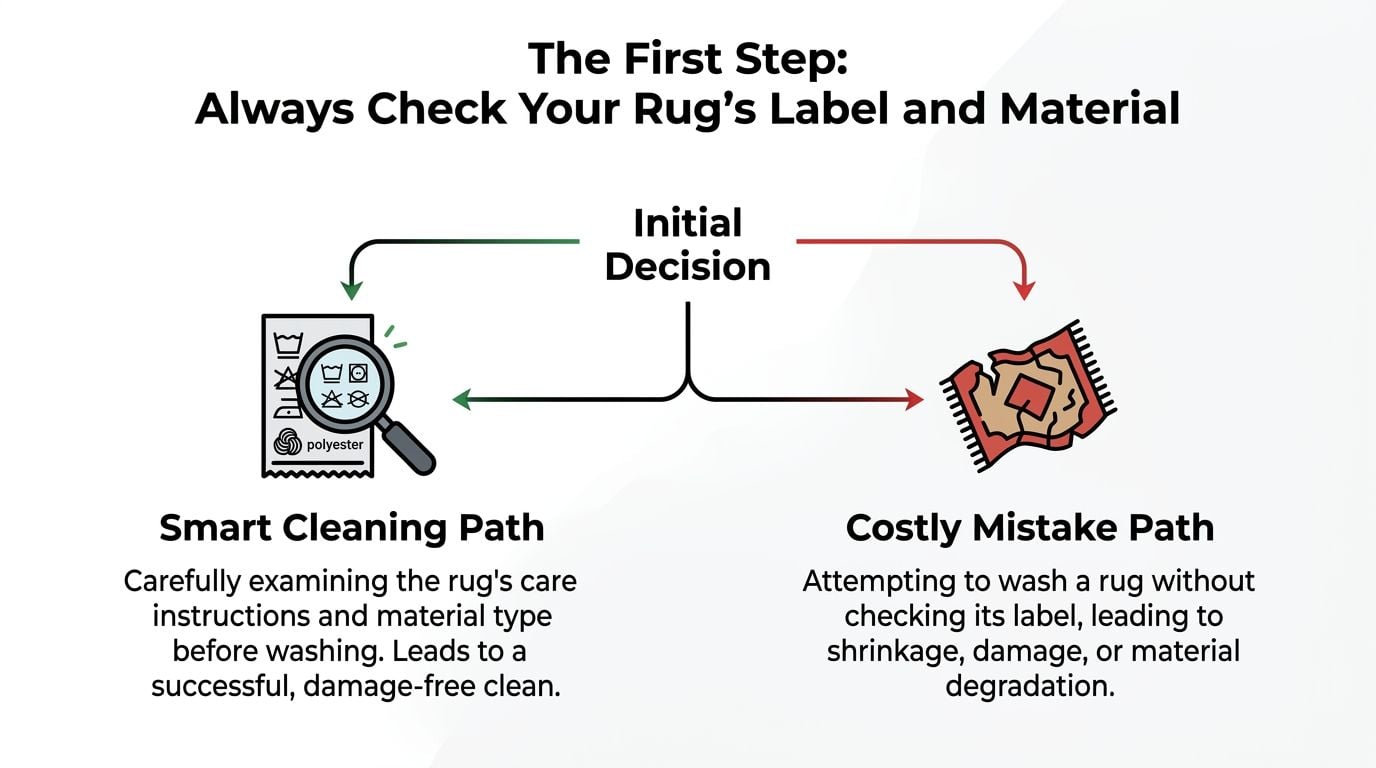
What the care label tells you
If the tag is still attached, start there. It usually gives you the practical limits you need to know before water ever touches the fibers:
- Water tolerance: machine washable, hand washable, spot clean only, or dry clean only
- Temperature: cold water only or warm water allowed
- Cycle limits: gentle cycle, no agitation, or no machine use at all
- Drying rules: air dry flat, hang dry, or low heat only
Those instructions are not there for show. They reflect how the fiber, dyes, backing, and stitching were made to perform. Ignore them, and even a rug that looks sturdy can shrink, stiffen, shed, or develop a warped backing.
Practical rule: If the label is missing and the rug is valuable, older, thick, or made from natural fibers, treat it as non-machine-washable until you know more.
If the tag is missing
Older rugs, custom pieces, and hand-me-downs often have no readable label. In that case, the next job is figuring out the material and the construction.
A few field clues help:
- Synthetic rugs like polypropylene or polyester usually feel less absorbent and often have a consistent, manufactured backing.
- Wool rugs feel springy and substantial, but they hold water, can felt with rough handling, and often need a gentler cleaning method.
- Jute, sisal, and other plant fibers react poorly to soaking and can stiffen, swell, or discolor.
- Cotton rugs are often more forgiving, especially in simple flatweave styles, but the backing still matters.
Plant fibers deserve extra caution. If you need more detail on specific rug material considerations, review that before trying any wet cleaning. Jute is one of the clearest examples of a rug that can look washable but respond badly to saturation.
Rug Material Washability Guide
| Rug Material | Machine Washable? | Hand Washable? | Recommended Method |
|---|---|---|---|
| Synthetic washable rug | Usually yes, if label allows | Yes | Machine wash on gentle settings or hand wash lightly |
| Cotton rug | Sometimes | Yes | Follow label, usually gentle wash and air dry |
| Wool rug | No, in most cases | Yes, with care | Light hand washing with wool-safe cleaner |
| Jute or sisal | Usually no | Limited surface cleaning only | Spot clean, keep moisture minimal |
| Vintage or handmade rug | Usually no | Sometimes, but risky at home | Professional cleaning is usually safest |
Fiber is only part of the story. Construction changes the answer too.
A rug with a latex backing, glued layers, heavy edge binding, or a thick attached pad may not tolerate full washing, even if the face fiber itself can handle water. That is where homeowners get tripped up. The surface looks washable, but the backing fails first.
This comes up often with dining room rugs, where spills are common and easy cleanup sounds appealing. Choosing a rug with cleanability in mind from the start protects your investment in the rest of the room as well. Our guide to the best area rugs for dining room use shows how material and construction affect long-term performance in busy homes.
A simple decision test
Before washing any rug at home, ask four direct questions:
- Do I know the fiber and backing?
- Does the label clearly allow water washing?
- Can I dry it fully without trapping moisture underneath?
- If the texture, shape, or color changed, would I regret taking the risk?
That last question usually gives the honest answer. If the rug is a quality piece you want to keep for years, caution is cheaper than replacement.
How to Prepare Your Rug for a Successful Wash
A rug usually looks dirtiest after the wrong cleaning, not before it. Around the Capital Region, I see the same pattern every spring. A homeowner means well, adds water too quickly, and turns loose grit, old spotting residue, and a small stain into a larger problem that reaches the backing and sometimes the floor underneath.
Good preparation lowers that risk. It also protects the kind of quality rug that ties a room together, especially if it sits near upholstered furniture, wood flooring, or other pieces you expect to keep for years.
Remove dry soil first
Start with dry cleaning steps before any water touches the rug.
Take the rug outside if practical and give it a thorough shake. Then vacuum both sides slowly. That second pass on the back helps push trapped grit out of the pile instead of leaving it there to turn muddy during washing. On delicate rugs, use suction only or a soft brush attachment. Skip the beater bar on shag, loops, natural fibers, and loose weaves.
This is one of the simplest ways to prevent wear during cleaning. Dirt left in the fibers acts like sandpaper once it gets wet.
Test for colorfastness and cleaner compatibility
Use a plain white cloth on a hidden area, usually a corner or the section under a sofa or side chair. Dampen the cloth with water and blot, do not scrub. If color transfers to the cloth, stop. Home washing is too risky.
Repeat the test with any cleaner you plan to use. I have seen rugs survive water just fine, then get damaged by the wrong stain product. A cleaner can leave a pale spot, a sticky patch that grabs more soil, or a ring that stands out even after the rug dries.
Blotting gives a cleaner answer than scrubbing. If dye moves onto the cloth, the rug is already reacting to moisture.
Isolate stains before the full wash
Treat spills and pet accidents before the main wash so they do not spread across a larger wet area. If you’re sorting out pet messes, this overview of effective pet stain removers for carpets can help you compare cleaner types before you put anything on the rug.
A few habits separate safe prep from costly guesswork:
- Blot first: Use clean towels and firm pressure.
- Work from the outside in: That helps contain the stain.
- Use a light hand with product: Extra cleaner is harder to rinse out than many homeowners expect.
- Avoid over-wetting one area: Saturation is what often leads to rippling, backing trouble, or slow drying.
If the rug sits on hardwood, luxury vinyl, or another moisture-sensitive surface, protect the floor before you start. Our spring cleaning tips for Albany Capital Region homes are a good reminder of how surfaces work together. Water can travel farther than it appears, and protecting the rug should never come at the expense of the flooring below.
Choosing Your Washing Method Step by Step
A washable bath runner and a hand-knotted wool area rug should never be cleaned the same way. In our business, that distinction matters because the wrong method can shorten the life of a good rug long before the fibers wear out. Here, the answer to can you wash rugs becomes specific instead of general.
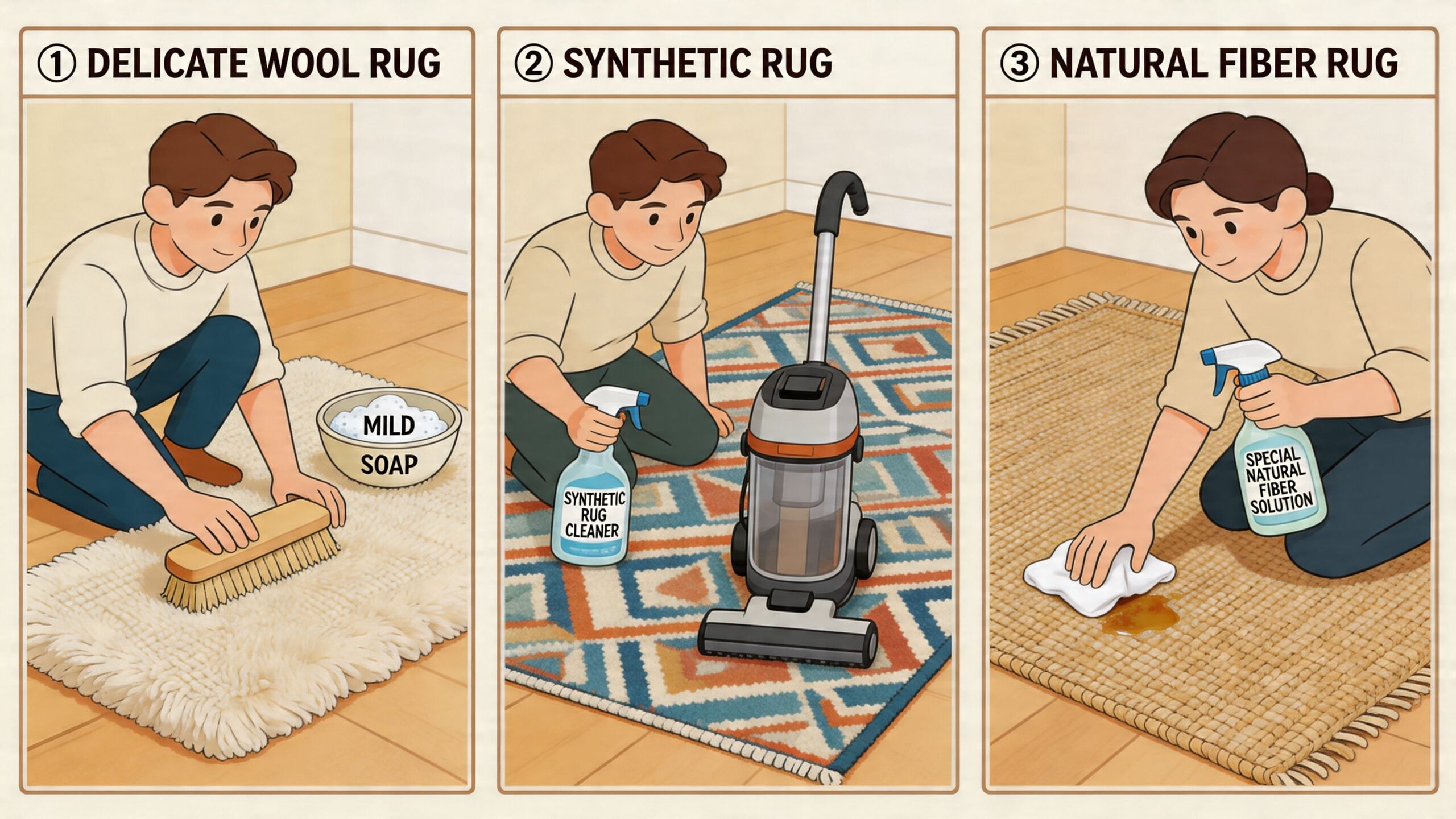
Machine washing small synthetic rugs
Machine washing makes sense for smaller synthetic rugs that are clearly labeled washable. It is a practical option for utility rugs in bathrooms, laundry rooms, kids’ spaces, and some kitchens. It is a poor choice for anything heavy, rubber-backed and cracking, or large enough to strain the drum.
The method stays simple:
Confirm the rug fits the washer comfortably
If you have to fold, cram, or force it in, stop. The machine will not clean it evenly, and the stress can damage the rug or the washer.Vacuum both sides first
Dry soil turns into muddy residue in the wash. Removing that grit first protects the pile.Pre-treat obvious spots lightly
Use a mild detergent solution and a soft cloth. Let it work briefly, then blot.Choose cold water and a gentle cycle
Heat and aggressive agitation are what usually cause trouble with backing, stitching, and shape.Use a small amount of low-sudsing detergent
Soap residue is one of the most common reasons a rug feels stiff or attracts new soil faster.Skip bleach and fabric softener
Both can affect color, pile texture, and backing performance.
Good rug care often overlaps with good fabric care. Homeowners who want a better feel for why one cleaner is safe on one surface and risky on another can review our guide to how upholstery materials affect cleaning decisions. The same principle applies here. Material dictates method.
Hand washing wool and other natural fiber rugs
Wool can handle careful washing, but it does best with restraint. Too much water, too much scrubbing, and too much soap create more problems than the original soil.
For wool and similar natural fibers, use a slower approach:
- Vacuum or shake out loose debris
- Mix lukewarm water with a wool-safe, pH-neutral cleaner
- Work in small sections with a sponge or soft cloth
- Use light pressure and avoid hard brushing
- Rinse with as little water as possible
- Press out moisture with towels instead of twisting or wringing
I tell customers this all the time in the showroom. A quality wool rug is part floor covering, part furnishing investment. Treat it with the same care you would give a well-made sofa or bedroom set, especially if it anchors one of the main rooms in your home.
Jute, sisal, and other plant fibers call for even more caution. Full washing often causes swelling, distortion, browning, or texture changes that do not fully reverse. For those rugs, limited surface cleaning is usually the safer call.
Spot cleaning for spills and fresh stains
A full wash is not always the right answer. For many Albany Capital Region homes, targeted spot cleaning protects the rug better, especially when the stain is fresh and confined to one area.
Use spot cleaning when:
- The spill is recent
- The rug is too large or awkward to move
- Only one section is affected
- The rug has mixed fibers or uncertain backing
Keep the process controlled:
- Blot with clean white towels
- Use cool or lukewarm water if the material allows it
- Apply the cleaner sparingly
- Blot again instead of scrubbing
- Rinse lightly
- Dry the area fast
Speed matters once water is involved. If you need a practical reference on drying a wet floor surface after cleaning, this guide on how to dry wet carpet fast is a useful companion. The goal is the same with rugs. Clean only what needs cleaning, use only as much moisture as necessary, and get the piece drying promptly.
The Critical Art of Drying Your Rug Correctly
A washed rug can still be ruined in the drying stage. That is where I see odors set in, edges curl, colors migrate, and backings start to fail.
In Albany area homes, drying often takes longer than homeowners expect. Basements stay cool and damp, mudrooms do not get enough air movement, and summer humidity can keep moisture trapped deep in the pile even after the surface feels dry.
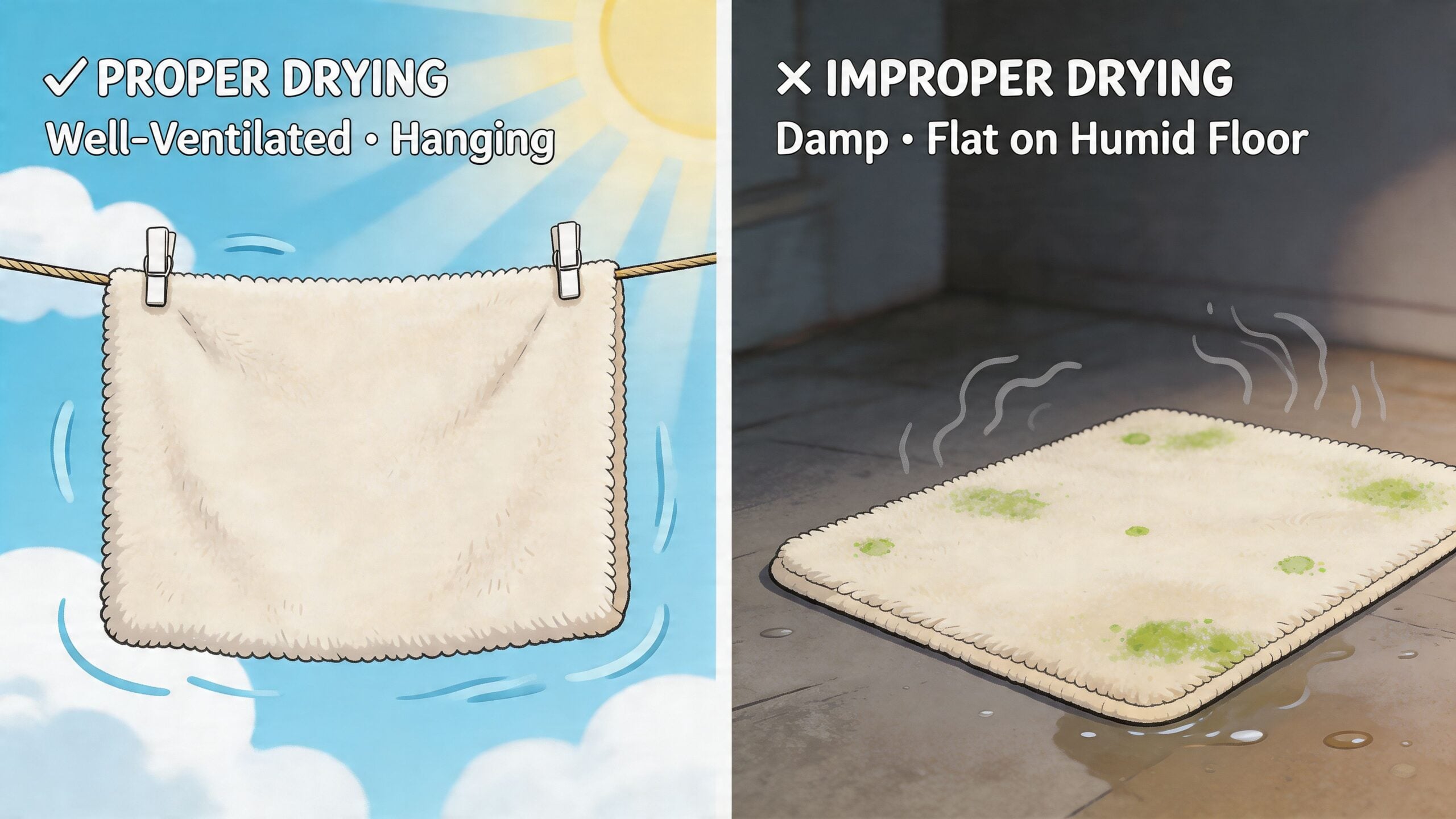
Air drying is usually the right call
For most rugs, air drying is the safer method. Lay the rug flat on a clean, dry surface, or drape it over a solid support if the rug is light enough and the weave will not stretch under its own weight. Use fans to keep air moving across both sides. If possible, rotate the rug and lift one end now and then so moisture does not sit in the backing.
Wool deserves extra patience. Press out excess water with clean towels first, then reshape the rug while it is still damp. Harsh direct sun can fade color and dry the face faster than the foundation, which is one reason some rugs develop ripples after a home wash.
What not to do
A few shortcuts cause the same problems again and again:
- Do not leave the rug bunched up after washing.
- Do not dry it directly on hardwood, laminate, or other moisture-sensitive floors.
- Do not trust the top surface alone. The backing and pad area usually stay wet longer.
- Do not use high heat unless the care label clearly allows it.
If you are dealing with a soaked rug or a damp floor surface underneath it, the advice in how to dry wet carpet fast is useful. The same basic rule applies here. Get moisture out fast, keep air moving, and do not trap dampness against the floor.
Put your hand under the rug, not just on top of it. Hidden moisture nearly always lingers underneath.
Protect the floor underneath
Before the rug goes back in place, make sure the floor is fully dry and the rug pad is dry too. That step protects the rug and the room around it. In our business, we have seen beautiful area rugs come through fine while the finish on the hardwood below turned cloudy or stained from trapped moisture.
That is one reason floor care and rug care go together. If your rug sits over wood flooring, these tips on protecting hardwood floors from scratches are worth reviewing, especially since a damp rug can create moisture problems and surface abrasion at the same time.
A good rug is part of the room's furniture plan, not just a washable accessory. Dry it with the same care you would give a well-made dining set or upholstered sofa, and it will serve your home much longer.
When to Call for Professional Help in the Capital Region
Some rugs should never become a DIY experiment. A good rule is simple. If the rug is expensive, sentimental, oversized, antique, handmade, or made from delicate fibers, professional cleaning is usually the smart move.
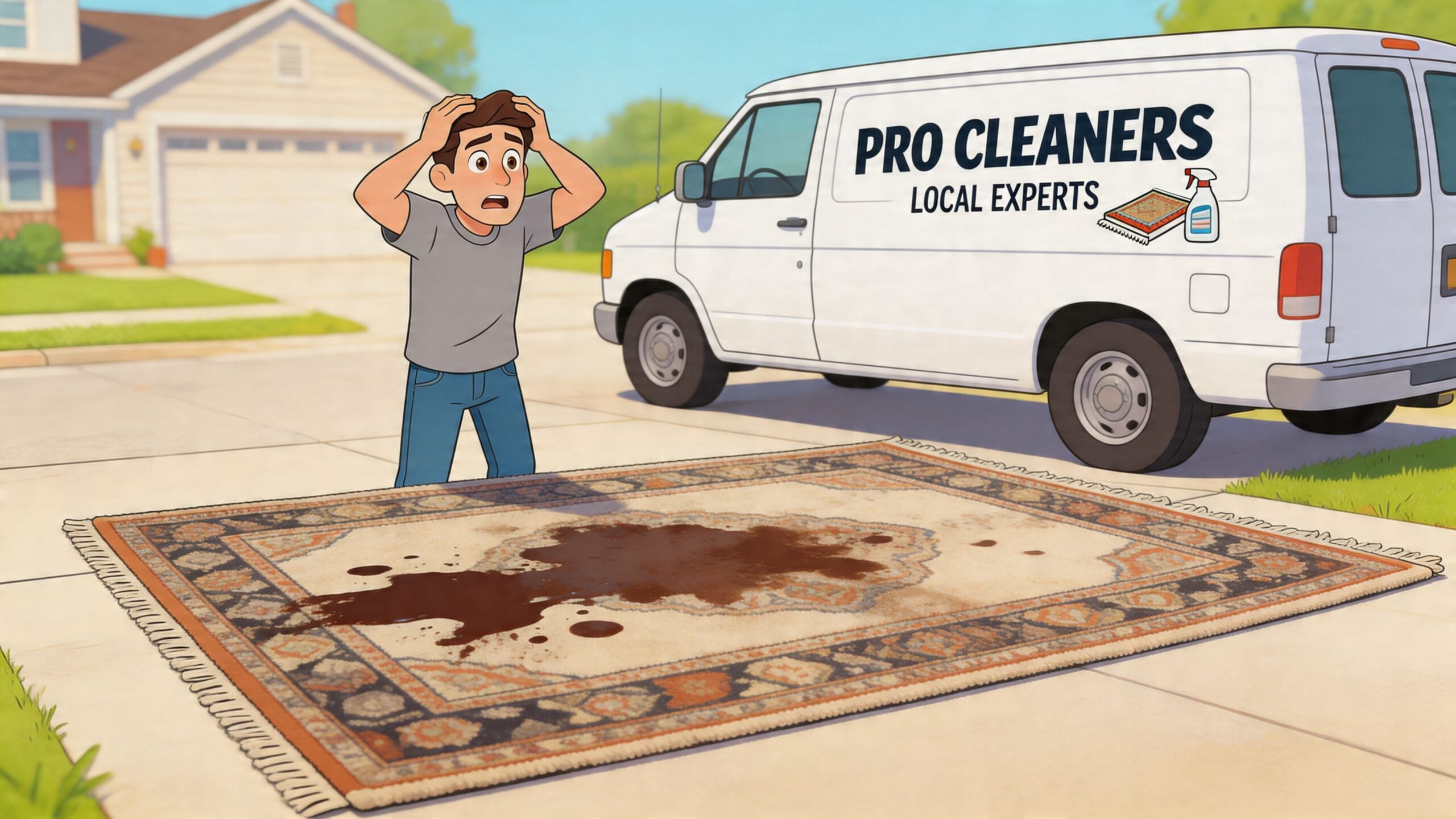
Rugs that are poor candidates for home washing
Homeowners often try DIY cleaning because the stain looks simple. The issue isn’t always the stain. It’s the rug’s structure.
Professional help makes sense for:
- Antique rugs with older dyes and fragile foundations
- Silk rugs that react badly to rough handling and moisture
- Large area rugs that won’t wash or dry evenly at home
- Hand-knotted or custom rugs where distortion is costly
- Rugs with pet urine in the backing where odor has penetrated below the surface
- Rugs with persistent odor after drying because that usually means retained moisture or residue
Why professionals exist for this job
There’s a reason the cleaning trade is so established. The global carpet and upholstery cleaning services market was valued at USD 55,160.6 million in 2022 and is projected to reach USD 83,504.0 million by 2030, according to Grand View Research’s carpet and upholstery cleaning services market report. The same source notes that carpets are found in 92% of sampled U.S. homes, which helps explain why professional maintenance remains a practical service for many households.
That doesn’t mean every rug needs outside cleaning. It means some rugs need tools and methods most homeowners don’t have. Deep extraction, controlled drying, immersion washing, and fiber-specific chemistry all matter once the rug moves beyond a simple washable household piece.
A simple decision filter
Call a professional if any of these are true:
- The rug can’t be fully dried at home
- The stain has reached the backing or pad
- The rug is handmade, old, or irreplaceable
- The color isn’t stable
- The rug is too heavy to handle safely when wet
That last one gets overlooked. A rug that feels manageable dry can become awkward and risky once saturated. If moving it strains your back or bends the rug sharply, it’s already too much for a casual home wash.
Common Rug Washing Mistakes to Avoid
The biggest myth is that if washing helps a little, more washing must help more. In practice, that’s one of the fastest ways to shorten a rug’s life.
The mistakes that cause the most damage
A short checklist catches most of them:
- Using hot water on the wrong rug. Heat can shrink fibers, loosen backings, and set some stains.
- Choosing a harsh detergent. Strong laundry products, bleach, and dish soap often leave a rug stiff or sticky.
- Scrubbing aggressively. That roughens pile, spreads stains, and can pull fibers loose.
- Soaking the backing. The face fiber might survive it. The structure underneath may not.
- Skipping the drying plan. Washing before you know how the rug will dry is backwards.
Over-washing is real
A rug doesn’t need a full wash every time it looks tired. Often it needs vacuuming, a prompt spot treatment, and time to dry properly after a targeted clean.
Over-washing can do measurable harm. According to Edward Martin’s rug washing frequency guide, wool-blend washable rugs can felt and have their lifespan shortened by 25% after 3 to 4 washes if overdone. The same source notes that high-traffic zones may need washing every 3 months, but over-washing can accelerate fading in synthetics by 15 to 20%, which is why spot-cleaning is often the better first move.
A rug lasts longer when you clean it earlier, not necessarily more often.
A better maintenance mindset
Instead of asking only can you wash rugs, ask two better questions:
- Does this rug need a full wash, or just stain treatment and vacuuming?
- Will this cleaning method preserve the look and feel I bought the rug for?
That shift saves a lot of rugs.
If your room setup includes layered flooring, runners, and area rugs, placement matters too. This guide on putting an area rug over carpet is helpful because layering affects wear patterns, trapped debris, and how often a rug seems dirty before it’s ready for a deep clean.
If you’re furnishing a home in Freehold, Albany, Troy, Schenectady, or anywhere in the Capital Region, quality materials make upkeep easier from day one. At Tip Top Furniture & Mattresses, our family has helped neighbors since 1978 with furniture, flooring, custom ordering, design guidance, and practical advice that respects your investment. If you’re comparing rugs, room layouts, or whole-home updates, you can also explore flexible financing options or browse the Clearance Corner for immediate-value finds.