Home Office Desks White: Your Upstate NY Guide


A lot of Upstate New York homeowners are working with a room that has to do more than one job. A spare bedroom becomes an office. A landing turns into a desk nook. A finished basement corner has to feel bright enough for daily work, even through long stretches of gray weather.
That's where white home office desks keep coming up for Albany-area shoppers. They're clean, adaptable, and easier to fit into mixed-use rooms than heavier-looking finishes. The right one can make a workspace feel calmer without asking the whole room to become modern or minimal.
Table of Contents
- Why a White Desk is Perfect for Your Upstate NY Home
- Choosing the Right White Desk Size and Layout
- Understanding White Desk Materials and Finishes
- Creating an Ergonomic and Productive Workspace
- Styling Your White Desk for an Upstate NY Home
- Your One-Stop Shop for Home Office Furniture Near Albany
Why a White Desk is Perfect for Your Upstate NY Home
In many homes around Albany, Troy, Schenectady, and Greene County, the office isn't a big dedicated room. It's often the guest room, a side wall in the bedroom, or a corner that needs to stay visually quiet when the workday ends. A white desk helps with that because it doesn't sit in the room like a heavy block.
That matters more now than it once did. After 2020, home offices stopped being occasional-use spaces. The share of people working primarily from home in the United States rose from 5.7% in 2019 to 17.9% in 2021, according to the U.S. work-from-home figures cited here.
Why white works in smaller and darker rooms
White surfaces reflect light better than darker finishes, so they usually feel less dense in the room. In practical terms, that means a white desk can soften the look of a narrow wall, brighten a basement office, or keep a spare bedroom from feeling closed in once a chair, monitor, and storage are added.
That's one reason home office desks white shoppers ask about so often are tied to real room problems, not just trends. In older Capital Region homes, there may be smaller rooms, deeper trim colors, and less overhead lighting than people want for daily work. A white desk can lighten the center of the room without forcing every other piece to match it.
A desk that looks lighter often makes a shared room easier to live with, especially when work equipment stays out all week.
Why local shoppers keep choosing it
White also works well when a room already has strong character. In a farmhouse outside Freehold, it can balance knotty wood floors or painted shiplap. In a city home, it can clean up a space that already has a lot of visual texture from brick, old moldings, or mixed furniture.
For people trying to keep a home office from feeling too corporate, the trick is contrast. A white desk can pair with woven textures, warm woods, darker chairs, or soft window treatments so the room still feels like home. That same balancing act shows up in many cozy local interiors, including these timeless cabin ideas for Albany-area homes.
Choosing the Right White Desk Size and Layout
Too many desk mistakes start with appearance. The finish looks right online, but the top is too shallow, the width is too tight, or the chair blocks a walkway every time someone gets up.
A white desk should fit the work first. Then it should fit the room.
Start with the work surface, not the style
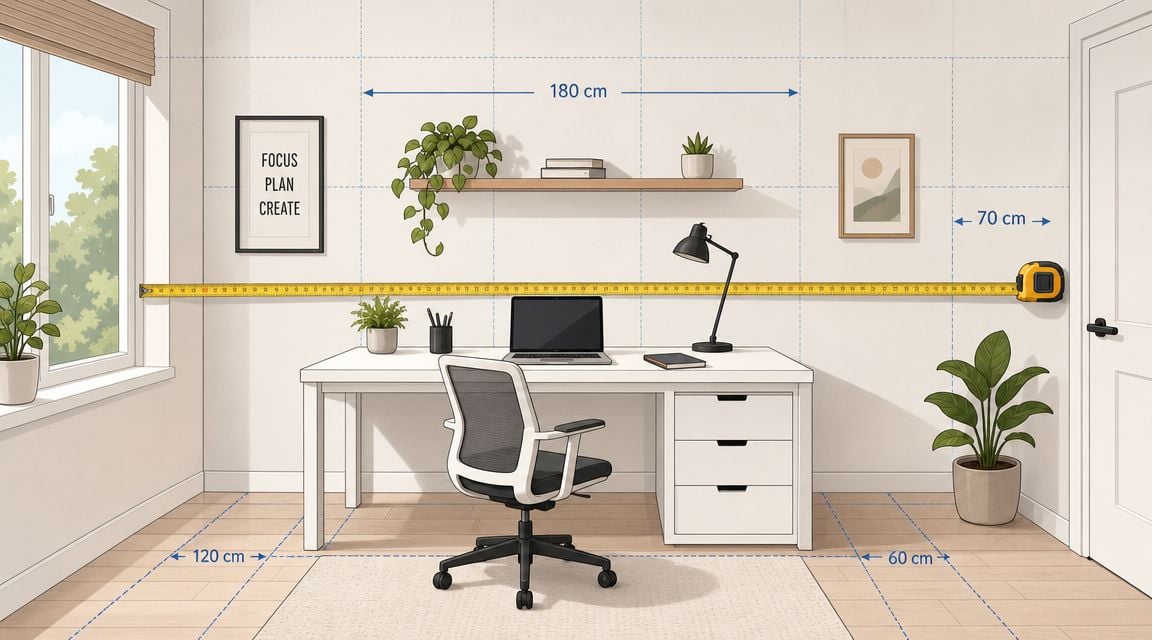
A useful benchmark for a home office desk is 48 to 72 inches wide, 24 to 30 inches deep, and 28 to 30 inches high, as outlined in this desk dimension guide. That range usually gives enough room for a monitor, keyboard, and writing space without crowding the user.
Width changes how flexible the desk feels day to day. A narrower desk may work for a laptop-only setup, but once a second screen, notebook, or task lamp gets added, the surface fills up fast. More width gives breathing room and makes the space easier to keep organized.
Depth is the measurement many shoppers underestimate. A top under the common functional range can push the screen too close and reduce room for the hands and mouse. That can make a desk look sleek while feeling tiring after a full workday.
A simple layout method that prevents mistakes
Before buying, it helps to map the desk on the floor with tape or paper. This reveals problems a product photo won't show.
Use this quick method:
- Mark the desk footprint. Tape the width and depth where the desk will sit.
- Pull out the chair zone. Check how much room is needed behind the desk when seated and when standing up.
- Test the walkway. Make sure doors, closet access, and bed clearances still feel natural.
- Look at window light. Notice glare, outlet access, and whether the screen will face or fight the natural light.
Practical rule: If the desk fits on paper but makes the room awkward to move through, it doesn't fit.
For difficult rooms, angled walls, or mixed-use spaces, local shoppers often benefit from measuring help before they commit. A solid place to start is this guide on how to measure a room for furniture perfectly.
When buyers are comparing several home office desks white options, the best choice usually isn't the largest one. It's the one that gives enough surface for the job while leaving the room comfortable to use every day.
Understanding White Desk Materials and Finishes
The color white doesn't tell the whole story. Two white desks can look similar in a photo and perform very differently once they're carrying work equipment, office supplies, and daily wear.
Material choice affects weight, surface feel, durability, and how much maintenance the desk asks for. Many white desks are made with engineered wood such as MDF or particleboard and finished with decorative laminate, which is commonly used to balance affordability and everyday durability. For heavier setups, some workstation designs advertise capacities exceeding 265 lbs, which highlights the difference between light-duty desks and sturdier builds, as noted in this white desk materials overview.
Comparison of White Desk Finishes
| Finish Type | Pros | Cons | Best For |
|---|---|---|---|
| Laminate over engineered wood | Easy-care surface, consistent color, practical for daily home office use | Can feel less substantial than heavier constructions, edges matter | Family homes, first offices, budget-conscious setups |
| Painted wood | Warmer character, can suit traditional interiors, easier to blend with other furniture styles | Finish wear is more visible if treated roughly | Bedrooms, classic homes, decorative offices |
| High-gloss white finish | Bright, sleek look, reflects light well, sharp modern appearance | Shows fingerprints, smudges, and surface dust more quickly | Modern rooms, low-clutter setups |
| White desk with metal frame elements | Cleaner lines, often visually lighter, can feel sturdy without bulk | Can read colder if the rest of the room lacks warmth | Small offices, industrial or contemporary spaces |
What holds up best in real homes
For many households, laminate is the practical middle ground. It's often the right answer for someone who wants a bright white look, uses one monitor or a laptop, and doesn't want to fuss over the finish. It also tends to be easier in homes where the office shares space with kids, crafts, or general household traffic.
Painted wood brings a different feel. It looks less manufactured and can sit more naturally beside older casegoods, trim, or traditional bedroom furniture. The trade-off is that it usually asks for more care around sharp objects, hardware, and dragged accessories.
High-gloss finishes create a polished look, but they're not for everyone. People who like a perfectly clean surface often enjoy them. People who don't want to wipe the top often usually don't.
The wrong finish isn't always low quality. Sometimes it's just a mismatch for the way the room gets used.
Shoppers who want a more furniture-like piece instead of a standard office look often explore painted or custom-finish options. For that, this guide to custom wood finishes for the home is a useful next step.
Creating an Ergonomic and Productive Workspace
A desk can look beautiful and still create a bad workday. That happens when the chair height is off, the monitor sits too low, or the work surface forces the arms inward for hours at a time.
Comfort isn't a luxury in a home office. It's part of whether the space works at all.
The desk is only one part of comfort
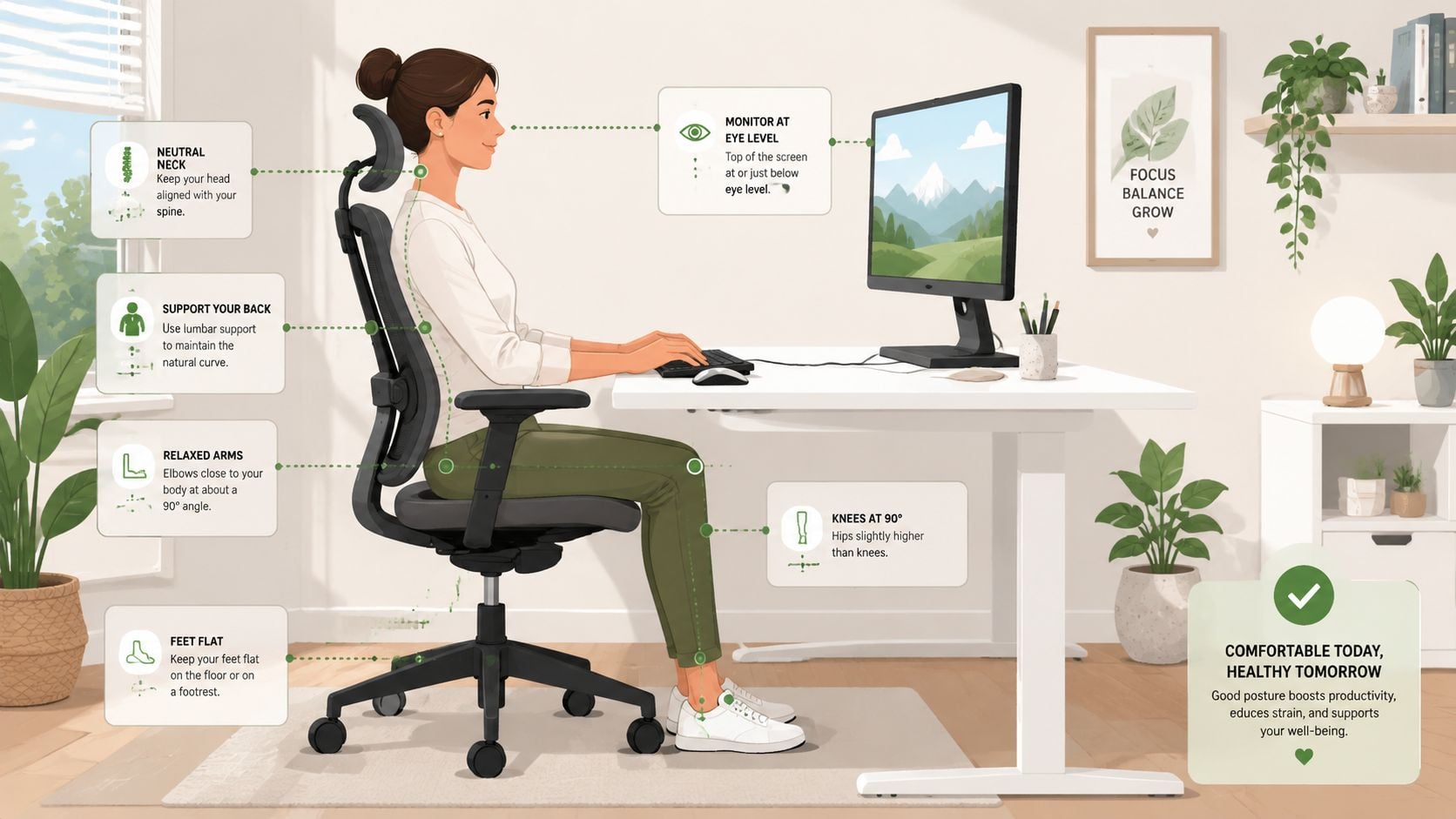
A good setup supports neutral posture. The screen should sit at eye level, the shoulders should stay relaxed, and the elbows should rest close to a right angle while typing. There should also be enough clear space under the desk for easy leg movement.
That's why a desk and chair should be chosen together whenever possible. If the desk height works but the chair doesn't adjust properly, the user ends up compensating. Over time, that usually shows up as neck tension, wrist strain, or lower-back discomfort.
For readers who want a plain-language overview of better posture and healthier office environments, that resource is a useful companion to furniture shopping.
Small setup changes matter every day
A productive workspace usually comes from a few simple choices done well:
- Raise the screen so the neck isn't tipped downward.
- Keep the keyboard position natural so wrists stay straighter.
- Leave open space beside the main work zone for notes, writing, or a cup without crowding the mouse area.
- Choose a supportive chair that fits the user, not just the desk.
A home office should help the body settle into work, not fight it all day.
Anyone building a complete setup can also review these ergonomic home office furniture ideas to think through desk, chair, and storage as one system instead of separate purchases.
Styling Your White Desk for an Upstate NY Home
White desks are flexible, but they can fall flat if the room has no contrast. The goal isn't to make the office look sterile. The goal is to use white as a clean base and then build warmth around it.
That approach works especially well in Upstate homes, where a room may already have strong flooring, painted trim, older windows, or substantial wood furniture nearby.
Using contrast to keep white from feeling flat
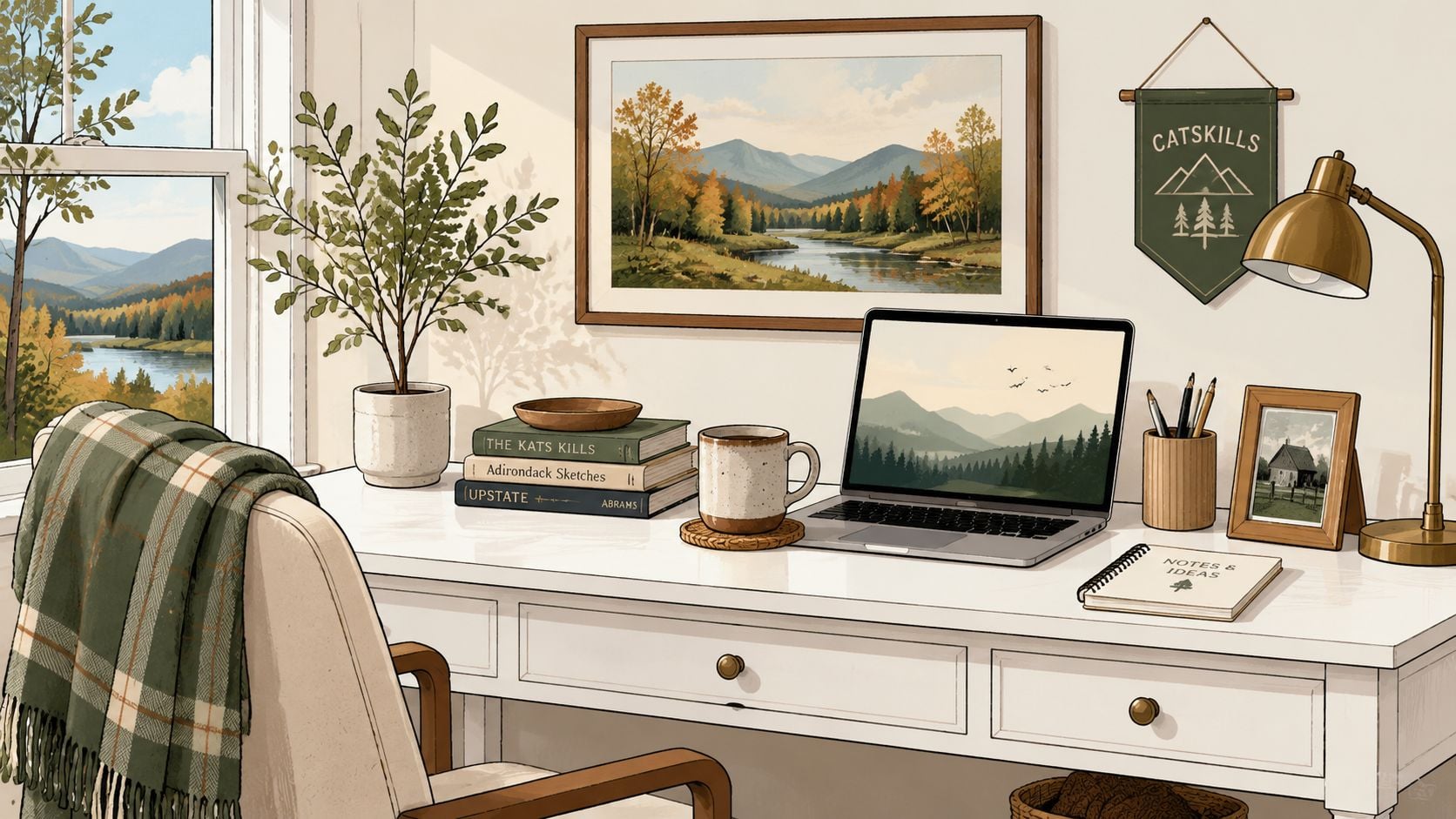
A white desk usually looks better when it's grounded by texture. That could mean a warm wood bookshelf, a woven desk chair, a darker lamp base, or a rug with some depth in color. In homes around Albany and Greene County, that mix often feels more natural than an all-white setup.
A few combinations tend to work well:
- White desk with medium or dark wood for balance and visual warmth
- White desk with black accents for sharper contrast and a cleaner modern look
- White desk with soft greens, clay tones, or muted blues for a calmer room
- White desk with Amish-made wood storage for a blend of crisp and handcrafted
Color choice also affects the mood of the room. For homeowners thinking through wall paint, art, and accents around the desk, Newline Painting's colour advice offers a helpful way to think about how color influences the feel of a workspace.
A white desk can fit traditional or modern homes
Home office desks white options earn their keep. In a historic Albany home, a white desk can freshen a room that already has detailed trim and older architectural lines. In a newer house near the Capital Region suburbs, the same desk can reinforce a cleaner, simpler style.
The styling details make the difference. A sleek white desk with metal accents leans contemporary. A white desk paired with wood bookcases, framed art, and softer fabrics feels more settled and residential.
White works best when the room gives it something to push against.
For more ideas on shelves, accessories, and finishing touches, this guide to home office desk decor can help tie the whole room together.
Your One-Stop Shop for Home Office Furniture Near Albany
Buying a desk sounds simple until the questions show up. Will it fit the wall? Does the finish work with the floor? Will it support the equipment on top of it? Does the chair match the desk height?
Those are the details that turn a quick purchase into a room that works well for years.
What makes the buying process easier
It helps to shop in a way that solves more than one problem at a time. Looking at desks beside office chairs, storage, bedroom furniture, flooring options, and decor usually leads to better decisions than choosing one isolated piece from a screen.
That's where a full-service showroom can remove friction. Tip Top Furniture & Mattresses in Freehold serves shoppers across the Greater Albany Capital Region with home office furniture, custom ordering, design help, clearance options, delivery, and financing support, which makes it easier to coordinate the entire room instead of just buying a desk.
Good home office decisions come from seeing pieces together
A white desk often looks its best when the rest of the room is considered at the same time. That may mean pairing it with bedroom furniture in a guest room office, adding a supportive chair, or choosing storage that keeps the space from looking cluttered.
Practical buyers usually want options, not pressure. They may want to ask about custom finishes, see what's available right away, or find a value piece that fits the budget now.
- Need flexibility on design. Custom ordering can help match the desk to existing furniture.
- Need something sooner. Clearance options may offer immediate solutions.
- Need help with the budget. Financing can make a full room plan easier to manage.
- Need the room to feel finished. Design guidance can connect desk, flooring, storage, and decor.
A thoughtful home office isn't just about where the laptop sits. It's about making the room easier to use, easier to live with, and easier to enjoy through every season in Upstate New York.
For Albany-area shoppers comparing white home office desks, the next step is simple. Browse the collections, ask about custom order options, explore financing, or visit the Freehold showroom to see finishes, scale, and matching pieces in person at Tip Top Furniture & Mattresses.